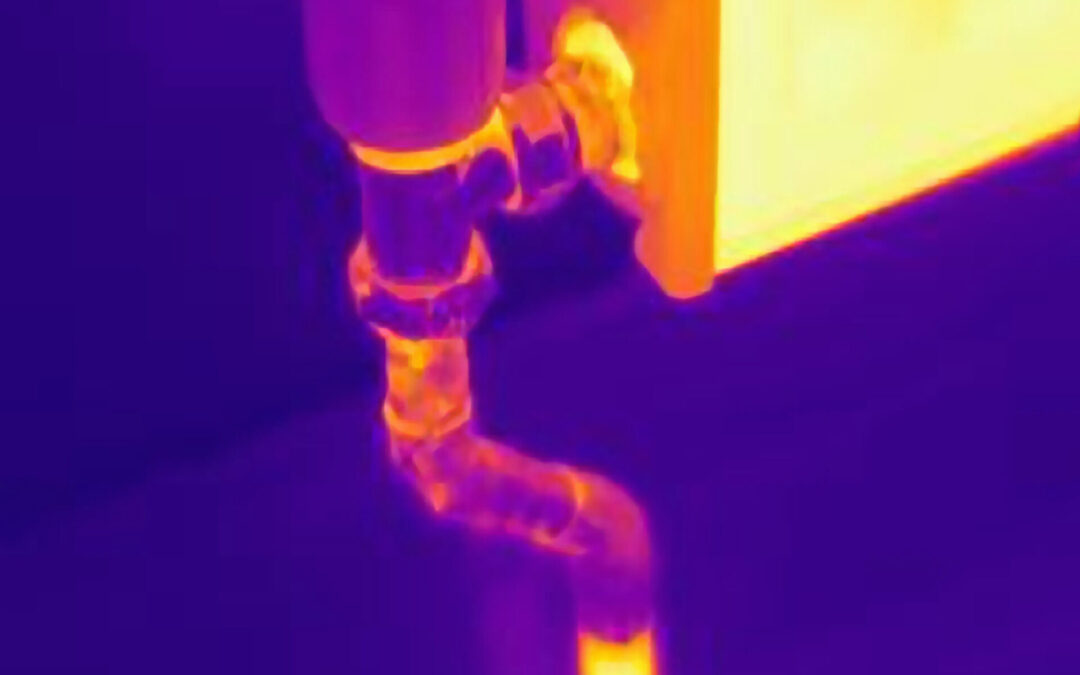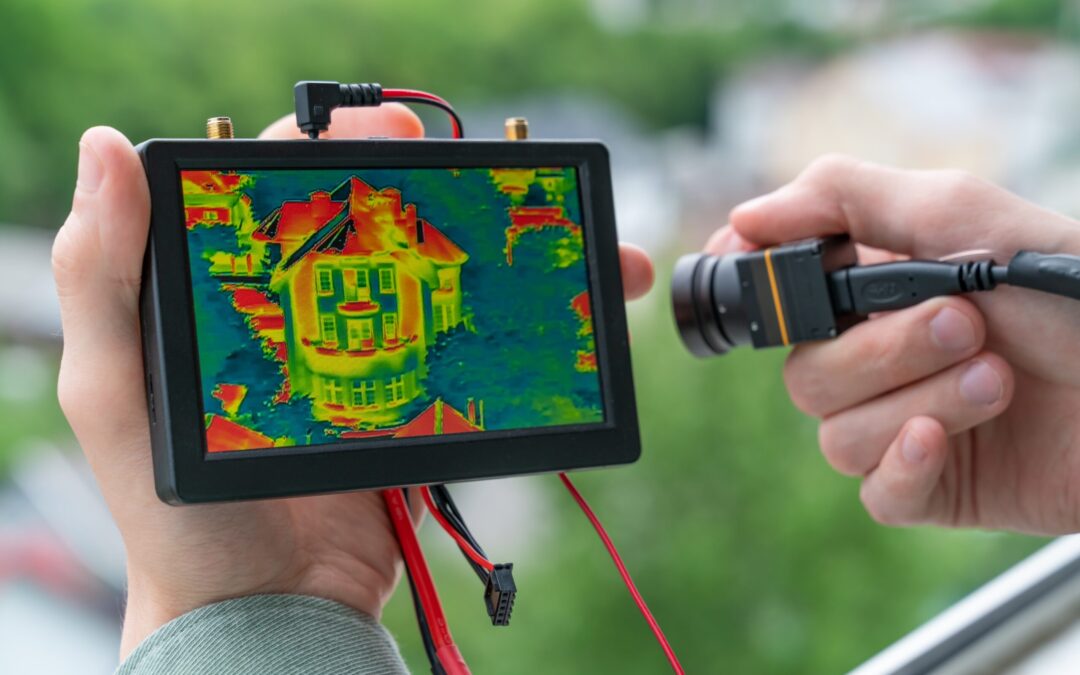
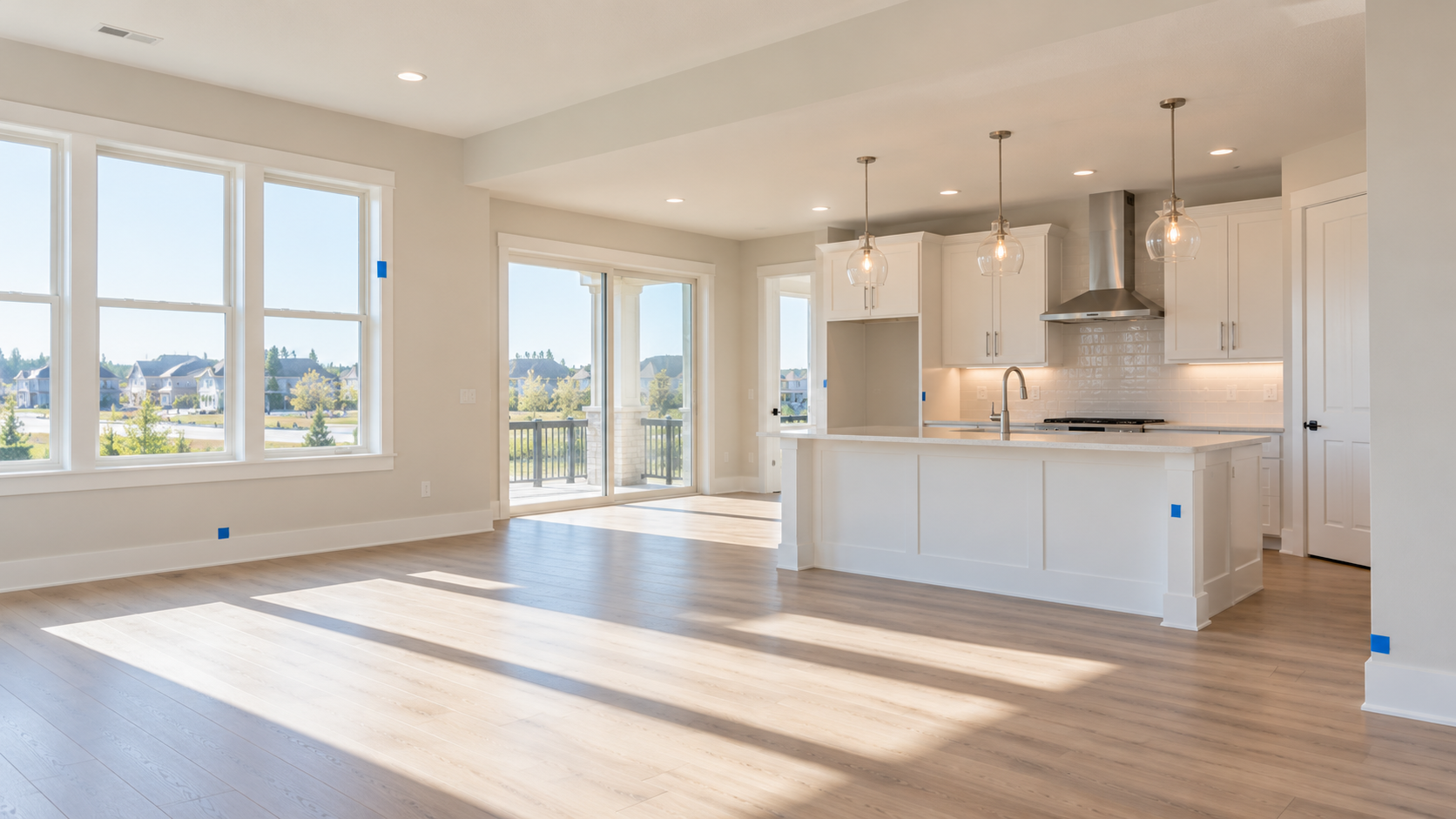
Your “blue tape” walkthrough isn’t just about finding paint chips or scratched floorboards; it’s the final line of defense against structural failures that could cost you thousands. With unsold home inventory at a 19-year high and builder sentiment dropping to 35 this June, the pressure to close quickly is intense. You need to know exactly what to look for in a new construction final walkthrough to ensure your investment is actually sound. Rushed builds and labor shortages have led to a rise in construction defect claims, making your role as an advocate for your own safety more critical than ever.
We understand how overwhelming it feels to stand before a builder representative while trying to decode complex home systems. You’ve worked hard for this property, and you deserve the peace of mind that comes with a meticulous, objective evaluation. This guide promises to transform your anxiety into authority by providing a professional checklist for every corner of your new house. We’ll preview everything from cosmetic fixes to 2026 electrical code compliance under SB 382 and the latest NEC updates, ensuring your home is safe, functional, and ready for your family from day one.
Key Takeaways
- Distinguish between cosmetic “blue tape” fixes and the technical final walkthrough to ensure your home’s structural and mechanical systems are fully operational.
- Learn exactly what to look for in a new construction final walkthrough, from ensuring water moves away from the foundation in heavy clay soils to checking for missing roofing shingles.
- Verify that your home meets 2026 safety standards by testing every electrical outlet and plumbing fixture for functional defects that builders might overlook.
- Identify hidden environmental risks, such as elevated radon levels or sewer line obstructions caused by construction debris, before you sign the final papers.
- Master the punch list process by documenting every issue with precision and photos, giving you the leverage needed to ensure repairs are completed before move-in day.
Understanding the New Construction Final Walkthrough Process
The final walkthrough is your last opportunity to hold the builder accountable to the terms of your contract before you sign the closing papers. It’s a formal inspection where you verify that the house is complete, functional, and safe. In 2026, the construction industry faces a unique set of challenges. Labor shortages and high demand have led to supervisory negligence in some developments, making it vital to know exactly what to look for in a new construction final walkthrough. A brand-new home is rarely a perfect home. Builders often work under tight margins and aggressive timelines, which can lead to rushed finishes or missed technical details.
You’ll typically encounter two distinct phases: the “Blue Tape” session and the final verification. Understanding what to look for in a new construction final walkthrough helps you differentiate between a minor paint scuff and a major plumbing leak. The blue tape walkthrough is largely cosmetic. You’ll use painter’s tape to mark paint drips, scratched cabinets, or uneven trim. However, the final walkthrough is about functional integrity. It’s the moment you ensure the home’s systems actually work. During this process, your real estate agent provides contractual guidance, while a professional inspector offers the technical expertise needed to spot builder grade shortcuts that could lead to future repairs.
The Timeline: When to Schedule Your Walkthrough
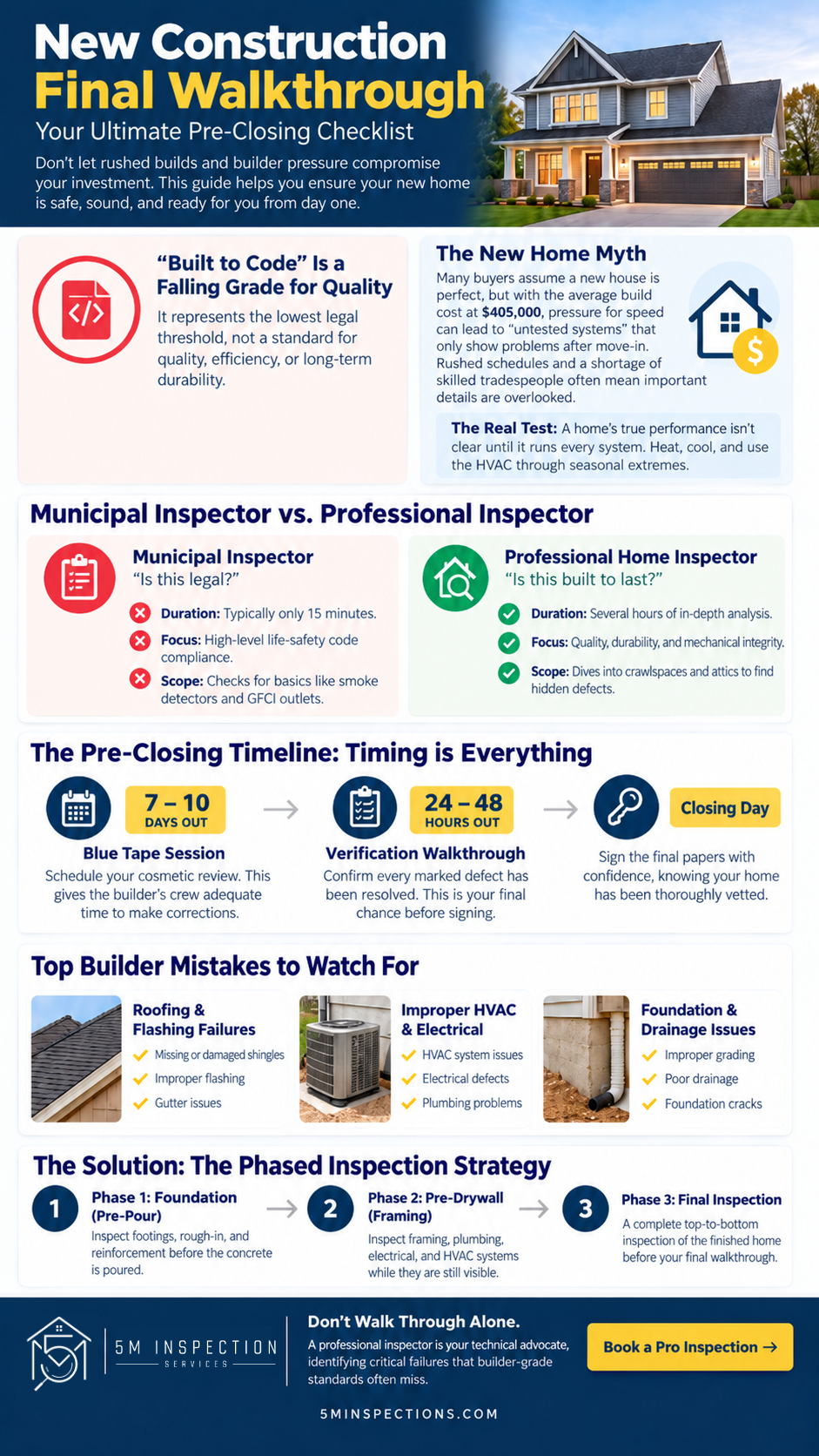
Timing is everything. You should schedule your initial blue tape session approximately 7 to 10 days before your closing date. This window gives the builder’s tradespeople enough time to address the items on your list. You can review the definition of What is a Punch List? to understand how these outstanding tasks are managed before closing. Skipping this step or rushing it 24 hours before closing leaves you with zero leverage. The second visit, or the verification walkthrough, should happen 24 to 48 hours before closing. This is when you confirm that every marked defect was resolved. Even if your builder has a stellar reputation, never skip these visits. Trust is good, but verification is your only legal protection.
Professional Inspection vs. Buyer Walkthrough
While you might notice a chipped tile, a professional home inspection Indianapolis specialist looks for what is hidden behind the aesthetics. We examine the structural and environmental health of the property, including new 2026 code requirements for energy efficiency and electrical safety. A buyer’s walkthrough cannot replace a technical evaluation. Phased inspections, which include pre-drywall and final assessments, provide the most comprehensive protection for your investment. At 5M Inspection Services, we act as your technical advocate. We stand with you to ensure builder pressure doesn’t force you into a home that isn’t ready. We identify the critical failures that builder grade standards might miss, from foundation drainage to system compliance.
Essential Exterior and Structural Checkpoints
The exterior of your new home is its first line of defense against the elements. Knowing what to look for in a new construction final walkthrough starts with the ground your house sits on. In Central Indiana, our heavy clay soils expand and contract significantly. If the builder hasn’t graded the lot properly, water will pool against your foundation, leading to basement leaks or structural shifting within just a few seasons. Look for a positive slope where the ground drops at least six inches within the first ten feet from the foundation wall. Proper drainage is the most effective way to prevent long-term foundation failure.
Roofing and gutters deserve a close look from the ground or a ladder. Check for missing or damaged shingles, which can occur during the final stages of construction or from high wind events. Ensure gutters are clear of construction debris like shingle scraps or nails. Most importantly, verify that downspout extensions are attached and directing water at least five feet away from the home. For the siding and trim, inspect the caulking around windows and doors. Gaps in these seals allow moisture to penetrate the building envelope, which eventually leads to wood rot or hidden mold growth. If you’re unsure about the slope of your yard or the state of your roof, a professional New Construction Inspection provides the technical clarity you need.
Foundation and Grading in Central Indiana
Indiana’s soil requires specific attention during the final stages of a build. Look for signs of improper soil compaction around the perimeter. If the dirt is sinking significantly near the foundation, it’s a sign that the backfill wasn’t settled properly. This often leads to cracked walkways or sinking porches within the first year. Check your window wells to ensure they are securely fastened and contain proper drainage stone. Understanding the difference between cosmetic hairline cracks in concrete and structural concerns is vital. Hairline cracks are common as concrete cures; however, any gap wider than a quarter inch or showing signs of vertical displacement needs immediate documentation on your punch list.
The Exterior Envelope
Your home’s envelope includes more than just walls. Test every exterior outlet to ensure the GFCI protection works. This is a critical safety feature, especially with 2026 electrical code updates regarding moisture-prone areas. Check the hose bibs by turning them on and off; they should be firmly mounted to the siding and shouldn’t leak from the handle. If your home has a brick veneer, inspect the weep holes at the bottom of the wall. These small gaps are intentional and allow moisture behind the brick to escape. If a landscaper or painter has clogged them, it can cause trapped moisture and wall damage. Maintaining Radon Safety in New Homes also begins at the foundation level, so ensure any passive mitigation pipes are unobstructed and properly capped. Identifying these details now ensures your home remains safe and efficient for years to come.
Room-by-Room Interior Checklist: Beyond the Blue Tape
Knowing what to look for in a new construction final walkthrough involves a shift from aesthetic observation to active testing. You should move through the interior with a “systems-first” mindset. Bring a simple outlet tester and a high-lumen flashlight. Test every single receptacle in the house. In the breaker panel, look for “double tapped” breakers, which occur when two wires are connected to a single-pole breaker designed for one. This is a technical violation of the 2026 National Electrical Code (NEC) and a fire hazard that builders sometimes overlook in the rush to close. It’s these hidden details that determine the long-term safety of your family.
HVAC performance is another area where “builder grade” shortcuts can hide. Don’t just feel for a breeze. Measure the temperature delta between the return air and the supply vents to ensure the system is cooling or heating efficiently. With the 2026 energy code updates, proper airflow is more critical than ever for moisture control and comfort. Finally, operate every window and door. They should latch securely without excessive force. Check that the weatherstripping is intact and creates a visible, airtight seal to keep your utility bills low from day one. If a door rubs against the frame now, it will likely stick or fail to latch as the home goes through its initial settling phase.
Functional Testing in the Kitchen
The kitchen is the most mechanically dense room in your home. It’s where cosmetic beauty often masks functional flaws. Run the dishwasher through a full cycle. This is the only way to identify high-pressure leaks under the sink or behind the unit that won’t show up during a quick five-minute rinse. Test the garbage disposal for unusual vibration or grinding sounds. Verify that the range vent actually exhausts to the exterior. Many installers mistakenly leave these as recirculating units, which can lead to grease buildup and poor air quality. While you’re in the kitchen, check for “soft spots” in the flooring or cabinet installs that suggest the subfloor wasn’t properly leveled before the finish was applied.
Plumbing and Mechanical Verification
In the bathrooms, flush every toilet three times. This ensures the wax ring is sealed and there are no slow leaks at the base. Check under every vanity with a flashlight while the water is running to spot drips at the P-trap or supply lines. For the mechanical systems, inspect the water heater for proper venting and temperature settings. For our Indianapolis neighbors, the sump pump is a non-negotiable safety feature. Pour a bucket of water into the pit to trigger the float switch. You need to know it’s operational before you move your valuables into the basement. These technical checks provide the certainty you need to close with confidence.
Identifying Hidden Risks: Radon, Sewer, and Environmental Safety
Many buyers assume a brand-new home is a blank slate of environmental safety. This is a dangerous assumption. Knowing what to look for in a new construction final walkthrough requires looking beneath the slab and inside the pipes where cosmetic “blue tape” fixes can’t reach. Modern homes are built with extreme airtightness to meet 2026 energy efficiency standards. While this is excellent for your utility bills, it creates a “vacuum effect” that can pull radioactive radon gas from the soil and trap it inside your living space. A tightly sealed home without proper mitigation is often a higher radon risk than an older, draftier house.
Sewer line health is another critical “invisible” checkpoint. “New” does not mean “clean.” During the frantic final weeks of construction, it is common for tradespeople to wash grout, drywall mud, or even construction debris down drains. This heavy material settles in the main line, creating “bellies” or complete obstructions before you even move in. Additionally, heavy delivery trucks driving over the front yard can crush plastic sewer laterals that haven’t fully settled. Identifying these structural failures now is vital because once you close, the builder may claim any future backups were caused by your own occupancy.
Why Radon Testing is Non-Negotiable in Carmel and Westfield
Central Indiana is a known high-radon zone. Many new builds in our community include a “passive” radon system, which is essentially just a PVC pipe running from the slab to the roof. Without a fan, this system relies entirely on natural air pressure, which is often insufficient. Professional radon testing Carmel Indiana identifies risks that a standard walkthrough ignores. We use calibrated continuous monitors to provide a precise 48-hour average of the air your family will breathe. If levels are high, you can demand the builder install an active fan system before you sign the final papers.
Sewer Scope Inspections for New Builds
A specialized sewer inspection is significantly cheaper than a main line replacement six months after move-in. We use high-resolution fiber-optic cameras to navigate the entire line from the house to the municipal main. We frequently find crushed pipes, offset joints, and construction debris like lumber scraps or soda cans lodged in the line. Verifying the integrity of this connection ensures you aren’t inheriting a five-figure repair bill. If you want to ensure your home is truly safe from day one, schedule your specialized environmental testing with our team today. We provide the technical evidence you need to hold your builder accountable for the systems you cannot see.
Mold is another emerging concern in new construction. If the framing was exposed to heavy rain before the roof was installed, or if the “envelope” was sealed while the lumber was still wet, mold can grow behind your brand-new drywall. We look for elevated moisture readings in baseboards and around window seals. Catching these environmental hazards before the builder’s one-year warranty expires is your best protection against future health and financial risks.
Mastering the Punch List and Closing with Confidence
Closing on your new home is a major milestone, but the final paperwork shouldn’t be signed until every critical system is verified. Knowing what to look for in a new construction final walkthrough culminates in the creation of a professional punch list. This document is your legal leverage. Don’t just point at a scratch; take a high-resolution photo, assign it a specific room number, and describe the exact defect. If a builder representative tells you something is “within tolerance,” ask for the specific industry standard or manufacturer guideline that supports that claim. Technical evidence is your best tool for negotiation.
The Certificate of Occupancy (CO) is often misunderstood by buyers. While it confirms the home meets minimum local safety codes for habitation, it is not a guarantee of quality or contractual completion. It simply means the building department says you can legally move in. Your standards should be higher than the bare minimum. Plan for an 11th-month warranty inspection as well. Homes settle significantly during their first year. New cracks or system failures often appear only after the HVAC has run through a full summer and winter cycle. This follow-up ensures you catch issues before the builder’s initial coverage expires.
Creating an Actionable Punch List
Safety and functional issues must take priority over cosmetic flaws. A leaking faucet or a non-functional GFCI outlet is a non-negotiable fix that should happen before you take the keys. Set a firm deadline for these repairs. Never rely on verbal promises from a site supervisor who says they will send someone over next week. If it isn’t in writing and signed by both parties, it doesn’t exist. Categorize your list clearly. This helps the builder coordinate the specific trades that need to return to the site before your move-in date.
Final Steps Before You Sign
Before the final signature, confirm all utilities are transferred and functioning in your name. Check that you have the full “homeowner’s packet.” This should include manuals for appliances, HVAC systems, and all manufacturer warranty documents. Thinking with a pre-listing inspection Indianapolis mindset even now helps you maintain your property’s future resale value. By documenting the home’s baseline condition today, you protect your investment for tomorrow. You’ve mastered what to look for in a new construction final walkthrough, and now you can walk into your new home with total confidence.
Secure Your Future in Your New Build
You’ve moved beyond the surface level of paint chips and floor scuffs to understand the technical heart of your property. By prioritizing structural drainage, functional HVAC performance, and environmental safety, you’ve gained the clarity needed to hold your builder to the highest standards. Mastering what to look for in a new construction final walkthrough ensures that your first night in your new home is defined by celebration rather than unexpected repairs. You are now equipped to navigate the closing table with the authority of an informed homeowner.
As a family-owned and operated team in Central Indiana, we take your family’s safety personally. We provide meticulous, detail-oriented reporting through specialized services like sewer scope inspections and radon testing to catch what builder grade standards often miss. Protect your investment with a professional new construction inspection from 5M Inspection Services. We’re here to act as your watchful partner, ensuring your investment is safe and functional from the moment you turn the key. Welcome home to a house you can truly trust.
Frequently Asked Questions
What is the difference between a blue tape walkthrough and a final walkthrough?
A blue tape walkthrough is your primary opportunity to identify cosmetic imperfections like paint drips, scratched cabinets, or uneven trim. The final walkthrough takes place 24 to 48 hours before closing. Its main purpose is to verify that the builder completed every item on your punch list and that the home’s mechanical systems remain in working order. Both sessions are essential for full contractual accountability.
Can I bring a professional home inspector to my new construction walkthrough?
You absolutely can and should bring a professional inspector to act as your technical advocate. While you focus on the aesthetics of your new space, an inspector knows what to look for in a new construction final walkthrough regarding structural integrity and 2026 code compliance. This partnership ensures that “builder grade” shortcuts don’t become your financial burden after the keys are handed over.
What happens if the builder refuses to fix something on my punch list?
If a builder refuses a repair, you must refer to your purchase agreement to determine if the defect falls “within tolerance” or violates a performance standard. You may have the leverage to delay closing or request that the title company hold repair funds in escrow. Having a professional inspection report provides the objective evidence you need to stand your ground against a stubborn site supervisor.
Is radon testing necessary for a brand-new home in Indiana?
Radon testing is non-negotiable in Indiana because our state is a high-risk zone for this radioactive gas. Modern homes are built with tight seals for energy efficiency, which can inadvertently trap radon at dangerous levels. Even if your builder installed a passive mitigation system, you need a professional test to ensure the air quality is safe for your family before move-in.
How long does a typical new construction final walkthrough take?
A thorough walkthrough usually takes between two and four hours for a standard single-family home. This timeline allows you to test every appliance cycle, run all faucets, and inspect every electrical outlet without feeling rushed. You should never allow a builder representative to pressure you into a faster session, as this is your last chance to document issues before closing.
What should I bring with me to the walkthrough session?
You should bring a roll of blue painter’s tape, a high-lumen flashlight, an outlet tester, and a copy of your original contract. Use your smartphone to take clear, timestamped photos of every defect you identify. These tools allow you to provide the specific documentation required for an actionable punch list that the builder’s tradespeople can follow with precision.
Should I do a sewer scope on a house that has never been lived in?
A sewer scope is essential for new builds because construction debris often clogs main lines before the home is even finished. We frequently find grout, drywall mud, and even lumber scraps inside brand-new pipes. Additionally, heavy machinery driving over the lot can crush plastic laterals. Identifying these “invisible” failures now prevents a catastrophic and expensive backup during your first month of occupancy.
What are the most common “red flags” in new construction homes?
The most significant red flags include negative grading that directs water toward the foundation and “double tapped” breakers in the electrical panel. These issues suggest a lack of oversight during the build process. Knowing what to look for in a new construction final walkthrough helps you spot these technical failures early, ensuring your home is structurally sound and compliant with 2026 safety standards.