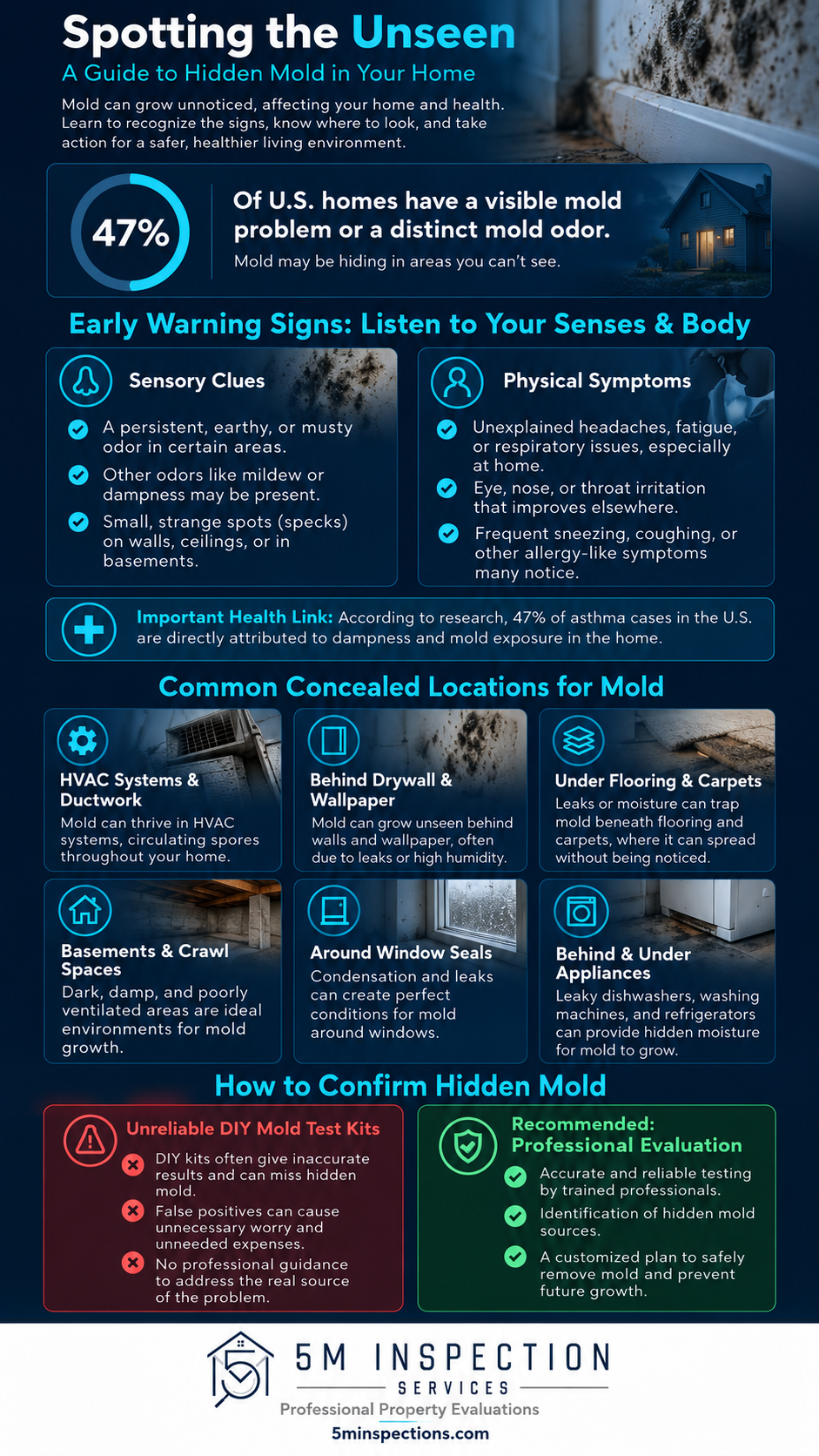
Did you know that approximately 47% of homes in the U.S. have visible mold or a mold odor? It’s a startling figure, especially when you realize that many of the most persistent infestations stay tucked away behind drywall or under floorboards. If you’re smelling a damp, earthy scent that won’t go away, you’re likely dealing with signs of mold in house you can’t see. It’s stressful to feel like your own home might be compromising your family’s health, but you don’t have to start tearing down walls just to find answers.
We understand the worry that comes with persistent respiratory issues or the fear of structural damage you can’t quite prove yet. Our goal is to provide you with the technical clarity you need to protect your property value and your peace of mind. In this article, you’ll learn to identify the subtle sensory and structural red flags that reveal hidden hazards. We’ll walk through how to confirm mold presence and locate the specific source of musty odors, ensuring your home remains the safe haven it’s meant to be.
Key Takeaways
- Recognize how persistent, earthy odors and unexplained health symptoms serve as your body’s early warning system for hidden hazards.
- Pinpoint the most common concealed locations for growth, including HVAC supply ducts and failing window seals.
- Trace the history of “ghost leaks” and past water intrusion to identify the invisible moisture source fueling the problem.
- Learn the technical signs of mold in house you can’t see and why professional mold sampling outperforms unreliable DIY petri dish kits.
- Gain the clarity needed to protect your property value and family health through objective, third-party diagnostic strategies.
The Sensory and Physical Red Flags: When Your Body Knows Before You Do
Your home should be a sanctuary. When you start feeling unwell without a clear cause, your environment might be the culprit. Hidden mold isn’t silent; it communicates through subtle biological and sensory cues. Recognizing these signs of mold in house you can’t see early can prevent long-term structural issues and protect your family’s health. We believe in providing you with the technical clarity needed to make informed decisions about your property.
Identifying the “Musty” Scent Profile
That damp, earthy smell isn’t just a quirk of an older property. It’s often the byproduct of microbial volatile organic compounds (mVOCs) released during the mold’s growth cycle. Unlike the stale air of a closed-up room, these scents are pungent and persistent. In Central Indiana, our high summer humidity levels act as a catalyst, amplifying these odors and making them more noticeable to the average homeowner. If the scent intensifies when your HVAC system kicks on, the mold might be colonizing your ductwork or air handler. These scents often remain trapped inside wall cavities or beneath floorboards, only escaping through small gaps, baseboards, or electrical outlets. We recommend paying close attention to these “pockets” of odor that don’t dissipate with standard cleaning.
Unexplained Health and Respiratory Symptoms
Physical symptoms often provide the most reliable evidence of Indoor mold before you ever spot a fuzzy patch on the wall. Pay attention to how your body reacts when you spend time in specific rooms. If you experience chronic headaches, fatigue, or sinus pressure that clears up when you go to work or run errands, you’re likely dealing with a localized environmental trigger. This pattern is a hallmark of “sick building syndrome,” where the building’s interior environment impacts the health of its occupants.
According to research, 21% of asthma cases in the U.S. are directly attributable to dampness and mold exposure. This risk is even higher for the most vulnerable members of your household. Children and pets often show signs first because their respiratory systems are more sensitive or they spend more time closer to the floor where spores settle. Watch for these specific red flags:
- Sudden, unexplained onset of allergies in previously healthy adults.
- Persistent “colds” or sinus infections that never seem to fully resolve.
- Skin irritation or itchy eyes that occur only while at home.
- A noticeable uptick in inhaler use for family members with existing asthma.
- Physical reactions, such as sneezing fits, that occur specifically in one room or area of the home.
Identifying these signs of mold in house you can’t see requires a meticulous eye and an objective perspective. If your body is reacting to your living space, it is time to investigate what is happening behind the scenes.
Common Concealed Locations Where Mold Hides in Indiana Homes
Indiana’s climate, characterized by humid summers and significant seasonal precipitation, creates a perfect environment for fungal growth. While you might expect to see patches in a damp bathroom, the most persistent threats are often tucked away in the structural “blind spots” of your property. Identifying the signs of mold in house you can’t see involves looking deeper into the areas where moisture naturally accumulates but rarely evaporates.
The Hidden Dangers in HVAC Systems and Ductwork
Your ventilation system is the lungs of your home. Unfortunately, it is also a primary highway for mold spores. Mold loves the condensation that collects inside HVAC supply and return ducts, especially during our muggy Indiana Julys. If your unit emits a stale, locker-room odor when it kicks on, you might be dealing with “dirty sock syndrome.” This occurs when mold and bacteria colonize the AC evaporator coils. Every time your system cycles, it distributes these microscopic spores into every room. Regular filter checks are helpful for maintaining air quality, but they often fail to reveal biological growth deep within the mechanical components. For more information on maintaining a healthy home environment, the EPA guide to mold provides excellent foundational advice on moisture control.
Crawl Spaces and Basements: The Silent Breeding Grounds
Many homes in Central Indiana, from Westfield to Carmel, are built over crawl spaces or basements that contend with a high water table. If these areas lack a proper vapor barrier or have inadequate drainage, they become silent breeding grounds. Through a process known as the “stack effect,” air from these lower levels is naturally pulled upward into your living areas. This means that even if you never step foot in your crawl space, you are breathing the air it produces. We recommend checking floor joists and insulation for subtle white or gray discoloration. Mold also frequently hides behind wallpaper or drywall near windows with failing seals, where slow-motion condensation provides a constant water source. Similarly, carpeting laid directly over slab foundations can trap moisture against the concrete, rotting the padding from the bottom up. If you’re noticing a persistent musty scent in these areas, a professional mold sampling can provide the objective evidence you need to take the next step toward a healthier home.
Investigating the Root Cause: Moisture History and “Ghost” Leaks
Mold doesn’t appear without an invitation. It requires a consistent source of moisture to thrive, and often, that source is buried deep within your home’s infrastructure. To identify the signs of mold in house you can’t see, you must become a detective of your property’s history. We’ve seen many cases where a “repaired” leak from years ago was never properly dried, leaving a damp environment inside the wall cavity that fuels a slow-growing colony.
One of the most elusive culprits is the “ghost leak.” These are slow, rhythmic drips from a pinhole in a copper pipe or a loose fitting behind a shower wall. Because the water never reaches the floor, you won’t see a puddle. Instead, the moisture is absorbed by the studs and the backside of the drywall. Over time, this creates a localized pocket of high humidity. You should also look upward. Poor attic ventilation often leads to moisture buildup on the underside of the roof sheathing. When warm, moist air from your living space hits the cold roof in winter, it condenses. This cycle is a leading cause of hidden fungal growth in Indiana homes.
Past Water Damage and Incomplete Remediation
If you’ve experienced a plumbing failure or a basement flood, the clock starts immediately. Mold can take hold in as little as 24 to 48 hours after a moisture event. Many homeowners assume that because a wall feels “dry to the touch,” the danger has passed. This is a common misconception. Moisture often remains trapped in the insulation or the baseplates of the wall long after the surface has dried. Look for warped baseboards, bubbling paint, or a slight “give” when you press on the drywall. These are physical indicators of structural dampness. According to the CDC guide on mold, controlling moisture is the single most important step in preventing fungal growth and protecting your indoor air quality.
Condensation and High Indoor Humidity
Indiana’s humid summers can push indoor moisture levels into the danger zone. We recommend using a hygrometer to track the relative humidity in your home. If levels consistently stay above 60%, you are inviting hidden growth. High humidity causes pipes and windows to “sweat,” and that condensation often drips into unventilated spaces where it can’t evaporate.
- Monitor basement corners where airflow is restricted.
- Check the back of closets shared with exterior walls.
- Investigate “cold spots” on walls where insulation might be missing.
Tracking these moisture trends helps you find the signs of mold in house you can’t see before they become a costly remediation project. Understanding the relationship between your home’s temperature and its humidity is the best way to maintain a healthy, stable environment for your family.
Diagnostic Strategies: How to Confirm Mold You Can’t See
Moving from suspicion to certainty requires more than a flashlight and a keen sense of smell. If you’ve identified the signs of mold in house you can’t see, your next step is a diagnostic evaluation that provides objective data. We believe in using modern methodology to protect your property. This process isn’t just about finding mold; it is about differentiating between the natural presence of spores and an active, harmful colony that requires professional intervention.
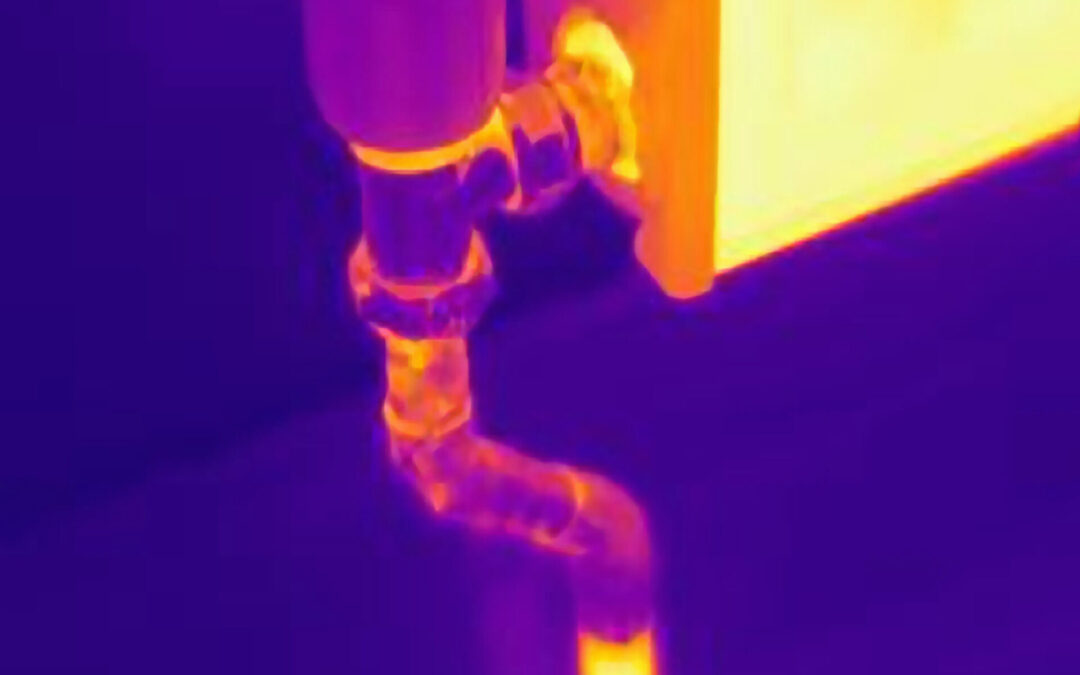
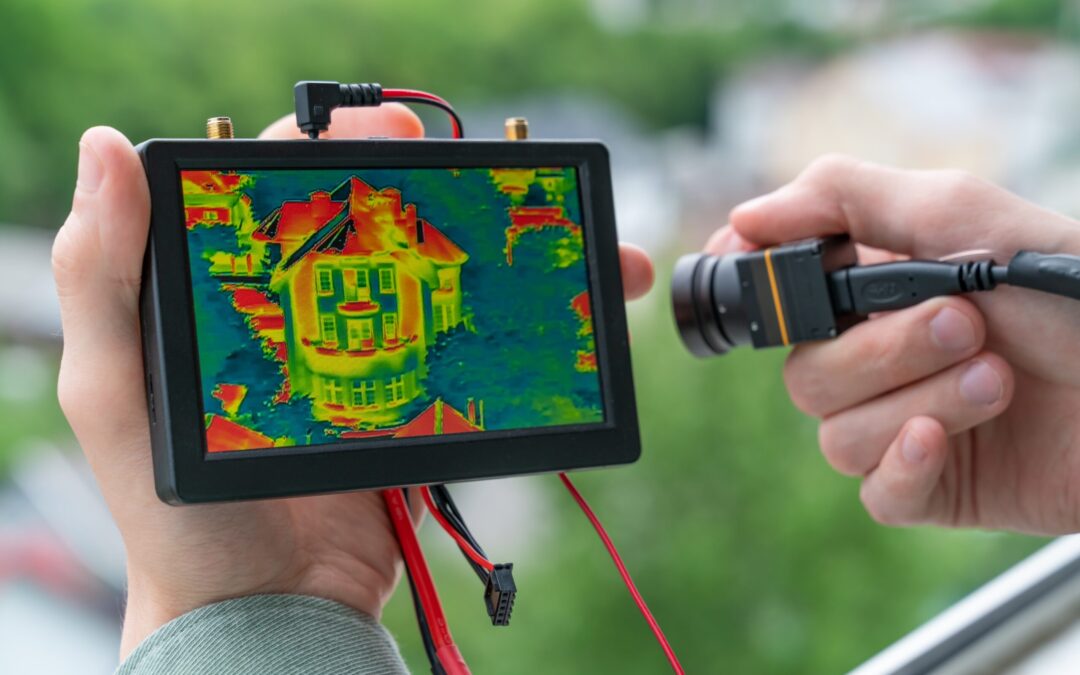
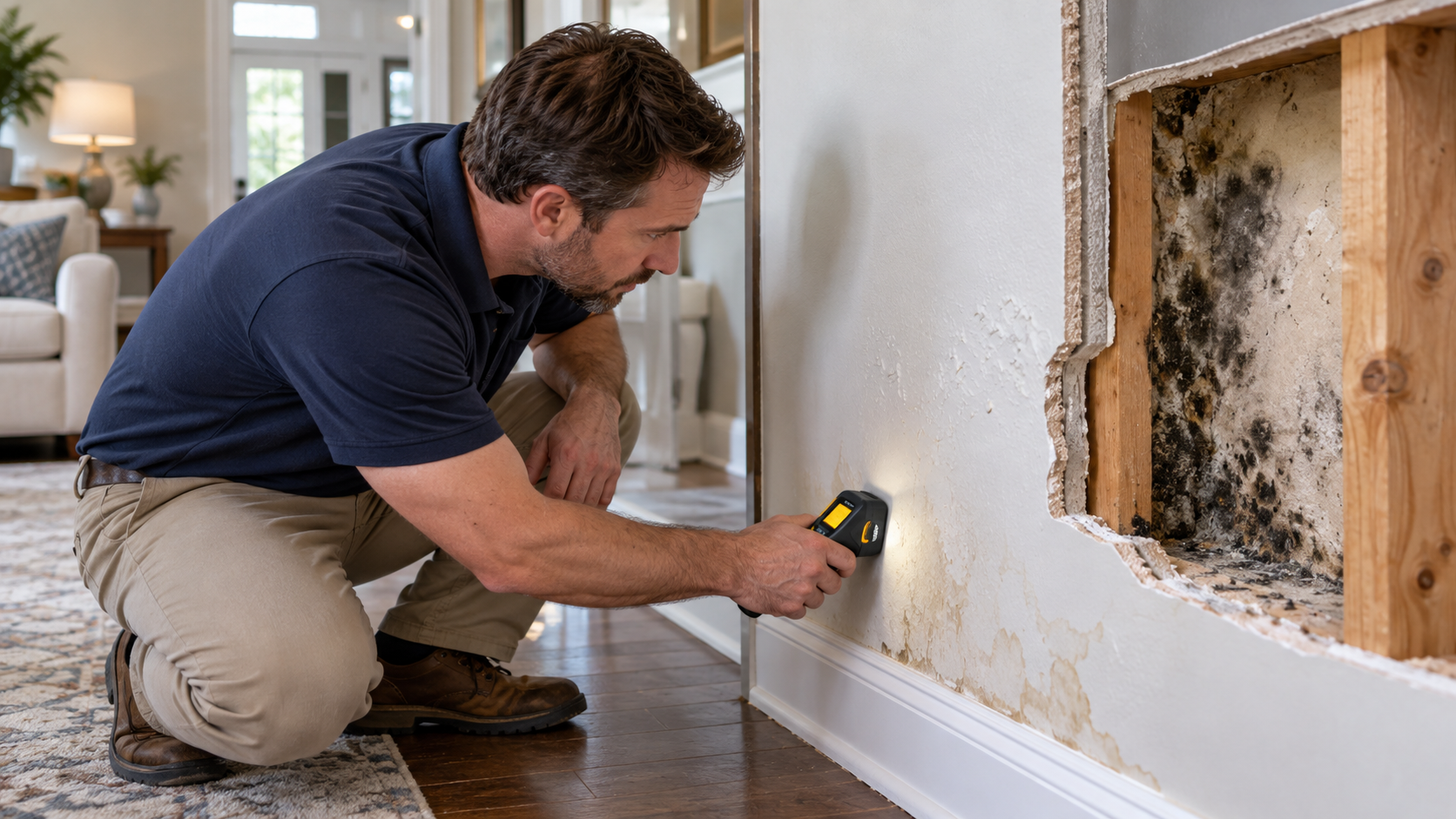
Professional inspectors use a combination of high-level technical tools to “see” inside your walls without causing damage. Thermal imaging cameras are essential for this. These devices detect temperature differentials that often indicate hidden moisture or failing insulation. When combined with moisture meters that quantify the dampness of structural materials, we can pinpoint exactly where a “ghost leak” or condensation point is located. This precision saves you from the cost and mess of unnecessary demolition.
The Limitations of DIY Mold Test Kits
It’s tempting to pick up a cheap petri dish kit from a big-box store, but these consumer-grade products are often misleading. Mold spores are a natural part of the outdoor environment. Because these kits simply sit in a room and collect whatever falls into them, they almost always produce a positive result. They lack the context of a lab-certified analysis and cannot tell the difference between dead spores and a living, growing infestation. Furthermore, environmental factors like recent vacuuming or an open window can heavily skew the results. Without a professional to interpret the data, these kits often cause unnecessary panic or a false sense of security.
Professional Mold Sampling and Air Quality Testing
A rigorous assessment involves more than just a visual check. During a mold sampling Indianapolis session, we collect air and surface samples to determine the exact concentration of spores in your living environment. The most critical part of this process is comparing indoor air samples to an outdoor baseline sample. If the indoor concentration of a specific mold type is significantly higher than the outdoor air, it confirms an active internal source. These professional reports are invaluable for real estate negotiations, providing the unbiased evidence needed to request repairs or file insurance claims. If you’re ready to move beyond guesswork and secure your home’s future, you can book a comprehensive mold sampling session with our team today.
Protecting Your Home: Professional Evaluation and Next Steps
Identifying the signs of mold in house you can’t see is a critical first step, but it is only the beginning of the journey toward a healthy home. Once you suspect a hidden hazard, you need a partner who can provide a rigorous, unbiased assessment of the situation. We understand that property concerns are deeply personal and stressful. Our role is to replace that anxiety with technical certainty and a clear path forward.
A standard home inspection is a vital tool, but it is primarily a visual assessment of a property’s accessible systems. It may not detect microscopic spores or growth hidden deep within structural cavities unless specialized testing is performed. This is where professional mold sampling becomes essential. We utilize advanced methodology to confirm the presence of active colonies, ensuring that no “ghost leak” or moisture pocket goes unnoticed. Our process is designed to be thorough and objective, providing you with a detailed report that serves as a roadmap for your next steps.
One of the most significant advantages of working with 5M Inspection Services is our commitment to unbiased reporting. We do not offer remediation or repair services. This means we have no financial interest in finding a problem where one does not exist. Our only priority is your family’s safety and the integrity of your property. If you suspect hidden growth, your immediate steps should include identifying the moisture source and reducing indoor humidity while you wait for a professional diagnostic session.
Why a Comprehensive Home Inspection Includes Environmental Safety
For those currently in the process of purchasing a property, integrating mold sampling with a buyer’s home inspection is a smart investment. It allows us to identify structural vulnerabilities, such as poor attic ventilation or failing crawl space vapor barriers, before they lead to expensive mold issues. As a family-owned business, we take the responsibility of property safety seriously. We look at your future home with the same meticulous eye we would use for our own, ensuring every environmental risk is accounted for before you sign the closing papers.
Scheduling Your Mold Assessment in Central Indiana
We are proud to serve our neighbors across Central Indiana. Our service area extends from the growing communities of Westfield and Carmel to the heart of Indianapolis. We maintain constant digital accessibility to ensure we are responsive to your needs, especially when health or property value is on the line. The 5M promise is simple: we provide objective, professional, and thorough reporting that respects your time and your investment. Don’t let hidden hazards compromise your peace of mind. Schedule your professional mold sampling today and take control of your home’s environmental health.
Secure Your Home’s Future and Family Health
Your home is your most significant investment. Protecting it requires a proactive approach to environmental safety. By recognizing how persistent odors and unexplained health symptoms serve as early warning signs, you can address moisture issues before they lead to structural decay. Detecting the signs of mold in house you can’t see requires a blend of sensory awareness and modern technology. Professional tools like thermal imaging and air sampling provide the objective data you need to make informed decisions without unnecessary demolition.
At 5M Inspection Services, we provide specialized environmental diagnostic services to homeowners in Indianapolis, Westfield, Carmel, and Fishers since 2019. We treat your property with the meticulous care it deserves, offering unbiased reporting that prioritizes your family’s well-being. Protect your family with professional mold sampling from 5M Inspection Services today. You deserve to feel certain that your home is a safe and healthy haven for years to come.
Frequently Asked Questions
Can mold grow behind drywall without any visible stains?
Yes, mold frequently colonizes the paper backing of drywall or the insulation inside wall cavities without leaving a mark on the front surface. These infestations are often fueled by “ghost leaks” or condensation from uninsulated pipes. By the time you see a physical stain on your wall, the internal colony is usually quite large. This is why identifying the signs of mold in house you can’t see through sensory and health cues is so important.
How long does it take for hidden mold to make you sick?
Physical reactions can occur in as little as a few hours for sensitive individuals, but chronic symptoms often develop over several weeks of exposure. Every person reacts differently based on their immune system and the concentration of spores in the air. We often see children and pets show respiratory signs first because their systems are more vulnerable. If you feel better when you leave the house, your environment is likely the trigger.
Is a musty smell always a sign of mold?
A persistent, earthy, or musty odor is almost always an indicator of active microbial growth or significant dampness. These scents are caused by microbial volatile organic compounds (mVOCs) released as mold grows and spreads. While a temporary smell might come from a wet towel, a lingering “old house” scent that intensifies with your HVAC system is a major red flag. It suggests that mold is thriving in a location you can’t easily see.
What is the most dangerous type of hidden mold?
While Stachybotrys chartarum, often called black mold, is the most infamous, any mold that produces mycotoxins can be hazardous to your health. The danger level depends more on the concentration of spores and the length of exposure than the specific species. High levels of common molds like Aspergillus or Penicillium can be just as problematic for residents with asthma or allergies. Professional sampling is the only way to identify exactly what you’re breathing.
Will a standard home inspection find mold behind walls?
A standard home inspection is a non-invasive, visual assessment of the property’s accessible areas and typically won’t find mold hidden behind walls. Inspectors look for visible signs of moisture, but they don’t have the specialized equipment required to detect hidden spore concentrations. To find what’s buried deep in the structure, you need specific environmental testing that includes air quality sampling and thermal imaging to locate hidden moisture pockets.
How much does professional mold sampling cost in Indianapolis?
The cost for professional sampling in Central Indiana varies based on the size of the property and the number of air or surface samples required. Because every home has a unique layout and moisture history, we provide tailored assessments to ensure you get an accurate diagnosis without paying for unnecessary tests. We recommend contacting an objective, third-party inspector who doesn’t have a conflict of interest in selling you expensive remediation services.
Can I kill hidden mold by just spraying bleach on the wall?
Bleach is ineffective for killing mold on porous surfaces like drywall or wood because it can’t reach the roots, or hyphae, inside the material. In fact, the water content in bleach can actually feed the mold remaining inside the wall, causing it to return even stronger. To properly address the issue, you must identify and fix the moisture source and then remove the contaminated materials rather than just treating the surface.
Does homeowners insurance cover hidden mold removal?
Coverage usually depends on the root cause of the moisture. If the mold resulted from a sudden, accidental event like a burst pipe, many policies will cover the remediation. However, mold caused by long-term humidity, lack of maintenance, or gradual seepage is often excluded. In Indiana, rental properties are covered under the “implied warranty of habitability,” which requires landlords to address conditions that make a home unsafe, including significant mold issues.