
Would you sign a thirty year mortgage based on a thirty minute walkthrough of a house that looks perfect on the surface? In the fast-paced Central Indiana market, the pressure to waive contingencies is fading, but the stress of the unknown remains. You are likely wondering exactly what does a home inspection cover and what might it miss. It’s natural to worry about hidden defects or expensive structural failures that could turn your dream home into a financial burden. You deserve to know the ground truth about a property before you commit.
This 2026 guide clarifies the inspection process to ensure your investment is sound and your family is protected. We will outline the rigorous technical standards our experts follow when evaluating a home’s vital systems, from the integrity of the foundation to the safety of the electrical panel. You will gain the knowledge to navigate the short inspection window with professional confidence. We also identify which specialized add-on services, such as sewer scopes or radon testing, are essential for your specific property. By the end, you’ll have the clarity needed to negotiate repairs and the certainty that your new home is a safe, reliable sanctuary.
Key Takeaways
- Understand exactly what does a home inspection cover, focusing on the non-invasive evaluation of your property’s structural and mechanical health.
- Learn to distinguish between minor cosmetic issues and serious material defects in core systems like HVAC, plumbing, and electrical panels.
- Identify common exclusions in standard reports and discover when specialized testing for radon, mold, or sewer lines is necessary for your protection.
- Discover how to navigate your final report to prioritize safety hazards and major defects during the repair negotiation process.
- Build the confidence to make an informed investment decision within your short contingency window using professional, technical insights.
The Scope of a Professional Home Inspection: A Technical Overview
A professional home inspection is a technical diagnostic of a home’s current condition. It is a non-invasive, visual evaluation of the property’s physical structure and mechanical systems. We don’t dismantle the furnace or drill holes in the foundation. Instead, we use our eyes, ears, and specialized tools to assess performance. Understanding exactly what does a home inspection cover helps you set realistic expectations for the process. We act as your objective, third-party technical advisors, providing the ground truth about the property’s health.
To get a broad perspective on What is a home inspection?, one must look at the standards of practice that govern the industry. We differentiate between cosmetic issues and material defects. A material defect is a specific condition that significantly impacts the property’s value or poses an unreasonable risk to its occupants. Scuffed baseboards or outdated paint colors are cosmetic. A cracked heat exchanger or a failing foundation wall is a material defect. Our focus remains on the major systems that keep the home standing, dry, and safe.
We evaluate performance rather than code compliance. Local building codes change frequently. A house built in 1995 won’t meet every 2026 building standard, but that doesn’t automatically make it a “money pit.” We look for systems that are currently failing, unsafe, or near the end of their service life. Our goal is to provide a clear picture of how the home is functioning today so you can invest with total confidence.
The Exterior and Site Evaluation
Water is the primary enemy of any Central Indiana home. We look closely at grading and drainage to ensure water moves away from the foundation. If the ground slopes toward the house, basement dampness is inevitable. We examine wall coverings, trim, and flashing for signs of rot, damage, or improper installation. External structures like decks, porches, and attached garages are also evaluated. We check for proper anchoring and structural integrity to ensure these spaces are safe for your family.
The Interior Structural Envelope
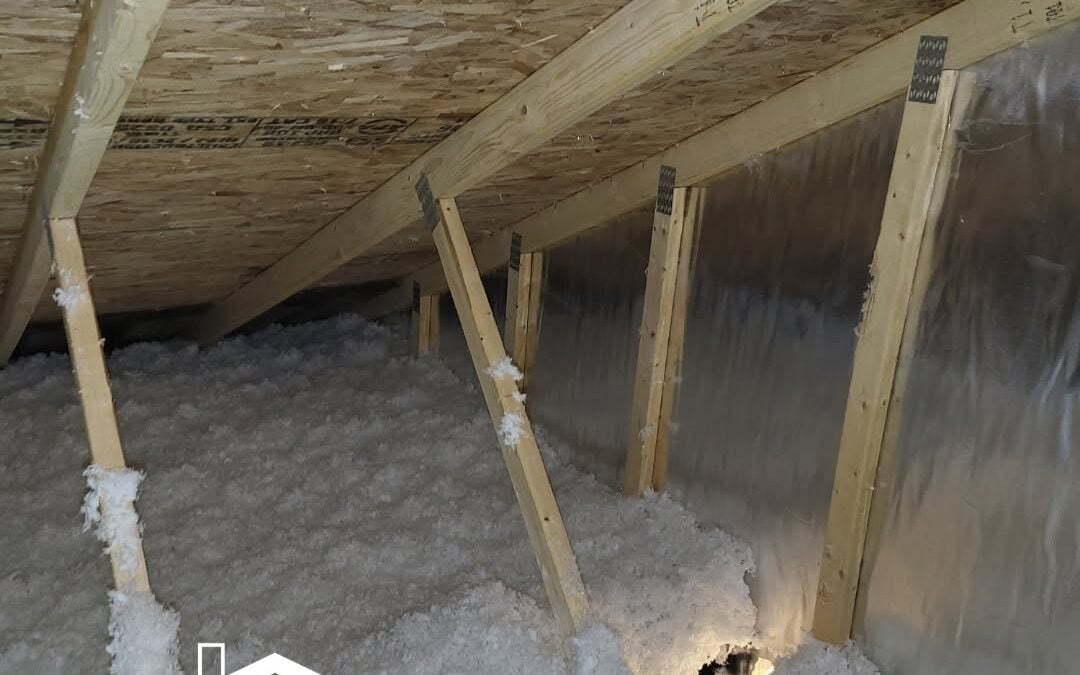
Inside the home, we look for signs of structural movement. Cracks in the ceilings, uneven floors, or sticking doors often tell a story about the foundation’s health. We test every accessible window and door for functional operation and check for safety glazing in high-risk areas. Attic ventilation is another high priority. Without proper airflow, heat and moisture can build up, leading to mold growth or premature roof failure. We verify that insulation levels are sufficient to protect your comfort and your wallet.
Evaluating the Core Systems: Electrical, Plumbing, and HVAC
The mechanical systems are the internal organs of your potential home. While the structural envelope keeps the elements out, these core systems make the property livable. When clients ask what does a home inspection cover, they are often most concerned about these high-cost components. We perform a technical evaluation of each system using normal operating controls to ensure they are safe, functional, and reliable. Our goal is to identify immediate hazards and systems nearing the end of their service life.
A standard home inspector’s report provides a technical snapshot of these vital networks. We don’t just look at the surface; we test for performance. This objective data allows you to move forward with a clear understanding of the home’s operational health. If you are preparing to buy, our Buyer’s Home Inspection provides the comprehensive oversight you need to avoid expensive mechanical surprises.
Electrical Safety Standards
Electrical assessments begin at the service entrance and move to the main panels and subpanels. We look for hazardous conditions such as double tapped breakers or outdated wiring types like Knob and Tube and aluminum branch circuit wiring. These issues pose significant fire risks. We also verify that grounded outlets are present in high-moisture areas like kitchens and bathrooms. Finally, we assess the overall service capacity. Modern households have high power demands, and an undersized panel can lead to frequent trips and safety concerns.
Plumbing and Water Management
We test fixtures and drains throughout the home to identify leaks or low water pressure. Our inspectors perform a visual check of all visible supply and waste lines for signs of corrosion or past repairs. The water heater is evaluated for its age, proper venting, and the presence of a temperature-pressure relief valve. In Central Indiana, the sump pump is a critical component. We test its operation to ensure it’s ready to protect your basement from heavy rains. A failing pump is a simple fix that prevents a catastrophic flood.
Heating and Cooling Performance
We operate the furnace and air conditioner using the thermostat to verify basic function. This includes checking for steady airflow and inspecting the ductwork for significant leaks or disconnections. Weather permitting, we test the cooling system to ensure it’s reaching the necessary temperature drop. We also check the air filter and the general cleanliness of the unit. A neglected HVAC system is often a sign of broader maintenance issues within the home. We help you understand if the system is ready for the next season or if it requires professional service.
Safety Features and Detectors
Life safety is our primary concern. We test every accessible GFCI outlet to ensure the ground fault protection is working correctly. We also check for the presence and operation of smoke and carbon monoxide detectors. These small devices are your first line of defense. If they are missing or expired, we document it as a high-priority safety item in your final report.
Roof and Foundation: The Protective Shell of the Home
The roof and foundation act as the primary defense against the elements. These systems are often the most expensive to repair, making them a focal point for any buyer. When determining what does a home inspection cover, you should expect a meticulous evaluation of this protective shell. We examine the roof from the eaves or via high-resolution photography to identify missing shingles, flashing failures, and significant granular loss. These indicators tell us if the home is truly watertight or if a costly replacement is on the horizon.
Water management is equally vital. We verify that gutters and downspouts are clear and diverting water at least six feet away from the structure. Clogged gutters lead to overflowing water that pools against the foundation, which is the leading cause of basement moisture in our region. In basements and crawlspaces, we look for evidence of past or present intrusion, such as efflorescence on walls or wood rot in the floor joists. We want to ensure the home’s skeleton is dry and sound.
Roof Life Expectancy and Drainage
The Indianapolis climate is notoriously hard on roofing materials. Frequent freeze-thaw cycles and heavy spring storms accelerate wear. We pay close attention to the condition of chimneys and skylight flashings, as these are common points of failure. An inspector estimates the roof’s age by analyzing wear patterns, shingle brittleness, and the amount of protective granules remaining in the gutter system. Our goal is to give you a realistic timeline for future maintenance.
Structural Integrity and Indiana Soil
Central Indiana is known for its heavy clay soil, which creates unique challenges for foundation health. This soil expands significantly when saturated and contracts during dry spells, putting immense hydrostatic pressure on basement walls. We look for “red flag” cracks, such as horizontal fractures or stair-step patterns in exterior brick, which indicate structural distress rather than simple settling. In crawlspaces, we verify the presence of proper support piers and check that joists haven’t been improperly notched for plumbing. This detailed oversight ensures your home’s bones are strong enough to last another generation.
Critical Exclusions: What a Standard Inspection Does Not Cover
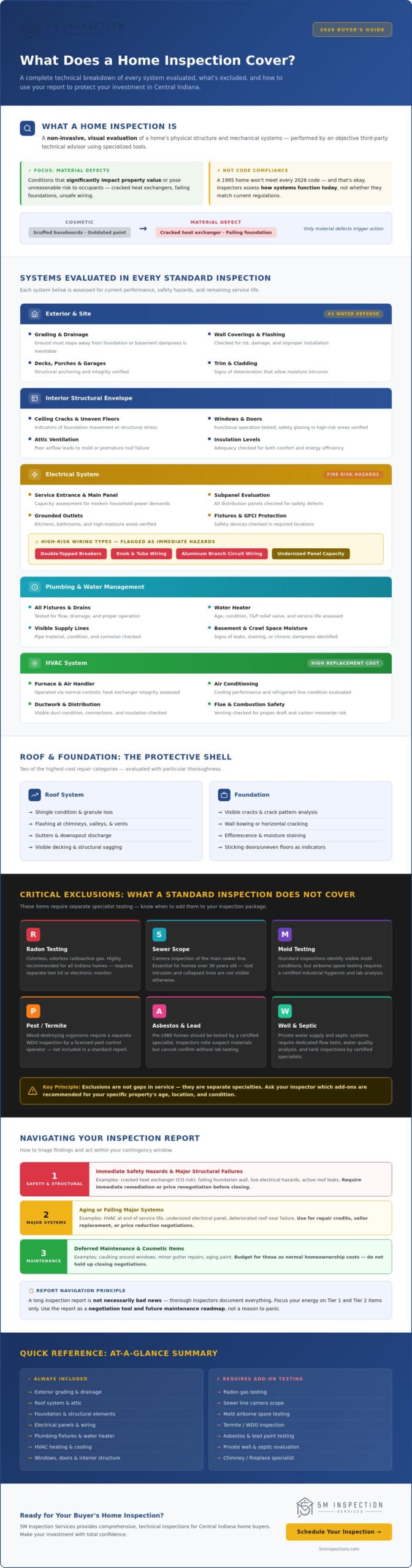
A standard residential assessment provides an incredible amount of data, but it is not an all-encompassing safety net. When you ask what does a home inspection cover, you must also understand where the inspector’s liability ends. Our evaluation is strictly non-invasive and visual. We are prohibited from moving a seller’s heavy furniture, pulling back wall-to-wall carpeting, or cutting into drywall to inspect hidden framing. If a defect is concealed behind a stored stack of boxes in a garage, it remains outside the scope of a standard report. We also exclude specialty systems like swimming pools, hot tubs, and landscape irrigation, which require specialized mechanical contractors for a full diagnostic.
Standard inspections stop at the exterior walls of the house. We don’t evaluate underground infrastructure or invisible environmental threats without additional specialized equipment. These hidden liabilities often carry the highest repair costs. To ensure your family’s safety and your financial security, we recommend augmenting your base report with targeted testing. You can schedule specialized environmental testing alongside your standard inspection to close these high-risk gaps.
Environmental Hazards (Radon and Mold)
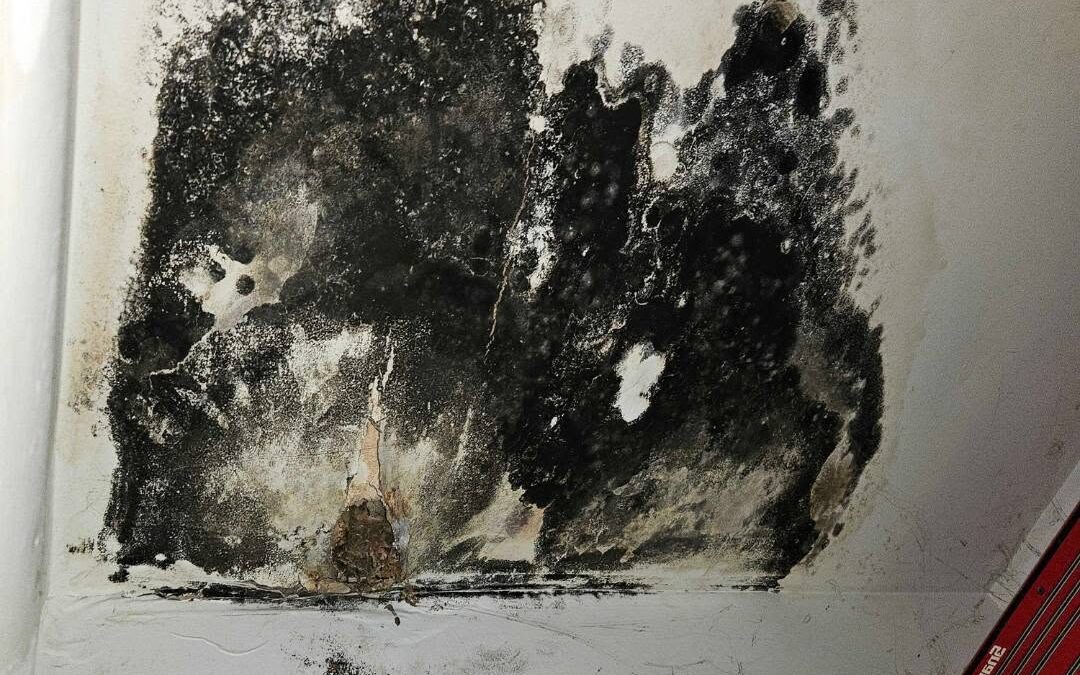
Invisible threats require laboratory-grade equipment to detect. Because of the regional geology in our area, radon testing in Carmel is an essential precaution for every homebuyer. Radon is an odorless, colorless gas that can seep through foundation cracks and accumulate to dangerous levels. Similarly, a visual check for mold is only the first step. Professional mold sampling identifies specific spore counts and species that impact indoor air quality. Poor air quality can lead to significant respiratory health risks, making these “add-on” tests a vital part of your due diligence.
Underground Infrastructure (Sewer Scopes)
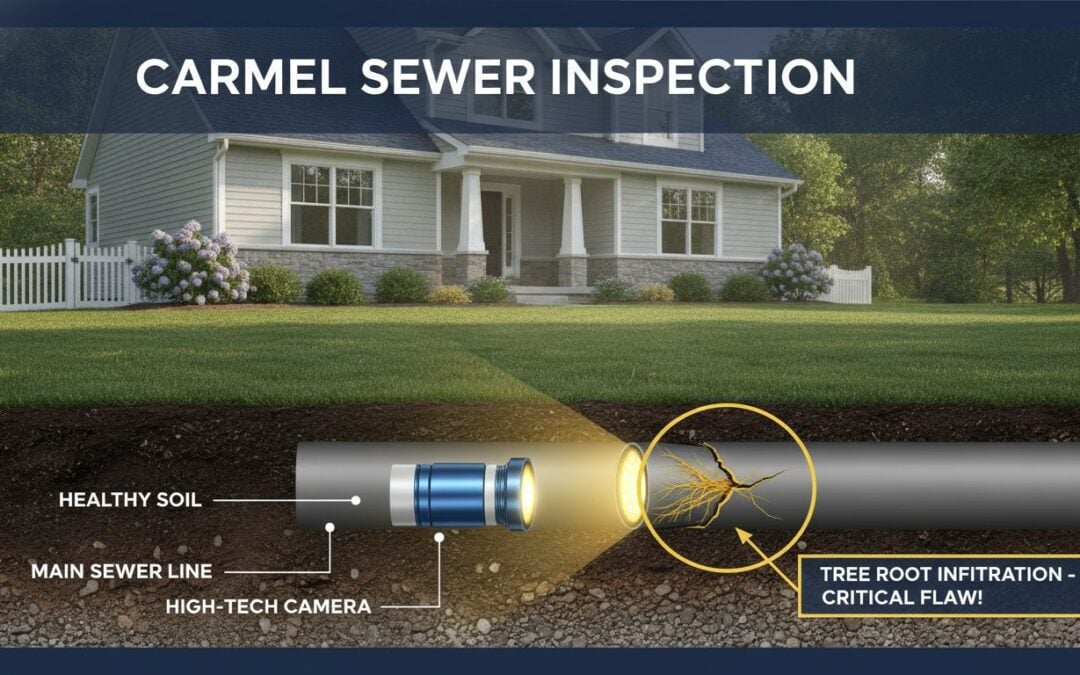
The main waste line is one of the most expensive systems to replace, yet it’s entirely invisible during a standard walkthrough. A sewer inspection uses a high-resolution camera to navigate the pipe all the way to the municipal tap. Standard inspections only verify that drains flow; they do not assess the structural condition or internal integrity of the pipe itself. A camera scope is the only definitive way to find root intrusion, offset joints, or collapsed lines. Spending a small amount on a scope today can save you tens of thousands of dollars in excavation costs tomorrow.
Navigating Your Inspection Report: From Findings to Closing
Receiving your final report is the moment of truth in your property transaction. It’s often a lengthy document, but it shouldn’t be a source of stress. Understanding what does a home inspection cover allows you to filter the data effectively. We structure our reports with a clear summary page for immediate action and a full technical section for your long-term records. The summary highlights critical safety hazards and material defects that require your attention before closing. The technical report provides the objective evidence your lender or attorney might need to verify the property’s condition.
We categorize findings into three distinct tiers to help you prioritize. This organized approach ensures you don’t get lost in the technical details while trying to make a major life decision. These categories include:
- Safety Hazards: Immediate risks such as gas leaks, exposed wiring, or high radon levels that require urgent repair.
- Major Defects: Significant system failures, such as a leaking roof or a cracked heat exchanger, that impact the home’s value and function.
- Maintenance Items: Smaller, non-critical issues like aging water heaters or worn weatherstripping that you should budget for in the future.
If the report identifies a specialized concern, your next step is to call a licensed professional. While we diagnose the problem, an electrician, plumber, or structural engineer provides the specific repair estimate. This objective handoff ensures you have the exact cost data needed for your final walkthrough.
Prioritizing Repairs and Negotiations
Focus your energy on the “deal breakers.” Foundation failures or active plumbing leaks are significant liabilities that often require seller intervention. It’s also important to remember that no house is perfect. Even our assessments for new construction often reveal minor installation errors or missing attic insulation. Use the report as a professional tool to request specific repairs or financial credits from the seller. This isn’t about nitpicking; it’s about ensuring your investment is sound and your family is protected.
The 5M Inspection Commitment
Our family-owned business treats your potential home as if we were moving in ourselves. We provide meticulous home inspections in Indianapolis and the surrounding communities. Local expertise in Westfield, Carmel, and Fishers matters because we understand the specific regional risks, from clay soil expansion to local building trends. We remain highly responsive throughout the process. If you have questions about a finding, we’re available to walk you through the technical details. Our goal is to provide the certainty you need to meet tight closing deadlines with complete peace of mind.
Invest with Confidence and Professional Certainty
Now that you understand what does a home inspection cover, you can navigate your property purchase with a clear technical advantage. You know that a standard evaluation is a powerful diagnostic tool for your home’s vital systems, but you also recognize the importance of regional protections like radon testing and sewer scopes. These specialized additions transform a standard report into a comprehensive safety net for your family and your finances. Knowledge is your best leverage during the final stages of a real estate transaction.
At 5M, we take the responsibility of your property safety seriously. We are family-owned and operated by lead inspector Mike Muehlhausen, providing a level of localized care and accountability that national entities can’t match. We offer specialized sewer scope and radon testing to address the specific geological risks found in Central Indiana. Our detailed, easy-to-read digital reports are delivered quickly, ensuring you have the actionable data needed to meet tight closing deadlines. Don’t leave your investment to chance.
Schedule your meticulous Central Indiana home inspection with 5M today. We look forward to being your watchful, protective partner as you move into your new home.
Frequently Asked Questions
Does a home inspection include checking for mold?
A standard inspection includes a visual assessment for suspected mold growth, particularly in areas with moisture intrusion. However, we don’t perform laboratory analysis as part of the base service. If we identify high humidity or staining, we recommend our specialized mold sampling to identify specific spore counts. This technical testing is the only way to verify indoor air quality and protect your family’s health.
Will the inspector check the appliances?
We test major built-in appliances to ensure they are functional at the time of the walkthrough. This includes operating the oven, dishwasher, garbage disposal, and built-in microwave using their normal controls. We don’t evaluate secondary features or portable units. Our goal is to verify that the primary kitchen and laundry equipment included in the sale is performing as expected.
Do home inspectors check the sewer line?
Standard protocols only verify that water flows through the drains without immediate backup. They do not assess the structural integrity of the underground main line. To find root intrusion, blockages, or collapsed sections, you should schedule a sewer scope inspection. This camera-based diagnostic is essential for older Central Indiana properties where clay or cast iron pipes are common.
How long does a typical home inspection take?
A typical professional evaluation takes approximately two to four hours. The exact duration depends on the square footage, the age of the home, and the number of mechanical systems present. We prioritize thoroughness over speed. Our inspectors spend the necessary time to document every material defect and safety hazard with precision, ensuring no detail is overlooked before we deliver your report.
What happens if the home inspection reveals major issues?
Major findings provide you with the leverage needed to negotiate your contract. You might request that the seller repairs the defect, ask for a closing cost credit, or decide to terminate the purchase if the issues are too severe. The report acts as your objective technical advisor. It provides the ground truth you need to protect your investment during the short contingency window.
Can a home fail an inspection?
Inspections are not “pass/fail” exams. They are objective snapshots of a property’s condition on a specific day. Every home has issues, including new construction. The purpose of the report is to provide a clear understanding of what does a home inspection cover and what the current state of the home is. You decide if the findings are manageable or if they represent an unacceptable risk.
Is radon testing included in a standard home inspection?
Radon testing is an add-on service because it requires a 48-hour continuous monitor to gather accurate data. It is not included in the visual walkthrough. Because our regional geology often leads to high levels of this odorless gas, we strongly suggest adding this test to your appointment. It is the only way to ensure your new home’s air is safe for your children.
Should I be present during the home inspection?
We strongly recommend that you join us for the final hour of the walkthrough. This allows our lead inspector to show you exactly where the main shut-offs are located and explain the significance of any findings. Seeing the systems in person helps you understand the technical scope of the report. It builds the confidence you need to move forward with your property transaction.