
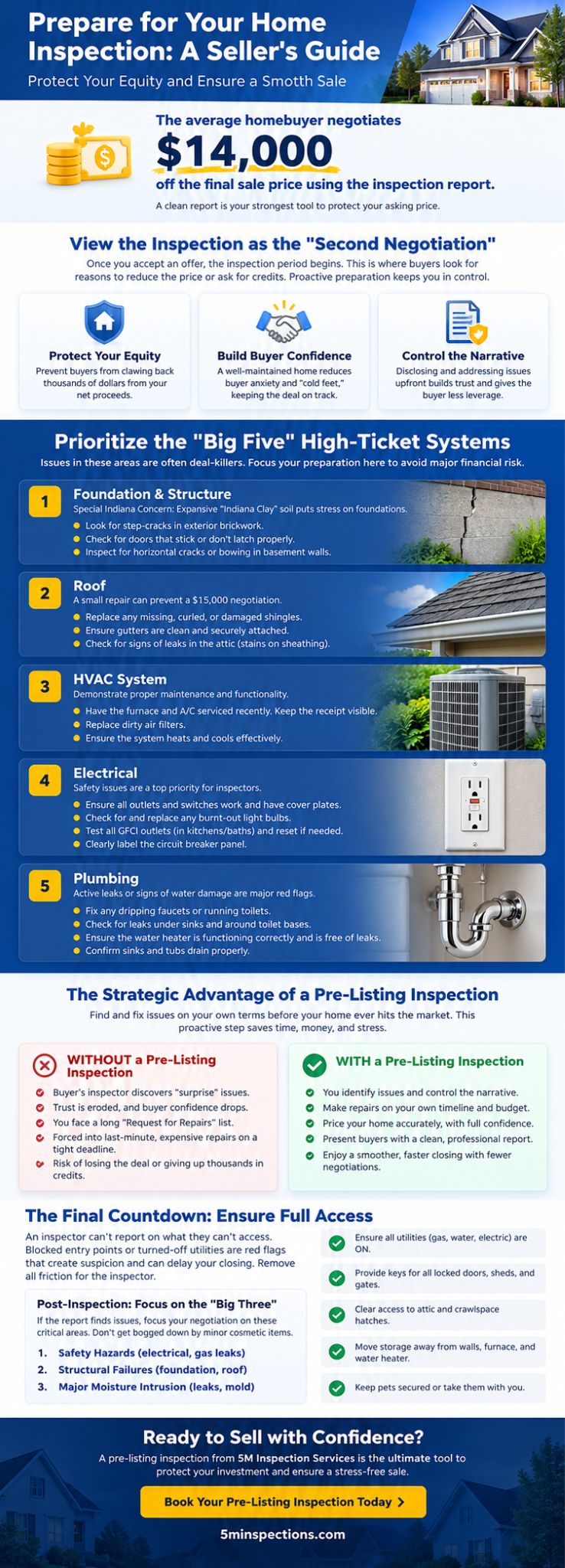
Did you know the average homebuyer uses their inspection report to negotiate $14,000 off the final sale price? It’s a staggering figure that highlights exactly how much is at stake when the inspector rings your doorbell. We understand that selling your home is a high-stakes journey, and it’s normal to feel anxious about hidden structural flaws or a buyer backing out over a long list of minor repairs. You want a smooth transaction, not a series of expensive surprises that threaten your hard-earned equity.
Learning how to prepare for a home inspection seller is the most effective way to protect your investment and keep your closing on track. This guide provides a professional roadmap to help you streamline your sale, maintain your asking price, and approach the process with total certainty. We will break down the “Big Five” regional concerns, explain how 2026 Indiana legislation like HB1005 affects your inspection options, and provide a clear checklist to ensure your property stands up to the most meticulous scrutiny from the attic to the crawlspace.
Key Takeaways
- Treat the inspection as a second negotiation where a clean report protects your equity and prevents buyers from clawing back the sale price.
- Prioritize the “Big Five” high-ticket systems, paying close attention to foundation integrity in Indiana’s unique clay soil.
- Learn how to prepare for a home inspection seller by utilizing a pre-listing inspection to identify and resolve issues before your home hits the market.
- Streamline the inspector’s visit by ensuring full access to all utilities and structural entry points, removing friction that can lead to buyer cold feet.
- Focus your post-inspection response on the “Big Three” critical areas: safety hazards, structural failures, and major moisture intrusion.
The Seller’s Mindset: Why Inspection Preparation is a Negotiation Tool
Many sellers believe the hard work ends once they sign a purchase agreement. In reality, the inspection phase is a “second negotiation” where your equity is often at its highest risk. If you are wondering what is a home inspection? it is essentially a non-invasive, visual examination of a property’s physical structure and systems. For a buyer, this report is a tool used to claw back money or request credits that can significantly lower your net proceeds. Learning how to prepare for a home inspection seller is about more than just cleaning; it’s about protecting your financial interests and ensuring the deal you signed stays intact.
A “clean” report does more than just list facts. It builds immediate buyer confidence and reduces the likelihood of “cold feet” during the contingency period. When an inspector finds dozens of minor, unaddressed issues, it suggests a pattern of neglect. Conversely, a well-prepared home signals that you’ve been a meticulous steward of the property. To succeed, you must distinguish between “Deal Killers” and “Maintenance Items.” You should focus your energy on the Deal Killers: structural failures, safety hazards, or major system defects. Don’t waste valuable time or stress on minor cosmetic scuffs that don’t impact the home’s integrity.
Understanding the Buyer’s Perspective
In 2026, buyers are more sensitive to property defects than ever. With interest rates remaining a significant factor in monthly mortgage payments, most families have very little cash left over for immediate repairs after closing. When a first-time buyer receives a 40-page inspection report filled with red ink, the psychological impact is overwhelming. They don’t see a list of small fixes; they see a house that might be a “money pit.” Professional preparation proves the home has been loved and maintained, which calms these anxieties and keeps the closing on schedule.
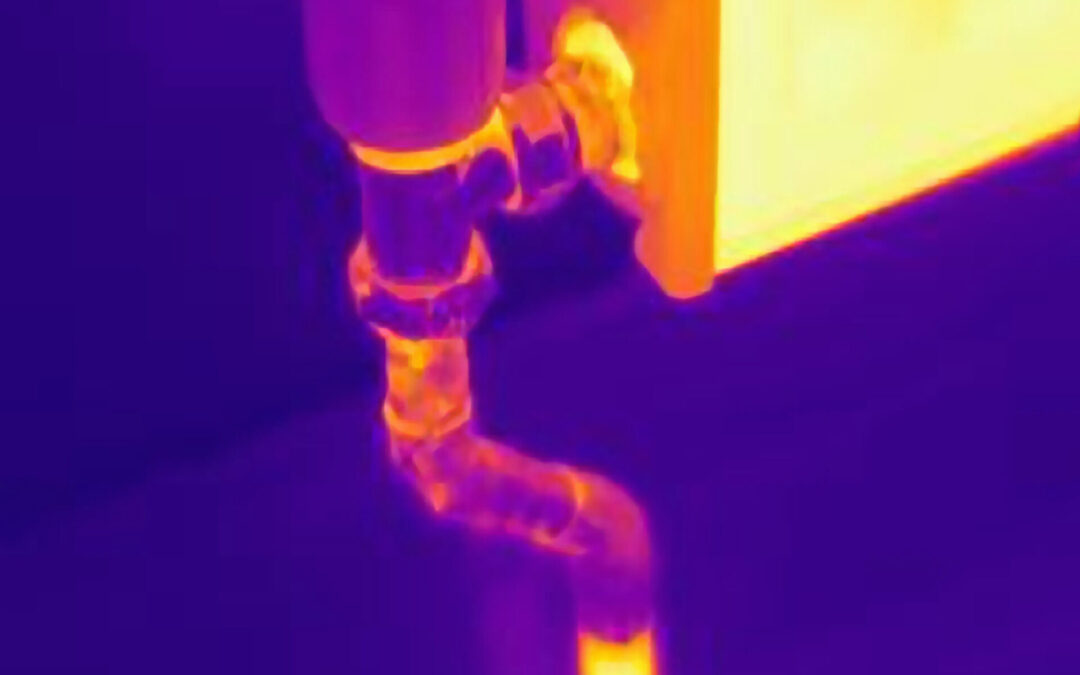
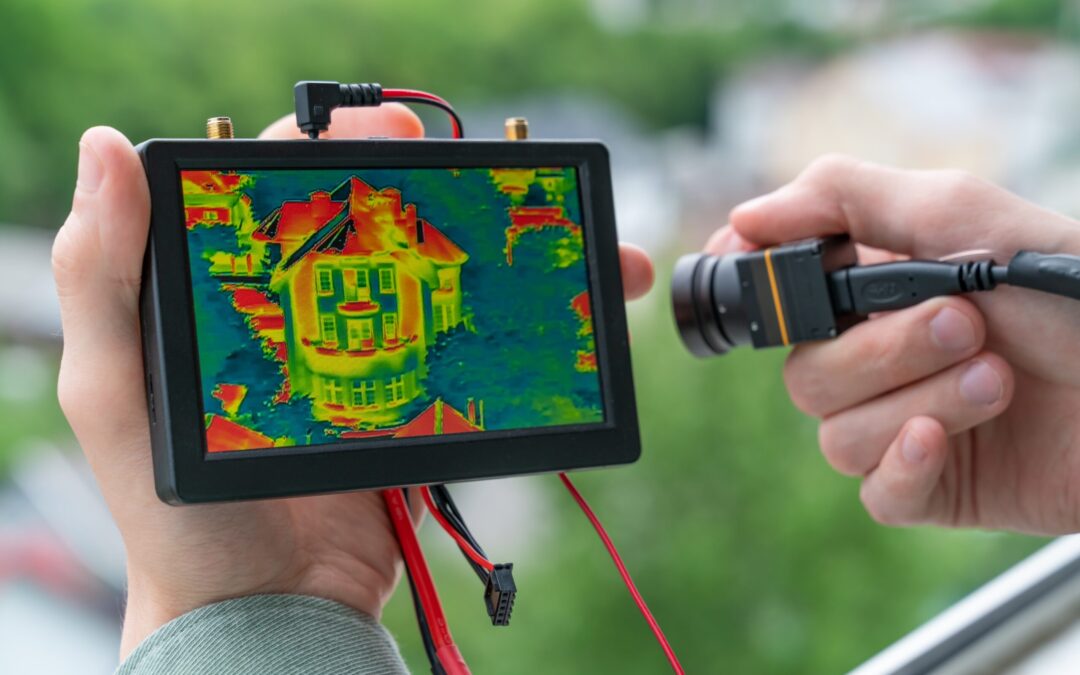
Maintaining a home’s energy performance can also help build buyer confidence by showing that key systems and improvements have been properly cared for.
Controlling the Narrative of the Sale
Transparency is your best defense against post-sale legal liability. There is a massive difference between disclosing a known issue upfront and having an inspector “discover” it during their walk-through. Discovery feels like a hidden secret, which erodes trust and gives the buyer leverage to demand expensive, professional repairs at your expense. Knowing how to prepare for a home inspection seller allows you to identify these items early and present them on your own terms. When you address issues before the inspector arrives, you see fewer “Request for Repairs” (RFR) documents crossing your desk. Thorough inspection preparation is a proactive risk-management strategy for your home equity.
Tackling the “Big Five”: Structural and Systemic Priorities for Indiana Sellers
When you are learning how to prepare for a home inspection seller, you must prioritize the systems that carry the highest price tags. These are the “Big Five”: the roof, foundation, electrical, plumbing, and HVAC. Issues in these areas are often deal-killers because they represent significant financial risk to the buyer. In Central Indiana, our unique environment creates specific challenges that inspectors watch for closely. Addressing these systemic priorities before your home hits the market ensures you stay in control of the transaction.
Your HVAC system is a primary focus for any professional assessment. Ensure your furnace and air conditioner have been recently serviced; keep the documentation visible for the inspector to see. Similarly, small investments in your roof can prevent massive losses. A $500 maintenance visit to secure loose shingles or clear gutters can save you from a $15,000 roof replacement negotiation later. Taking the time to prepare for your property inspection by reviewing these high-ticket items ensures you remain in the driver’s seat during the sale.
Foundation and Structural Integrity
The “Indiana Clay” soil in Carmel and Westfield is notorious for expanding and contracting, which puts immense pressure on residential foundations. Inspectors look for signs of structural stress like step-cracks in exterior brick or interior doors that stick in their frames. If you notice these symptoms, a professional foundation inspection can help you determine if the movement is seasonal or a serious defect. Additionally, any sign of standing water or moisture in a crawlspace is an automatic red flag that suggests drainage issues.
Environmental Hazards: Radon and Mold
Indiana has some of the highest radon levels in the country, and most buyers will insist on testing. It’s a smart move to perform your own radon testing Carmel Indiana before listing so you can install a mitigation system if needed. Mold is another common concern, often hiding in attic sheathing or behind bathroom vanities where slow leaks occur. Detecting these environmental issues early prevents them from becoming “surprises” that give buyers an excuse to walk away.
Electrical and Plumbing Safety
Small electrical flaws often look terrifying on a formal report. A “double tapped breaker” is a common finding that usually costs very little to fix but signals a safety hazard to a nervous buyer. Ensure all outlets near water sources have GFCI protection to meet modern safety standards. For those in older Indianapolis neighborhoods with mature trees, a sewer inspection is essential. Tree roots frequently infiltrate clay sewer pipes, leading to backups that can cost thousands to remediate. If you want to identify these risks before a buyer does, consider scheduling a professional pre-listing inspection today.
The Strategic Advantage of a Pre-Listing Inspection
A pre-listing inspection is a comprehensive evaluation performed on behalf of the seller before the property ever hits the market. While most sellers wait for the buyer to hire an inspector, this reactive approach puts your equity at the mercy of a stranger’s timeline. By taking the lead, you identify potential deal-killers early and resolve them before they can derail a closing. This proactive step is a core part of how to prepare for a home inspection seller strategy. It removes the element of surprise and allows you to market your home as “pre-inspected,” which builds immediate, unshakeable trust with prospective buyers.
Investing in a pre-listing inspection Indianapolis offers a high return on investment by preserving your original asking price. When a buyer’s inspector finds a defect, the buyer often requests a credit that far exceeds the actual repair cost. They’re essentially charging you a “stress fee” for the discovery. Using a comprehensive home inspection guide helps you understand the rigorous standards professional inspectors use. This knowledge allows you to meet those expectations before the first showing even occurs.
Fixing on Your Terms vs. Their Terms
Time is your greatest ally when you inspect early. Contractor quotes are often 20-30% cheaper when you aren’t operating under a 48-hour inspection response deadline. You have the freedom to shop around for the best value and choose your own materials and repair methods. You won’t be forced into the buyer’s preferred high-end solutions just to save the deal. Once repairs are complete, you can provide “Proof of Repair” receipts to the buyer upfront. This transparency eliminates the need for frantic back-and-forth negotiations and keeps your equity where it belongs.
Eliminating the “Unknown” Factor
The “Unknown” is a buyer’s biggest fear and a seller’s biggest equity drain. When a buyer is uncertain about the state of the roof or the presence of radon, they bid low to protect themselves. A pre-listing report removes that mystery. It allows you to set an accurate and “firm” asking price based on the home’s verified condition. It changes the dynamic of the sale entirely. A pre-listing inspection transforms a “buyer’s market” advantage into a “seller’s market” certainty.
The Final Countdown: A Maintenance and Access Checklist
The biggest frustration for professional inspectors isn’t a leaking pipe; it’s a locked gate or a blocked attic hatch. If an inspector cannot access a system, they must list it as “not inspected” or “deferred” in the final report. This immediately triggers red flags for buyers, who often assume the worst about what might be hidden behind that obstacle. When you are finalizing how to prepare for a home inspection seller, your primary goal is to remove every physical barrier to the inspector’s work. Visibility equals trust, and a home that is easy to inspect is a home that is easy to sell.
Start with the essential basics. Ensure all utilities, including gas, water, and electricity, are turned on, even if the property is currently vacant. An inspector cannot test a furnace or check for plumbing leaks if the valves are closed. You should also replace any burnt-out light bulbs throughout the house. While it seems minor, a light that doesn’t turn on often gets flagged as a “non-functional fixture,” which can lead to expensive and unnecessary electrical evaluations. Finally, clear a 3-foot perimeter around your HVAC unit, water heater, and electrical panel. Inspectors need sufficient space to remove covers and perform technical testing safely and accurately.
Exterior and Curb Appeal Readiness
Your home’s exterior is the first thing a buyer and their inspector will see. Trim all tree branches and shrubs so they are at least 2 feet away from the roofline and siding. This prevents “conducive conditions” for wood-destroying insects and protects your shingles from abrasive damage during wind. Clear all debris from your gutters and verify that downspouts divert water at least 3 to 5 feet away from the foundation. These simple steps demonstrate that the home has been meticulously cared for. If you are looking for the most thorough home inspectors in the region, ensuring this level of access is the best way to get an accurate, fair report.
Interior Accessibility and Safety
Inside the home, accessibility remains the priority. Provide keys or leave locks open for all outbuildings, crawlspace hatches, and electrical sub-panels. Safety systems are also under the microscope. Ensure every smoke and carbon monoxide detector has fresh batteries and check the manufacture dates on the back; these devices generally have a 10-year lifespan and must be replaced if they are older. On the day of the visit, remove all pets from the property. This ensures the inspector can move freely through every room without distraction or safety concerns for your animals. If you want to ensure your home is truly ready for the market, schedule a professional Pre-Listing Inspection to catch these details before the buyer’s inspector arrives.
Navigating the Results: How to Handle the Inspection Report
Receiving the final inspection report often feels like getting a graded exam. It’s vital to remember that no house is perfect. Even a new construction inspection will typically reveal a list of minor findings, as no build is entirely without flaw. When you’ve learned how to prepare for a home inspection seller, you’ve already mitigated the most significant risks. Now, the goal is to filter the results with a level head. Focus your attention on the “Big Three”: safety issues, structural failures, and major moisture intrusion. These are the items that can truly halt a sale, and they should be your primary focus for resolution.
Your real estate agent is your best ally in interpreting “Inspector Speak.” Technical reports can sometimes sound more alarming than they are, and an experienced agent helps you distinguish between a routine observation and a critical defect. For minor cosmetic requests, like a loose cabinet handle or a scuffed baseboard, you can professionally decline. Most buyers understand that an inspection isn’t a tool to make an older home “brand new.” Maintaining this boundary protects your equity while keeping the buyer engaged in the process.
The Art of the Repair Credit
Sometimes, the best way to handle a legitimate repair is through a closing cost credit. Doing the repairs yourself can be risky; if the buyer isn’t satisfied with the workmanship or the choice of contractor, it can delay the closing. Credits are often preferred by buyers because they can choose their own professionals and specific materials after they move in. This approach also removes the liability from your shoulders. 5M Inspection Services provides objective, technical data in every report, which helps you justify your position with facts rather than emotions during these final negotiations.
Ensuring a Smooth Closing in Central Indiana
As you approach the finish line, don’t overlook the importance of a re-inspection. This is where the inspector returns to verify that the agreed-upon repairs were completed correctly and meet safety standards. It provides the buyer with peace of mind and prevents last-minute disputes during the final walkthrough. Your preparation, from the initial pre-listing inspection to the final repair verification, ensures that the inspection is a bridge to a successful sale, not a barrier. By knowing how to prepare for a home inspection seller, you’ve turned a stressful hurdle into a professional, certain transaction that protects both your home and your financial future.
Secure Your Home Sale with Professional Certainty
Protecting your home equity requires more than just a quick cleaning before the buyer’s inspector arrives. You now understand that addressing the “Big Five” systemic priorities and ensuring full accessibility are critical steps in maintaining your asking price. By mastering how to prepare for a home inspection seller, you transform a potentially stressful hurdle into a clear, manageable path toward a successful closing.
Since 2019, 5M Inspection Services has helped homeowners in Westfield, Indianapolis, Carmel, and Fishers navigate these transactions with confidence. As a family-owned business operated by Chris and Morgan Markham, we provide the technical expertise you need, including specialized Sewer Scope and Radon Testing. Don’t leave your sale to chance or the buyer’s timeline. Schedule your Pre-Listing “Inspect Check” with 5M Inspection Services today to identify issues early and sell your home on your own terms. You’ve worked hard to build your home’s value; we’re here to help you protect it.
Frequently Asked Questions
Should the seller be present during the home inspection?
Generally, you should not be present during the home inspection. Leaving the property allows the buyer and their inspector to speak openly and move through the home without any perceived pressure. If you stay, it can inadvertently create a tense atmosphere or make the buyer feel like they’re being monitored, which often leads to unnecessary suspicion regarding the home’s condition.
How long does a typical home inspection take for a seller?
A typical home inspection takes between two and four hours to complete. This timeframe varies based on the square footage of your property and the complexity of its mechanical systems. Older homes often require more time for the inspector to evaluate crawlspaces and aging infrastructure, while a new construction inspection might move more quickly through modern components.
What are the most common things that fail a home inspection?
Home inspections don’t technically “pass” or “fail,” but the most common high-impact issues found involve the roof, electrical panels, and HVAC systems. Inspectors frequently identify safety hazards like missing GFCI outlets, double-tapped breakers, or minor plumbing leaks under bathroom vanities. Addressing these common items is a vital part of how to prepare for a home inspection seller strategy to keep your deal on track.
Do I have to fix everything the inspector finds on the report?
You aren’t required to fix every item listed in the final inspection report. Most negotiations focus on the “Big Three”: structural failures, safety hazards, and active moisture intrusion. You can often professionally decline requests for minor cosmetic repairs or items that fall under normal wear and tear. Your real estate agent will help you decide which repairs are essential for closing.
Can a buyer back out of a contract after a home inspection?
Yes, a buyer can typically back out of a contract if the inspection reveals issues they find unacceptable. This right depends on the specific language of the inspection contingency in your signed purchase agreement. While most buyers prefer to negotiate for repairs or financial credits, a report filled with major unaddressed defects can cause them to exercise their right to terminate the sale.
What is a WDI or termite inspection, and do I need one before selling?
A WDI inspection stands for Wood Destroying Insect inspection, which specifically checks for termites, carpenter ants, and powderpost beetles. While not always legally required, many lenders insist on a clear WDI report before they will fund a buyer’s mortgage. Identifying these pests before you list your home prevents a last-minute discovery from delaying your closing or requiring expensive, rushed treatments.
How much does a pre-listing home inspection cost in Indianapolis?
The cost of a pre-listing inspection in Indianapolis depends on the size, age, and specific features of your property. While industry averages provide a general idea of what homeowners pay, local rates reflect the unique demands of the Central Indiana market. It’s best to contact a local professional directly to get an accurate quote that covers your home’s specific square footage and foundation type.
What happens if the inspector finds mold or radon in my home?
If an inspector finds mold or radon, it’s a hurdle that can be resolved with professional mitigation. Radon is a common environmental issue in Indiana that is typically fixed with a sub-slab depressurization system. Mold findings require you to fix the moisture source and clean the affected area. Learning how to prepare for a home inspection seller means testing for these early so you can manage the remediation on your own terms.