What if the “free” termite inspection you just booked is actually the most expensive mistake you’ll make this year? In Central Indiana, subterranean termites aren’t just a nuisance; they’re a silent threat to your home’s structural integrity. Most homeowners feel the pressure of constant sales pitches from pest control companies, leaving them wondering how often should you get a termite inspection without being sold a treatment plan they might not even need.
We understand that protecting your property investment in Westfield or Carmel feels like a high-stakes balancing act. You want certainty, not a sales quota. This 2026 guide provides a clear, unbiased schedule tailored to the specific climate and risks of the Hoosier State. We’ll show you why decoupling your inspection from chemical treatments is the only way to get an objective look at your home’s health. By the end of this article, you’ll know exactly when to call a certified professional to ensure your peace of mind and keep your foundation solid for years to come.
Key Takeaways
- Establish the annual baseline for Central Indiana homes to prevent hidden structural decay before it becomes an expensive repair.
- Determine how often should you get a termite inspection based on specific property risk factors like soil moisture and wood-to-ground contact.
- Learn why separating your inspection from a pest treatment company ensures you receive a 100 percent unbiased report focused on your safety.
- Recognize the subtle early warning signs, such as mud tubes on foundations or discarded wings, that signal an immediate need for professional intervention.
- Gain peace of mind by understanding how certified WDI experts in Westfield and Carmel protect your investment without the pressure of a chemical sales pitch.
The Standard Frequency: How Often Should You Get a Termite Inspection?
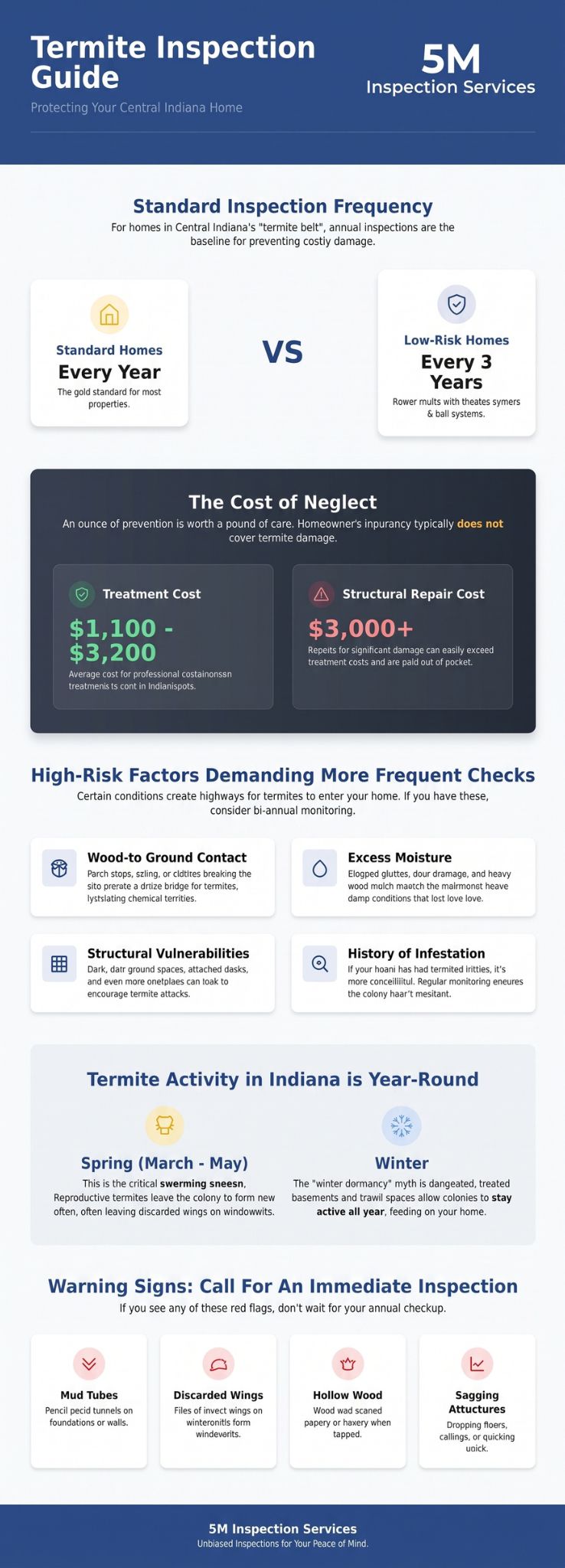
For most homeowners in Central Indiana, the professional consensus is clear: you should schedule a termite inspection once every year. This annual cadence isn’t just a suggestion; it’s a necessary safeguard because our region sits directly in the “termite belt.” We share our soil with the Eastern Subterranean termite, a species notorious for its ability to bypass standard foundations and enter homes through cracks as thin as a business card. A WDI inspection is a non-invasive visual examination for wood-destroying insects that identifies these entry points before they become structural failures.
While annual checks are the baseline, some exceptions exist. If you live in a modern, termite-resistant build with active baiting systems or treated lumber, you might stretch that window to every three years. However, even new construction in Westfield or Fishers isn’t immune to shifting soil or landscape changes that can bridge protective barriers. Regular monitoring is a core component of general pest control and responsible home ownership.
Why Annual Inspections are the Gold Standard
Termites are remarkably efficient. A mature colony can cause significant structural damage in as little as 6 to 12 months. By the time you notice sagging floors or hollow-sounding wood, the repair bill has likely already ballooned. Industry data shows that subterranean termite treatments in Indianapolis often range from $1,100 to $3,200, yet the resulting structural repairs can easily exceed $3,000. It’s a simple cost-benefit calculation. Paying for a professional assessment today prevents a financial catastrophe tomorrow. Most Indiana homeowners’ insurance policies explicitly exclude termite damage, meaning you’re on the hook for every penny of repair costs if you skip your annual checkup.
The Impact of Indiana Seasons on Termite Activity
Indiana’s climate creates a perfect storm for wood-destroying insects. Spring swarming is the most critical time for inspections, typically occurring between March and May. This is when “reproductives” leave the colony to start new ones, often leaving behind discarded wings on your windowsills. Don’t let the cold weather fool you, either. The “winter dormancy” myth is dangerous. Because many Indiana homes have heated basements or crawl spaces, termite colonies often stay active year-round. They simply move deeper into the warmth of your foundation. Our consistent rainfall patterns also keep the soil around Indianapolis moist, providing the humid environment subterranean termites need to thrive and expand their tunnels toward your home’s structural beams.
High-Risk Factors That Demand More Frequent Inspections
While the annual rule is a safe baseline for many, some Indiana homes are simply more inviting to pests than others. When we evaluate how often should you get a termite inspection, we consider the specific “highways” that lead colonies from the soil to your structural beams. Wood-to-ground contact remains the primary threat. Whether it’s a porch step, a siding panel, or a lattice screen touching the dirt, these points of contact allow Eastern Subterranean termites to bypass chemical barriers. They move directly from the earth into your home without ever being exposed to the air.
Indiana’s landscaping trends often work against us. Many homeowners in Westfield and Carmel use heavy wood mulch against their limestone foundations. This mulch traps moisture and provides a direct, temperature-controlled path for termites to reach the sill plate. Similarly, clogged gutters that spill water near your foundation create the damp soil these insects crave. To truly Identify and Control Them, you must address these moisture traps. If your home has a history of infestations, we recommend bi-annual monitoring for at least two years after a “clear” report to ensure the colony hasn’t returned.
Structural Vulnerabilities in Indianapolis Homes
Crawl spaces are a staple of Central Indiana architecture, but they require more vigilance than slab-on-grade homes. The dark, damp environment of a crawl space is a perfect breeding ground for wood-destroying insects. We also see modern energy-efficient materials, like spray foam insulation, inadvertently hiding termite activity. Termites can tunnel behind the foam, making their mud tubes invisible to the naked eye. Attached decks and fences also act as bridges, leading colonies directly from the yard to your home’s exterior walls.
Environmental Risks in Your Neighborhood
Your location in the community matters. Homes in Carmel or Fishers sitting near wooded parks face higher pressure from established colonies. Research shows that if a neighbor has an active infestation, your risk increases by 40 percent. Even new construction in Fishers needs a baseline inspection after the first year. Settling foundations create cracks that termites exploit. Determining how often should you get a termite inspection depends on these local variables. If you’re concerned about these specific risks, a thorough WDI inspection can provide the clarity you need.
WDI Inspections vs. Pest Control Sales: Understanding the Difference
When you’re deciding how often should you get a termite inspection, you must first consider who is performing the work. Many national pest control chains offer “free” inspections to homeowners. While this sounds like a great deal, these visits often serve as lead generation tools for their treatment services. There is an inherent conflict of interest when the person diagnosing a potential infestation is the same person selling a thousand-dollar chemical solution. This is why many Central Indiana residents prefer the 5M approach.
At 5M Inspection Services, we provide objective, third-party reporting because we don’t sell termite treatments or home repairs. Our only goal is to provide an accurate, unbiased assessment of your property’s condition. A Wood Destroying Insect (WDI) report from a certified top-rated home inspector in Westfield or Indianapolis covers far more than just termites. It includes a comprehensive check for carpenter ants, powderpost beetles, and carpenter bees, providing a full property context that a simple pest sales pitch lacks.
The Legal Necessity: WDI Reports for Real Estate
In Indiana, real estate transactions often turn a recommendation into a legal requirement. If you’re using a VA or FHA loan to purchase a home in Indianapolis, a professional WDI report is mandatory to reach the closing table. Sellers also have a specific responsibility under Indiana real estate disclosure laws to report any known history of wood-destroying insects. Savvy sellers often opt for a pre-listing inspection to identify and address these issues before they become deal-breakers during the buyer’s due diligence period.
What to Expect During a Professional Termite Inspection by 5M Inspection Services
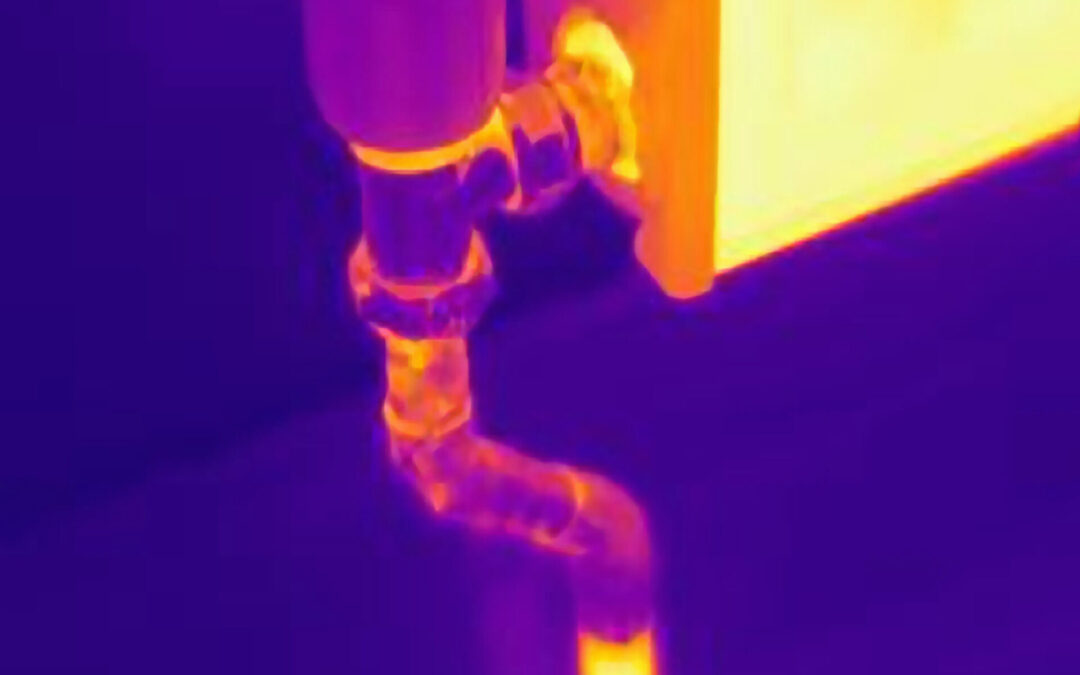
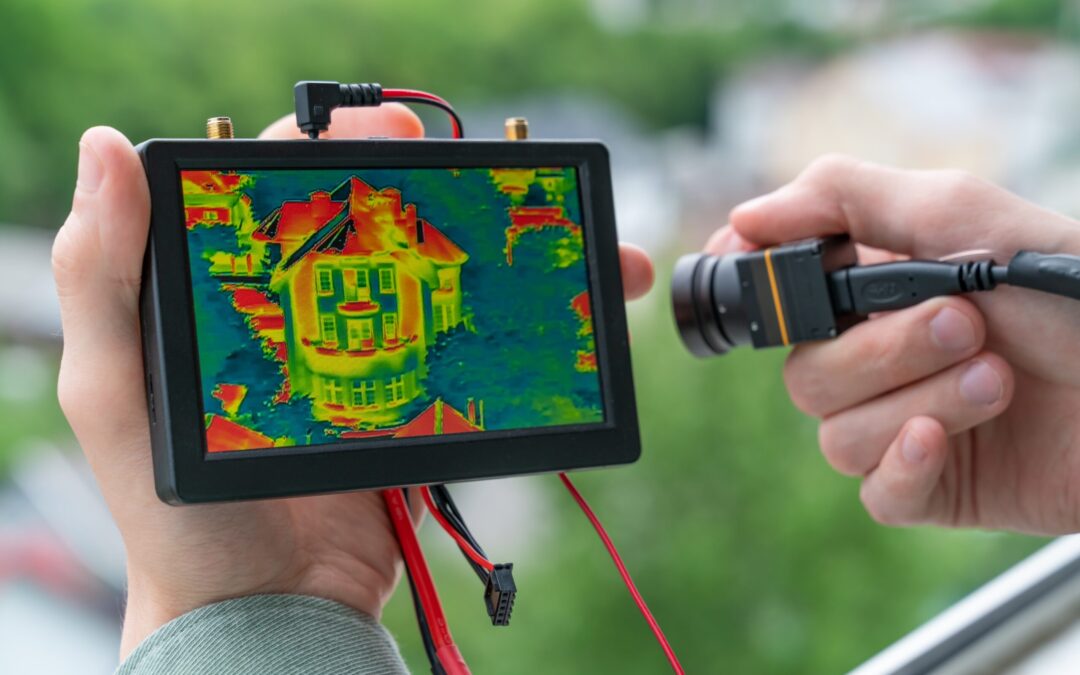
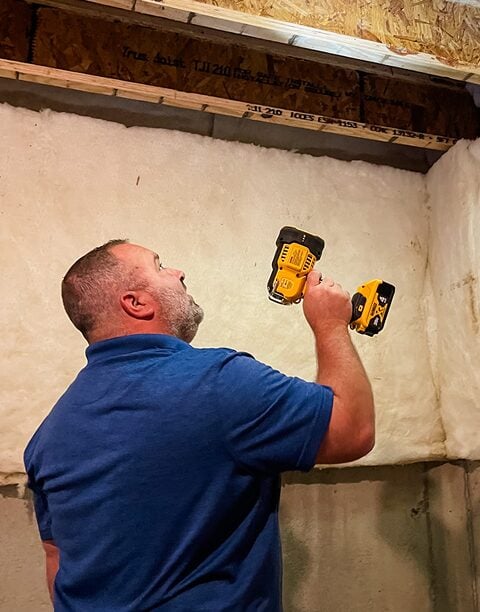
Our termite inspection process at 5M Inspection Services is designed to be thorough without being invasive. We conduct a detailed visual examination of the foundation, sill plates, floor joists, and subfloors. We specifically look for mud tubes, exit holes, and wood that appears blistered or damaged. To ensure accuracy, we use probing and sounding techniques. This involves gently tapping structural wood members to listen for the distinctive hollow sound that indicates internal damage. You don’t have to worry about us damaging your property; we use specialized tools to find the truth behind the drywall. You’ll receive a clear, easy-to-read final report that meets all lender requirements and serves as a reliable record for your home maintenance files.
Red Flags: Signs You Need an Immediate Termite Inspection
Even when you know how often should you get a termite inspection, your home might have other plans. Nature doesn’t always wait for your calendar. If you spot certain red flags, you need an immediate assessment to prevent catastrophic structural damage. The most common sign is the presence of mud tubes. These pencil-sized tunnels crawl up your foundation walls, acting as protected highways for colonies to move from the soil into your home’s framing.
Another unmistakable sign is finding discarded wings near windowsills or doors. After a spring swarm, termites shed their wings, which often look like small, translucent fish scales. If you tap on a structural beam and it sounds hollow or feels as soft as cardboard, the damage is already underway. In Indiana barns and older homes, keep an eye out for “frass,” which is a fine, sawdust-like powder, and tiny exit holes. These are the tell-tale markers of powderpost beetles, another wood-destroying insect we frequently encounter in Central Indiana.
Subtle Signs Most Homeowners Miss
Termites are masters of stealth. You might notice bubbling or peeling paint and assume it’s just the result of our intense Indiana humidity. However, termites often bring moisture into the walls, causing the paint to blister. Similarly, if your windows or doors suddenly become difficult to open or close, don’t just blame the house settling. Structural warping from termite activity can throw frames out of alignment. Look closely at your drywall, too. Tiny pinholes, often the size of a thumbtack point, are actually exit holes for mature colonies.
The “Between-Inspection” Checklist
Maintaining your home’s safety requires vigilance between your professional visits. We recommend performing a monthly foundation walk. Look for new mud tubes or moisture pooling against the concrete. If you use a wood-burning fireplace, keep your stored firewood at least 20 feet away from the house structure to avoid inviting colonies toward your walls. Proper drainage is also vital. Check your gutters and downspouts regularly to ensure water isn’t saturating the soil near your foundation. For more detailed tips on managing water around your home, see our Foundation Inspection: The Homeowner’s Guide.
Knowing how often should you get a termite inspection is the first step, but acting on these red flags is what saves your investment. If you’ve noticed any of these warning signs, don’t wait for your next annual checkup. Contact us today for a certified WDI inspection to protect your home’s integrity.
Protecting Your Central Indiana Investment with 5M Inspection Services
Choosing a local partner for your property’s safety makes all the difference. Central Indiana has unique soil compositions and specific building codes that national chains often overlook. When you ask how often should you get a termite inspection, the answer depends on your specific neighborhood’s history and structural risks. We bring a protective, community-oriented mindset to every job. Our goal is to provide the certainty you need to make informed decisions about your home. As a family-owned business, we treat your property with the same meticulous care we’d give our own neighbors in Fishers or Carmel.
The 5M guarantee is built on 100 percent objectivity. Because we don’t sell repair services or chemical treatments, our reports are entirely unbiased. This eliminates the stress of wondering if a recommendation is actually a sales pitch. We also understand that home maintenance is about the big picture. You can bundle your WDI inspection with other critical services to save time and money. For instance, pairing a termite check with a Sewer Inspection: The Complete Guide ensures you’re protected from the foundation to the main line.
Comprehensive Environmental Testing
Your family’s health is just as important as your home’s structural integrity. We highly recommend combining your termite assessment with Radon Testing Carmel Indiana. Radon is a silent, odorless threat common in our region. Similarly, Mold Sampling Indianapolis provides essential data on your indoor air quality. By addressing these environmental risks together, you create a comprehensive safety net for your household. Our family-first approach means we look for every potential hazard, from wood-destroying insects to invisible toxins.
Ready for Certainty? Book Your Inspection Today
We pride ourselves on being modern and highly responsive. If you have technical questions about your property’s risks or how often should you get a termite inspection, you can speak directly with our team. We know the fast-paced nature of Indiana real estate requires speed. That’s why we offer fast turnaround times on all WDI reports to keep your closing on track. Our pricing is transparent, and our commitment to your safety is absolute. You deserve an inspector who is as invested in your home’s security as you are. Contact us today to schedule your specialized testing and gain true peace of mind.
Secure Your Home’s Future Today
Protecting your property from the silent threat of Eastern Subterranean termites requires a proactive and informed approach. You now understand that while an annual check is the gold standard for Indiana, specific risk factors like wood-to-ground contact or neighborhood history might demand even more vigilance. By separating the inspection from the treatment sale, you ensure the report you receive is based on structural truth rather than a sales quota.
Deciding how often should you get a termite inspection is about more than just checking a box; it’s about protecting your largest investment and your family’s peace of mind. As a family-owned and operated business in Central Indiana, we take this responsibility personally. Our certified WDI specialists provide thorough, unbiased assessments with no conflict of interest. We don’t sell treatments, so you can trust our findings are 100 percent objective.
Ready to move forward with certainty? Schedule Your Objective Termite (WDI) Inspection with 5M Today. We’re here to help you keep your home safe, solid, and secure for years to come.
Frequently Asked Questions
How much does a termite inspection cost in Indianapolis?
A professional termite inspection in the Indianapolis area typically ranges from $75 to $325. The final price depends on the size of your property and whether you require a formal Wood Destroying Insect (WDI) report for a real estate closing. Because we don’t sell treatment services, our fee covers a 100 percent objective assessment of your home’s structural integrity without any hidden sales agendas.
Is a yearly termite inspection really worth it if I don’t see bugs?
Yes, an annual checkup is essential because Eastern Subterranean termites work from the inside out. By the time you see a live insect or a spring swarm, significant structural damage has likely already occurred. Regular monitoring helps you catch colonies in their early stages, saving you thousands in potential repair costs that are almost never covered by standard insurance policies.
Does homeowners insurance cover termite damage in Indiana?
Most Indiana homeowners insurance policies do not cover termite damage or the cost of removal. Insurance providers generally view wood-destroying insect infestations as a preventable maintenance issue rather than a sudden, accidental event. This reality makes the question of how often should you get a termite inspection even more critical for protecting your long-term financial investment.
How long does a professional termite (WDI) inspection take?
A thorough termite inspection usually takes between 30 and 60 minutes for a standard-sized home. We meticulously examine the entire foundation, crawl space, and interior sill plates to ensure no signs of activity are missed. Larger properties or those with multiple outbuildings may require additional time for a complete and reliable structural evaluation.
What is the difference between a pest control inspection and a WDI report?
A pest control inspection is often a lead-generation tool used to identify needs for chemical treatments or baiting systems. In contrast, a WDI report is an official legal document often required by lenders during a property transaction. Because we are independent inspectors, our WDI reports provide a completely unbiased view of your property’s health without the pressure of a treatment upsell.
Can I do my own termite inspection?
You can certainly perform monthly walks to look for obvious mud tubes or wood damage, but a DIY check shouldn’t replace a professional evaluation. Certified inspectors have the specialized tools and training to identify subtle signs in hard-to-reach areas like dark crawl spaces and tight floor joists. Missing even a small colony can lead to major structural issues within a single season.
What happens if the inspector finds termites during a real estate transaction?
If termites are discovered during a home sale, it typically triggers a negotiation for treatment and repairs. Usually, the seller is responsible for paying for professional mitigation and any necessary structural fixes. Once the property is treated, a clear WDI report is issued to satisfy the buyer and the lender that the home’s integrity is restored.
How soon can I get a WDI report for a VA or FHA loan?
We understand that real estate closings move quickly, so we prioritize fast turnaround times for all WDI reports. Determining how often should you get a termite inspection during a move is simple; you must have one before your final appraisal. We typically deliver your completed NPMA-33 form within 24 hours of the physical inspection to keep your closing on track.