A home inspection is mostly a visual process. An inspector walks the property, operates what can be operated, and reports what can be seen. Thermal imaging adds a second layer to that work because it shows temperature differences the naked eye cannot pick up. An infrared camera can point to a damp patch behind a finished wall, a stretch of ceiling losing heat, or a cold spot where insulation should be. Knowing what thermal imaging is, and what it is not, helps you get more out of an inspection.
How a Thermal Imaging Camera Works
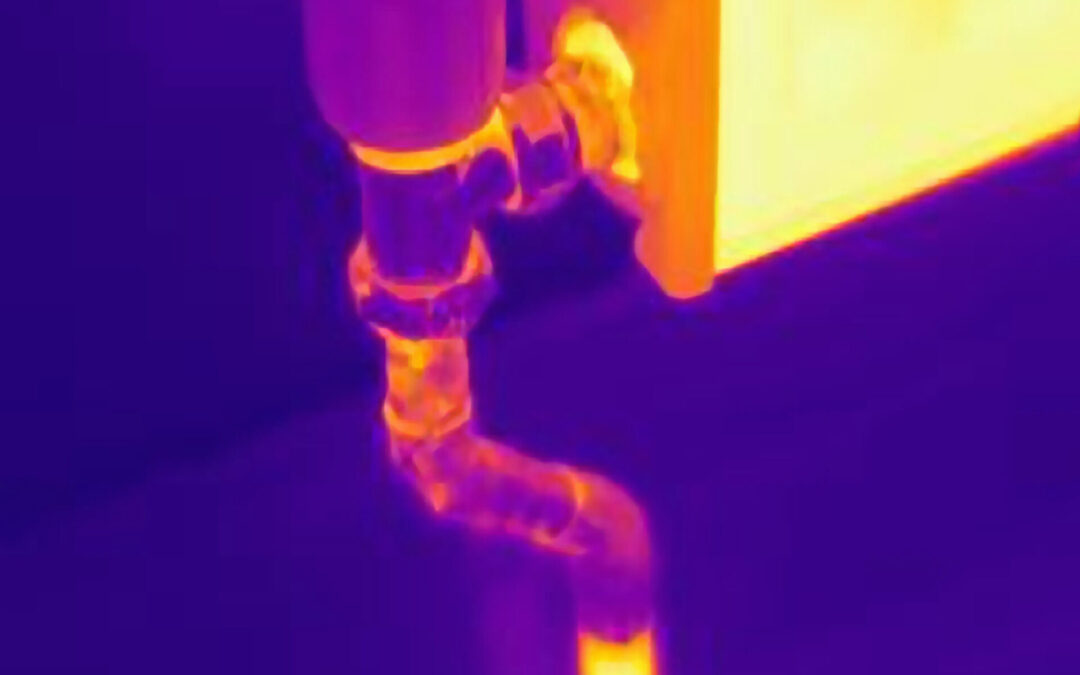
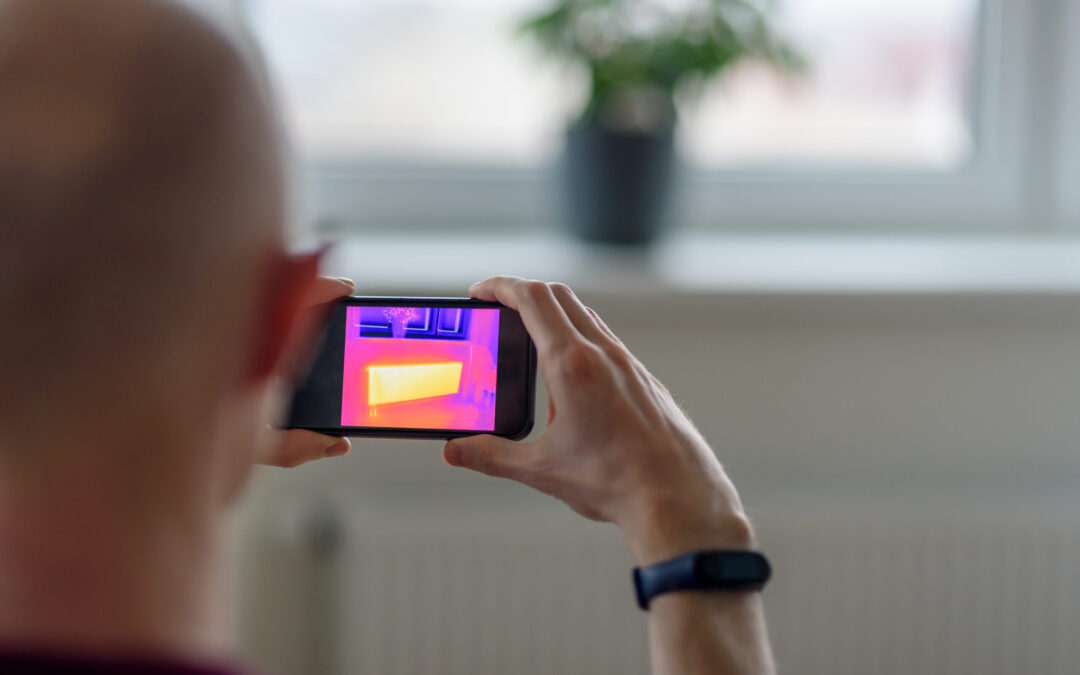
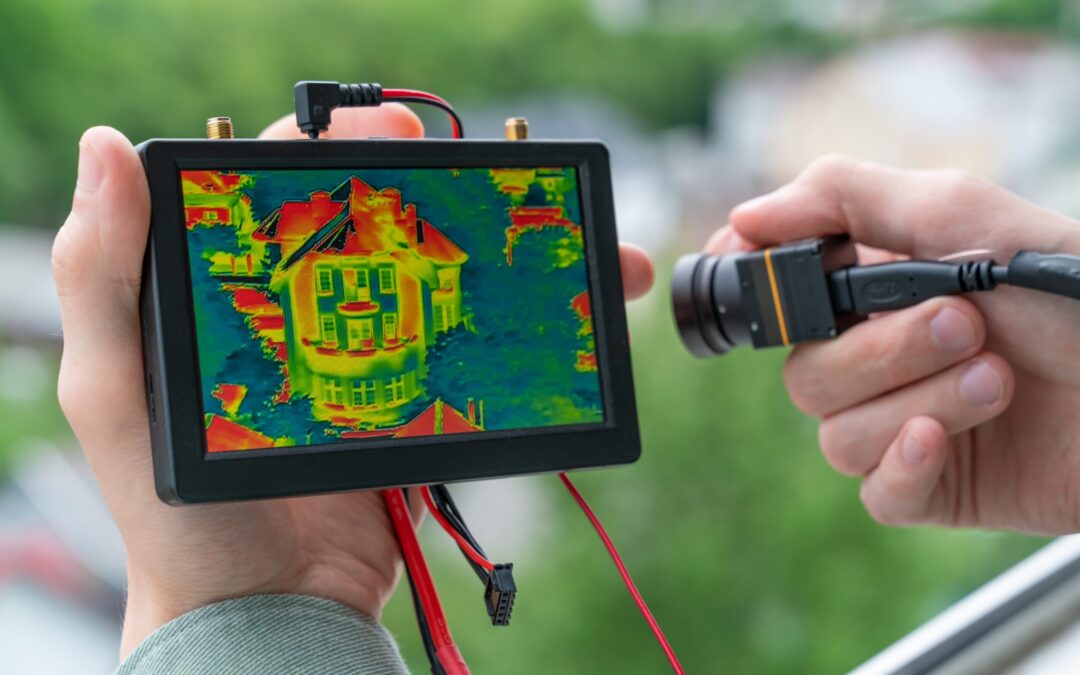
Infrared scanning uses an infrared thermal imaging camera to capture and analyze the temperature patterns emitted by objects and surfaces. The camera reads infrared radiation and converts those readings into a viewable image, where warmer and cooler areas appear as distinct patterns. Thermal imaging devices, also known as infrared cameras, reveal differences in temperature in areas of the home, and an unusual temperature can be a signal that something deserves a closer look.
Safety is one of the first questions people raise. Thermal imaging cameras use passive infrared radiation to detect hot and cold anomalies. That means the equipment detects radiation rather than emitting it, so the inspector and the people living in the home are not exposed to the more harmful forms of radiation during a scan.
A thermal image is not a diagnosis on its own. It shows where a surface temperature differs from what the surrounding area suggests it should be. From there, the inspector interprets the pattern and checks the area with other methods before writing anything into the report.
What Thermal Imaging Can Reveal in a Home Inspection
The camera does not care what a room looks like. It responds to temperature, which makes it useful in three broad categories of findings.
Moisture and Water Intrusion
Moisture is one of the most common reasons thermal imaging earns its place in an inspection. Thermal imaging in home inspections is described as the best way to detect moisture issues within a home, and moisture-driven problems are reported often enough that they remain a standing concern for inspectors. Water changes how a surface holds and releases heat, so a wet patch behind drywall or beneath a floor typically shows up as a temperature difference compared with the dry material around it. Without an infrared camera, that same patch can stay completely hidden until it stains, warps, or starts to smell.
Air Leaks and Missing Insulation
Thermal imaging cameras can easily identify areas where heat is escaping the most. In cold weather, escaping heat shows as a warm streak along a wall, ceiling, or floor line. In warm weather, the same leak path tends to show as a warmer band where outside air is moving in. Once the leak path is known, it can be fixed in order to save on your energy costs. Missing or settled insulation, gaps around openings, and poorly sealed transitions are the kinds of defects that hide behind finishes and only reveal themselves through a temperature difference.
Unexpected Hot and Cold Anomalies
Not every anomaly involves water or air. Sometimes a surface simply runs warmer or cooler than everything around it, with no obvious cause on the visible surface. Because an unusual temperature could point to any number of underlying conditions, the value of the scan is that it directs attention to a specific spot. The inspector can then examine that location directly instead of guessing where to start looking.
Key Benefits of Thermal Imaging in a Home Inspection
The practical benefits show up long before anyone picks up a tool to make a repair.
- It finds what a visual walk-through cannot, including moisture and air movement hidden behind finished surfaces.
- It converts a vague concern into a specific location, so a repair conversation starts with an address rather than a shrug.
- It supports energy decisions by identifying where heat is escaping and how leak paths might be corrected.
- It documents conditions with images, which gives buyers, sellers, and homeowners a shared reference point.
- It works as part of the same visit, so no separate appointment is needed to add the scan to a standard inspection.
Is Thermal Imaging Worth Adding to an Inspection?
Working inspectors often treat infrared scanning as a core part of doing the job well rather than an optional extra. One inspector put it bluntly, saying it is hard to see how anyone could provide a quality inspection without thermal. That view reflects a practical reality. Problems that go unnoticed at the time of purchase tend to surface later, and they tend to surface at the least convenient moment.
For buyers, a thermal scan adds evidence to a decision that is already expensive. For sellers, it can surface a small issue before it turns into a negotiating point. For homeowners staying in place, it can help locate the source of a draft or a stubbornly high utility bill. In each case the benefit is the same: information arrives before the problem gets worse.
What Thermal Imaging Cannot Do
An infrared camera does not see through walls the way an X-ray does. It reads surface temperatures, and those readings still need interpretation. Air movement, weather conditions, and the reflective properties of certain materials can all affect what appears on the screen, which is why a single image is rarely the end of the story.
There are also practical questions the technology itself cannot answer, such as which camera model an inspector carries or how a particular finding was confirmed. Those details vary by provider. If you want to know what equipment will be used on your home or how a result will be verified, ask the inspection company directly.
Thermal Imaging for Central Indiana Home Inspections
5M Inspection Services is a family owned and operated full service home inspection company based in Westfield, Indiana. The team works with home buyers, sellers, and homeowners across Central Indiana, including Indianapolis, Carmel, Fishers, Noblesville, and Zionsville. Residential inspections are the core of the service, alongside specialty offerings such as radon testing, sewer scopes, new construction phase inspections, mold testing, and pool and spa inspections. Thermal imaging fits naturally into that scope because it adds information to the same walk-through a buyer is already paying for.
If you are scheduling an inspection, ask two questions before you book. Is infrared scanning included in the standard service or priced as an add-on, and which areas of the home will be scanned? The answers tell you a great deal about how detailed the final report is likely to be.
Frequently Asked Questions
What does thermal imaging detect in a home inspection?
An infrared camera detects temperature differences across surfaces. In practice, that means it can point to moisture behind finishes, air leaks where heat is escaping, missing or settled insulation, and spots that simply run warmer or cooler than their surroundings. Each finding is a starting point rather than a final verdict, so the inspector reviews the area more closely before reporting it.
Is thermal imaging safe for my family and pets?
Yes. Thermal imaging cameras use passive infrared radiation, which means they detect radiation rather than emit it. Inspectors and the people living in the home are not exposed to harmful radiation during a scan. The camera is a handheld sensor that reads surface temperatures, so there is no need to leave the house or take special precautions while the scan is underway.
Can thermal imaging see through walls?
No. An infrared camera reads surface temperatures, and it does not produce an X-ray style view of what sits behind a wall. What it can do is show a temperature difference at the surface that suggests something unusual inside the assembly, such as trapped moisture or a gap in insulation. Confirming the cause takes a closer look.
Does every home inspection include thermal imaging?
Not necessarily. Infrared scanning is treated as a standard part of the job by many inspectors, but inclusion varies by provider and by the scope of service you purchase. Ask before you book whether a thermal scan is part of the base inspection or an add-on, and ask which areas of the home will be covered.
Are there downsides to thermal imaging?
The main limitation is interpretation. A camera shows temperature patterns, not causes, and readings can be affected by air movement, weather, and the surfaces being scanned. That is why findings should be confirmed with other methods before conclusions are drawn. Ask your inspector how results are verified and how they appear in the written report.