What if the most expensive part of your home isn’t the granite countertops or the new roof, but a pipe buried six feet underground that you’ve never even seen? It’s a sobering thought for any homeowner, especially when a major failure can lead to repair bills reaching $15,000. Most people assume that if the drains are moving, the system is healthy. However, with over 60% of municipal sewer systems in North America now over 30 years old, relying on hope isn’t a strategy. A professional sewer line camera inspection is the only way to see through the dirt and protect your investment from invisible, high-stakes structural failures.
We understand the anxiety that comes with property ownership and the distrust often felt when someone “finds” a problem you can’t see. You deserve certainty and objective facts. This guide explains exactly how modern camera technology works, which red flags to watch for, and how a simple video report prevents sewage backups and protects your bank account. We’ll show you how to gain total control over your main line’s condition before a small crack becomes a massive crisis.
Key Takeaways
- Learn how a professional sewer line camera inspection provides high-definition clarity that standard home inspections simply cannot reach.
- Follow our step-by-step breakdown of the diagnostic process, including equipment calibration and pinpointing primary access points.
- Master the ability to spot common red flags like root intrusions and pipe “bellies” caused by shifting local soil conditions.
- Use our targeted checklist to evaluate your home’s risk level based on construction year and the proximity of mature trees.
- Understand the financial advantage of choosing an unbiased third-party inspector who has no interest in selling you unnecessary repair services.
Understanding Sewer Line Camera Inspection: Seeing the Unseen
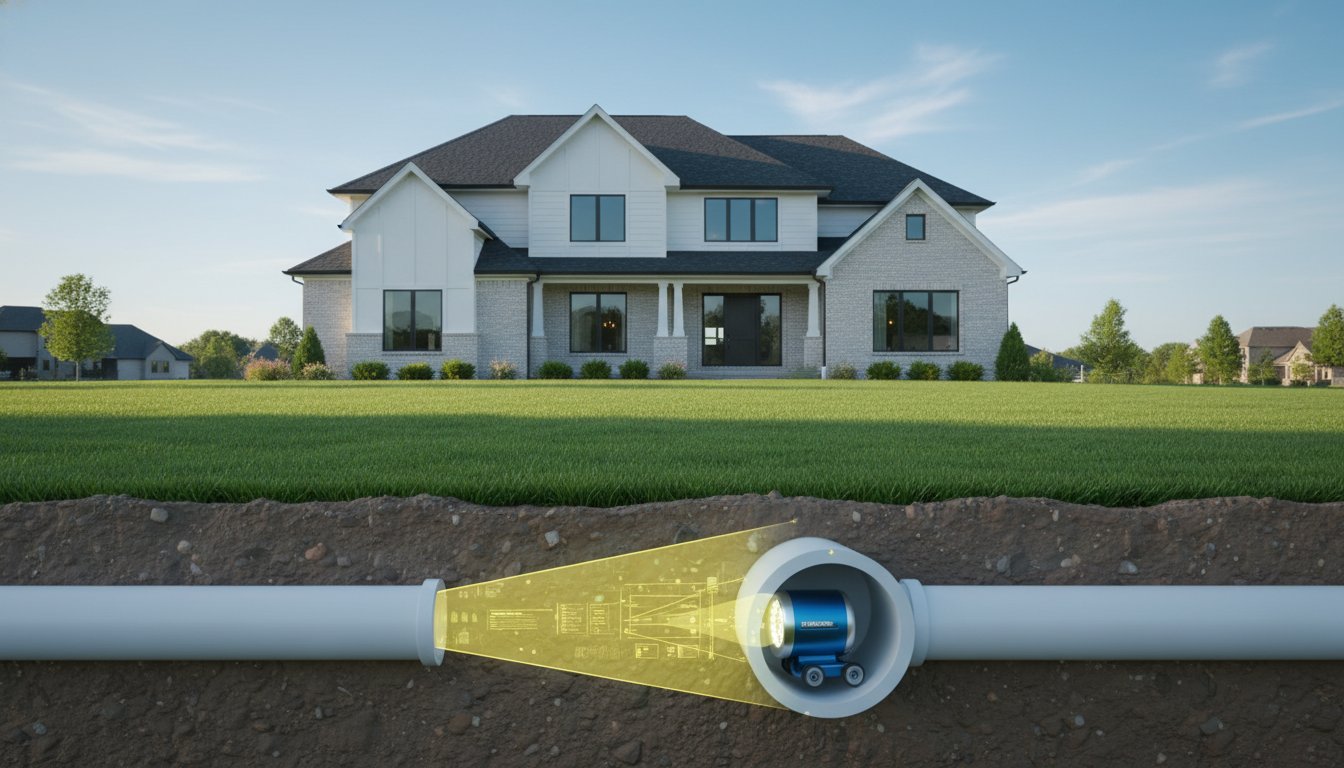
A sewer scope is far more than a simple camera on a string. It’s a high-definition internal diagnostic tool designed to travel deep into your property’s subterranean infrastructure. While a standard home inspection ensures your sinks drain and your toilets flush, it typically stops at the foundation wall. It doesn’t tell you what’s happening in the main line. By 2026, relying on these surface-level checks is a gamble most homeowners can’t afford. A professional sewer line camera inspection provides the visual clarity needed to identify structural threats before they manifest as a basement flood.
The evolution of fiber-optic technology has transformed how we assess property health. In 2026, we utilize ultra-bright, specialized LED lighting that cuts through the darkness of underground pipes. This level of illumination is vital. It reveals hairline cracks and early-stage root intrusions that older, grainier cameras would simply miss. This specialized sewer line camera inspection allows us to see the texture of the pipe walls and the integrity of every joint, ensuring you have a complete map of your home’s most expensive hidden system.
The Technology Behind the Lens
The core of this process relies on advanced Sewer Line Camera Technology, which utilizes fiber-optic cables to transmit live footage to a monitor above ground. We use high-resolution waterproof cameras mounted on flexible push-rods to navigate tight bends in cast iron or PVC. Self-leveling heads are a critical feature of our equipment; they keep the image upright so the footage remains easy to interpret. We also employ Sonde transmitters. These devices emit a signal from the camera head that we track from the surface, allowing us to pinpoint the exact location and depth of a buried break with surgical precision.
Why Visual Evidence is Non-Negotiable
Moving beyond “guessing” is the hallmark of a responsible property owner. Slow-draining sinks might suggest a simple clog, but a camera might reveal a collapsed line or a heavy root mass. In 2026, digital recordings have become the gold standard for real estate repair negotiations. You can’t argue with high-definition video evidence when asking a seller for a repair credit. Additionally, many modern insurance standards now require documented video proof before they’ll process claims for major subterranean failures. Having this footage on file is your best defense against future liability and unexpected costs.
How a Sewer Line Camera Inspection is Performed: A Step-by-Step Guide
Understanding the actual mechanics of a sewer line camera inspection helps strip away the stress of the unknown. The process is methodical and surgical, designed to provide a clear map of your home’s underground health without digging up your lawn. It begins with professional preparation. Before the camera ever enters the pipe, we calibrate the equipment and zero out the distance counter. This precision ensures that if we find a break 42 feet from the house, we know exactly where to mark the surface for future reference. This level of accuracy is a cornerstone of the Need for a Sewer Scope Inspection when you are negotiating repairs during a property transaction.
Finding the Access Point
In many Indianapolis homes, the primary access point is a sewer cleanout. This is typically a capped pipe located in the basement or just outside the foundation. If your home was built before 1970, it might lack a dedicated external cleanout. In these cases, we may utilize a “toilet pull,” where we temporarily remove a toilet to access the main line directly. While this sounds invasive, it is a standard procedure that ensures we can inspect the full lateral line all the way to the municipal tap. If you are unsure about your home’s layout, a professional Sewer Scope Inspection can clarify your system’s configuration quickly.
The Inspection Walkthrough
Once inside, the inspector navigates the camera through 90-degree turns and material transitions. We don’t just “push” the camera through; we use a “stop and scan” method. This involves pausing at every pipe joint, which is where 90% of root intrusions and leaks occur. We also run water from several fixtures inside the home during the test. This is vital for identifying “bellies” or low spots in the line. Standing water in a pipe suggests the soil has settled, creating a trap for debris that eventually leads to a full backup. By watching how the water flows in real-time, we can determine if the pipe has the correct slope to stay clear.
As the camera travels, we capture high-resolution still images of any anomalies. These photos serve as your objective evidence for insurance claims or seller credits. After the camera reaches the main city tap or the septic tank, we perform a slow, final withdrawal to double-check our findings. The process concludes with a tidy site cleanup. We ensure all caps are secured and the access area is left exactly as we found it, leaving you with nothing but the facts and a professional video report.
Deciphering the Footage: Common Red Flags in Central Indiana
Reviewing the video from a sewer line camera inspection requires an eye for local infrastructure patterns. In Central Indiana, our soil composition and the age of our neighborhoods create specific risks that differ from newer developments. When we scan a line in mature areas like Carmel or the Meridian-Kessler neighborhood, we aren’t just looking for clogs. We’re looking for the structural integrity of the pipe itself. Mature oak and maple trees are beautiful, but their root systems are relentless. They seek out the moisture inside your sewer line, exploiting even the smallest seam in older clay or cast iron pipes.
Identifying material degradation is the first step in our analysis. Many Indiana homes still rely on clay pipes, which are prone to cracking, or cast iron, which suffers from internal corrosion. We occasionally encounter “Orangeburg” pipe, a bituminous fiber material common in mid-century builds that is notorious for collapsing under pressure. We also watch for offset joints. This happens when two sections of pipe shift out of alignment due to the natural freeze-thaw cycles of Indiana winters. These offsets create a “lip” that catches debris, eventually leading to a complete obstruction.
Root Intrusion and Structural Cracks
Hairline roots are the “canary in the coal mine” for pipe failure. While a few tiny fibers might not cause a backup today, they prove that the pipe’s seal has been breached. As these roots grow, they exert pressure that turns small cracks into major fractures. The 5M Inspection Services team evaluates the severity of these blockages by looking at the density of the root mass. We distinguish between surface scale, which is common in aging metal pipes, and true structural fractures that threaten the pipe’s stability. This objective data helps you decide if a simple cleaning is enough or if a more significant intervention is necessary.
The Danger of Bellies and Debris
Standing water in a pipe, often called a “belly,” is a ticking time bomb for backups. These low spots occur when the soil beneath the pipe settles or washes away. Because sewer lines rely on gravity to move waste, a belly creates a pool where solids collect. Over time, this buildup hardens and creates a dam. We also look for “channeling” in old cast iron lines, where the bottom of the pipe has literally eroded away. If you want to see how these issues play out in a real-world scenario, read our Sewer Inspection Westfield IN Case Study to see how we helped a homeowner avoid a five-figure disaster. A professional sewer line camera inspection is the only way to catch these silent threats before they reach your basement floor.

Determining if Your Home Needs a Sewer Scope: The Evaluation Checklist
Deciding when to schedule a sewer line camera inspection shouldn’t feel like a guessing game. While some issues are obvious, others remain hidden until a catastrophic backup occurs. If your home was built before 1980, you are in a high-risk category. During this era, the transition from clay and cast iron to modern PVC was still underway. These older materials have a finite lifespan and are significantly more susceptible to the ground shifts common in our region. Even if your drains seem fine today, a baseline check is the only way to confirm the structural integrity of your subterranean pipes. You don’t want to find out your clay pipes have collapsed only after the basement is under two inches of water.
Proximity to nature also plays a major role in your system’s health. If you have mature trees within 20 feet of your main sewer line, an inspection is essential. Roots are biologically programmed to find water, and your sewer line is a constant source of moisture. Even a tiny pinhole leak can attract a root system that will eventually tear the pipe apart. This isn’t just a problem for old homes. Surprisingly, we also recommend these tests for new construction in growing areas like Fishers. Construction debris, such as wood scraps, cement chunks, or excessive sediment, often finds its way into new lines during the building process. Heavy machinery moving over the yard can also crush pipes that weren’t buried deep enough. A baseline check ensures your new investment is actually “move-in ready.”
Buying vs. Owning: When to Order the Test
If you are in the process of purchasing a home, the “Due Diligence” period is your most powerful asset. This is your only window of leverage to request repairs or credits from a seller. A standard home inspection won’t uncover a collapsed line, but a professional video report provides the proof you need to negotiate. We also suggest this service for post-repair verification. If you’ve recently paid for a line cleaning or a spot repair, you should see the results for yourself. Don’t take a contractor’s word for it when you can have visual confirmation. You can learn more about finding the right professional in our Sewer Inspection Camera Near Me Guide.
Signs of Immediate Trouble
Your yard often provides the first clues of a failing system. Look for unexplained, lush green patches of grass during dry Indiana summers. While it might look healthy, it’s often a sign that a leaking sewer line is fertilizing the soil from below. A professional sewer line camera inspection is the only way to confirm if these surface signs indicate a deep-seated structural failure. Other warning signs include persistent sewer odors in the basement or near floor drains. If you hear frequent gurgling sounds coming from the lowest level toilets or tubs, your system is struggling to vent or move waste. Frequent main line backups that require repeated snaking more than once a year are not normal. They indicate a structural problem that a snake can’t fix. Don’t wait for a flood to protect your property. If you recognize any of these red flags, schedule your Sewer Scope Inspection today to get the clarity you need.
The 5M Inspection Services Advantage: Why Unbiased Third-Party Inspections Save You Thousands
The conflict of interest in the plumbing industry is a quiet but expensive reality for many homeowners. When a repair company performs your sewer line camera inspection, they have a financial incentive to find problems that require their specific repair services. This doesn’t mean every plumber is dishonest. It simply means their business model relies on fixing what they find. At 5M Inspection Services, we’ve intentionally structured our business to eliminate this bias. We don’t sell repairs, and we never will. Our only product is an objective, high-definition truth about your home’s main line.
Choosing an independent inspector gives you a powerful tool: an unbiased second opinion. By 2026 standards, a professional report should include more than just a video file. We provide a detailed video link and a clear written narrative that translates technical findings into plain English. This documentation allows you to shop around. Instead of being pressured into a high-stakes decision on the spot, you can use our report to get accurate, competitive repair quotes from multiple contractors who know exactly what they are bidding on.
Inspector vs. Plumber: Knowing the Difference
The difference between an inspector and a plumber often comes down to the recommended solution. A plumber might see a minor root issue and recommend a $10,000 epoxy liner because that is the service they sell. A neutral, certified residential property evaluator might see the same footage and recognize that a $500 professional cleaning is all that’s required. 5M Inspection Services prioritizes your financial security over a repair quota. For a deeper look at how these evaluations fit into your overall property health, see our Pillar Guide to Sewer Inspection. Our goal is to provide the certainty you need to make an informed decision without the sales pitch.
Next Steps After Your Inspection
Once you receive your 5M Inspection Services sewer scope report, the next steps are straightforward. You’ll receive a digital link to the full footage and a summary of any red flags we identified. If you’re in the middle of a real estate transaction, share this link directly with your agent. It serves as undeniable proof when negotiating with a seller. If you’re an existing homeowner, use the findings to schedule routine maintenance before a backup occurs. For more information on budgeting for these services, consult our CCTV Sewer Inspection Cost 2026 Guide. A professional sewer line camera inspection is an investment in peace of mind, ensuring that the only thing going down your drains is what’s supposed to be there.
Take Control of Your Property’s Future
Your home’s sewer line shouldn’t be a source of constant anxiety. By understanding the technology and identifying the red flags specific to Central Indiana, you’ve already taken the first step toward securing your investment. Remember that a professional sewer line camera inspection is your most powerful tool for uncovering hidden structural issues and gaining leverage during real estate negotiations. Whether you’re navigating a new purchase or maintaining a family home, visual evidence provides the certainty you deserve.
At 5M Inspection Services, we believe that the truth is the most valuable product we can offer. We’ve been family-owned and operated since 2019, providing certified professional residential evaluations with a strict zero-conflict-of-interest policy. Because we don’t perform repairs, you can trust that our findings are unbiased and focused solely on your protection. Don’t leave your property’s health to chance or biased opinions. Schedule Your Unbiased Sewer Scope with 5M Inspection Services Today and move forward with total confidence in your home’s foundation.
Frequently Asked Questions
How much does a sewer line camera inspection cost in Indianapolis?
Service costs vary based on the length of the pipe and the ease of access to the main line. Factors such as whether the inspector uses an existing cleanout or needs to perform a toilet pull to gain entry will influence the final investment. You should check with local providers for current rates to ensure you’re receiving a fair market price for a professional evaluation in the Central Indiana area.
Will the camera inspection damage my existing pipes?
A professional camera inspection is entirely non-invasive and won’t damage your plumbing. The camera head is rounded and mounted on a flexible fiber-optic cable designed to glide through clay, cast iron, and PVC without applying structural pressure. It’s a diagnostic tool meant to observe the pipe’s interior condition, not a mechanical cleaning tool that uses force or high pressure.
How long does a typical sewer scope inspection take to complete?
A standard sewer line camera inspection typically takes between 30 and 60 minutes to complete. This window includes the time needed to locate the access point, calibrate the equipment, and perform the systematic scan of the lateral line. If the property has multiple lines or requires a toilet pull for access, the process may take slightly longer to ensure a thorough assessment.
Can a sewer camera see through a complete blockage or standing water?
The camera cannot see through solid debris or thick, opaque standing water. If a line is completely backed up, the lens will be obscured, making a visual diagnosis impossible. In these scenarios, the line must be cleaned or cleared before the camera can identify the underlying cause of the failure. However, the camera can still navigate through clear standing water to identify “bellies” or low spots in the pipe.
Do I need to be present at the home during the inspection?
You aren’t required to be present, but attending the inspection is often beneficial. Being on-site allows the inspector to show you the live footage and explain any findings in real-time. If your schedule doesn’t allow you to be there, a modern inspection service will provide a digital link to the full video and a detailed written report so you can review the results at your convenience.
What happens if the inspector cannot find a cleanout access point?
If a dedicated cleanout is missing, we look for alternative entry routes to the main line. This often involves a “toilet pull,” where a bathroom fixture is temporarily removed to provide a direct path for the camera. Other options might include accessing the system through a roof vent or a basement floor drain. We always choose the most efficient and least invasive route available for your specific home layout.
Does a standard home inspection include a sewer camera scope?
No, a standard home inspection does not include a sewer line camera inspection. Most general inspections only confirm that the fixtures are draining at the time of the test. They don’t evaluate the structural integrity of the buried pipes leading to the street. Adding a specialized sewer scope is the only way to identify hidden root intrusions or collapsed sections before you commit to a purchase.
Will I receive a copy of the video footage after the inspection?
Yes, you’ll receive a high-definition copy of the video footage along with a professional narrative report. This documentation is typically delivered via a secure digital link, making it easy to share with real estate agents or contractors. This video serves as your objective proof for insurance claims or repair negotiations, ensuring you have the facts needed to protect your financial interests.