
Did you know that 88% of homebuyers now refuse to close a deal without a professional walkthrough? In a market where nearly one in three inspections uncovers significant roofing issues, skipping this step is a gamble you don’t need to take. Buying a home is the most significant investment your family will ever make. It’s natural to feel overwhelmed by the short inspection contingency window or the fear of missing a structural failure hidden behind a fresh coat of paint. You want to ensure your new house is a sanctuary, not a “money pit” waiting to drain your savings.
This guide empowers you to master the process by detailing exactly what to look for during a home inspection in 2026. We provide a meticulous checklist of red flags, from foundation shifts to the specialized environmental tests essential for Central Indiana properties. You’ll learn to distinguish between minor cosmetic wear and the high-impact defects that demand firm negotiation. We’ll also explore how modern tools like thermal imaging and sewer scopes provide the technical certainty you need. By the end of this guide, you will have the professional confidence required to protect your family’s safety and your financial future.
Key Takeaways
- View your inspector as a protective technical advisor who identifies risks before they become your financial burden.
- Identify structural red flags and roofing vulnerabilities by mastering exactly what to look for during a home inspection.
- Uncover hidden environmental hazards like radon gas and sewer line defects through specialized testing tailored for Indiana homes.
- Master the art of reviewing digital reports to distinguish between minor wear and major safety failures.
- Benefit from the dedicated, community-focused perspective that only a local, family-owned inspection partner can offer.
Understanding the Home Inspection Process in Central Indiana
A home inspection is a professional, non-invasive visual examination of the home’s physical structure and systems. When you hire an inspector, you aren’t just paying for a checklist. You’re hiring an objective technical advisor. This professional acts as a protective partner, helping you understand the true condition of your potential investment. Many buyers ask What is a home inspection? to clarify the difference between an appraisal and a condition report. While an appraiser looks at value for the lender, an inspector looks at safety and longevity for your family.
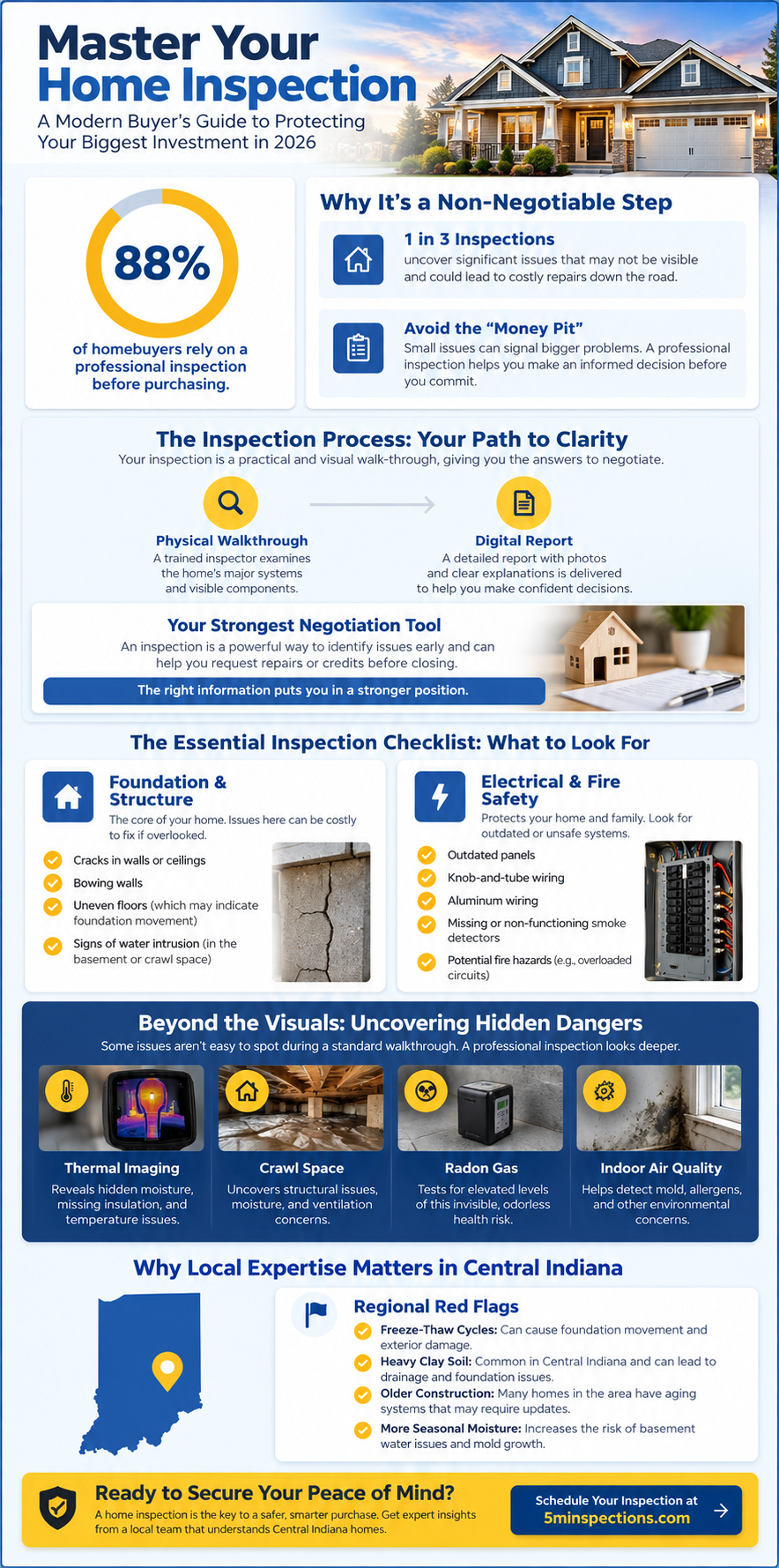
The inspection contingency is your most powerful negotiation tool in a real estate contract. Data from 2023 shows that 88% of U.S. homebuyers requested an inspection, and 76% of sellers agreed to make repairs afterward. This window allows you to walk away or renegotiate if major defects appear. The process moves quickly. After the physical walkthrough, which usually takes two to four hours, you should expect a detailed digital report within 24 hours. Modern reports include high-resolution photos and video, giving you a clear roadmap for your next steps.
The “Visual Only” Standard: What It Means for You
Standard inspections follow a “visual only” protocol. This means an inspector cannot tear into walls or dig up underground lines. If you only rely on a surface-level look, you might miss “invisible” risks. For example, a clean visual report won’t reveal a collapsed pipe five feet underground. Knowing what to look for during a home inspection involves understanding where the visual standard ends and where specialized diagnostic testing begins. Professional inspectors use modern tools to bridge this gap, including:
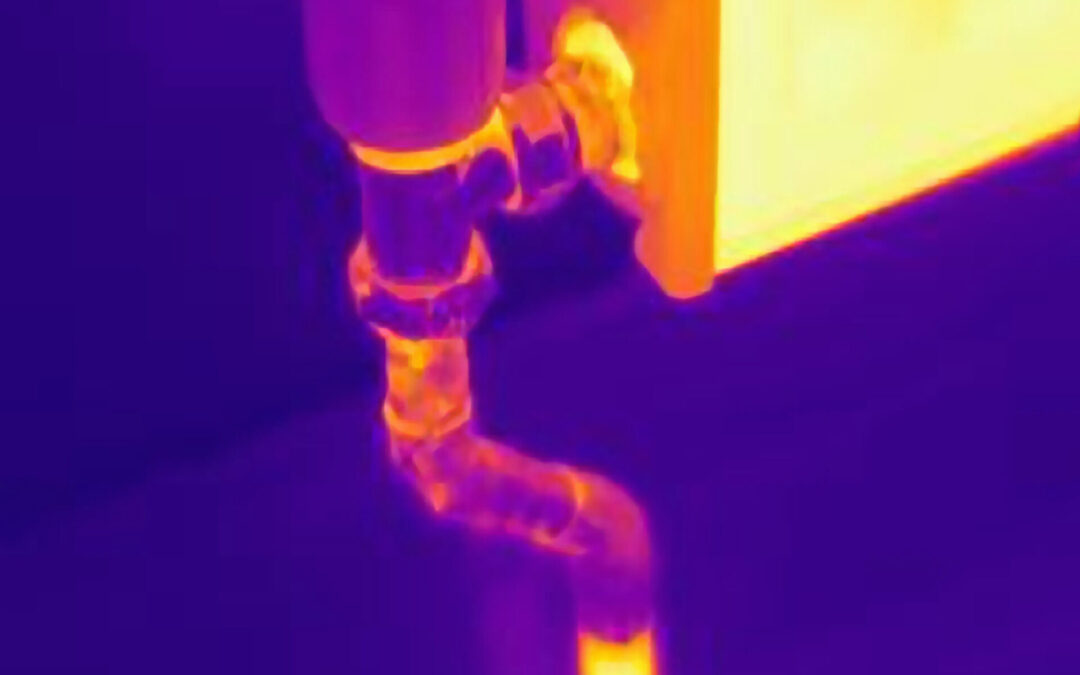
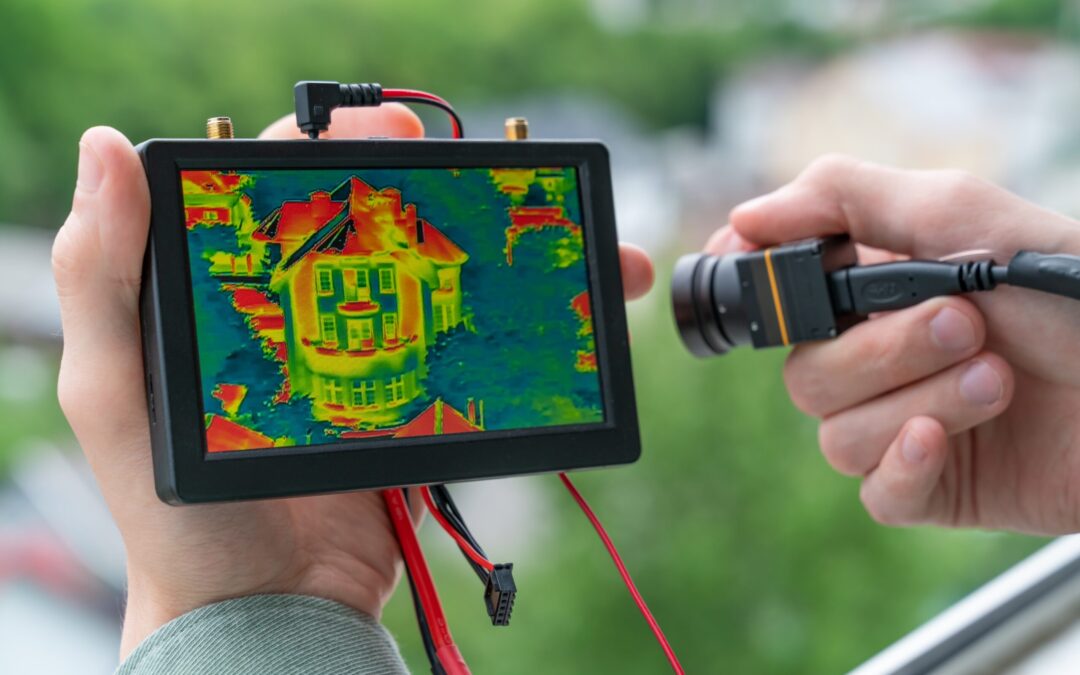
- Thermal imaging to detect hidden moisture or insulation gaps.
- Gas leak detectors for furnace and water heater safety.
- Moisture meters to confirm active leaks in basements.
Why Local Expertise Matters in Indianapolis and Carmel
Central Indiana presents unique challenges for homeowners. Our intense freeze-thaw cycles put immense stress on exterior siding and masonry. In areas like Indianapolis and Carmel, moisture trapped behind stone veneer can lead to structural rot if not caught early. Similarly, buyers in Westfield and Fishers often face specific issues with rapid new construction. Whether it’s improper attic ventilation or foundation settling in freshly turned soil, a local expert knows which regional red flags to prioritize. This localized knowledge ensures you aren’t just buying a house; you’re securing a safe home for the long term.
The Essential Home Inspection Checklist: Major Systems and Structure
A house is more than just walls and a roof. It’s a complex network of interconnected systems that must work in harmony to keep your family safe. When you’re walking through a potential home, it’s easy to get distracted by the granite countertops or the open floor plan. However, understanding what to look for during a home inspection allows you to focus on the “bones” of the property. A comprehensive home inspection checklist serves as your roadmap, ensuring that no critical safety component is overlooked during the evaluation process.
Foundation and Structural Health
Central Indiana sits on heavy clay soil. This soil acts like a sponge, expanding when it rains and shrinking during our dry summer spells. This constant movement can lead to significant structural stress. While small hairline cracks are often just cosmetic settling, you should watch for “step cracks” that follow the mortar lines in brickwork. These often signal active foundation movement. For houses with a crawlspace, the foundation inspection involves checking for dampness, wood rot, and proper support pier placement. If you see standing water or a musty smell in the basement, it’s a clear sign that the drainage system is failing.
Electrical and Fire Safety Red Flags
Safety starts with the electrical system, as defects here are a leading cause of residential fires. We look for “double-tapped” breakers, which occur when two wires are improperly connected to a single circuit breaker. This can cause overheating and potential failure. We also test every GFCI outlet in high-moisture areas like kitchens and bathrooms. These outlets are designed to shut off power instantly if they detect a ground fault, preventing electrocution. In older Indianapolis neighborhoods, we pay special attention to recalled electrical panels, such as certain Federal Pacific or Zinsco models, which have a documented history of failing to trip during a power surge.
Roofing issues are also incredibly common. In fact, 29% of home inspections in 2023 uncovered problems with the roof or attic ventilation. We examine the flashing around chimneys and the condition of the shingles to ensure the home is watertight. Finally, we test the HVAC and plumbing systems for functional operation. This includes checking the water heater’s pressure relief valve and ensuring the furnace isn’t emitting dangerous levels of carbon monoxide. Knowing what to look for during a home inspection involves more than just a quick glance; it requires a technical eye for detail. If you want a partner who treats your safety as a personal priority, consider booking a Buyer’s Home Inspection to get a clear, unbiased view of these major systems.
Beyond the Surface: Specialized Testing You Shouldn’t Skip
A standard visual walkthrough is your first line of defense, but it isn’t a catch-all. Many of the most expensive and dangerous home defects exist where the human eye cannot reach. Realizing what to look for during a home inspection means acknowledging that “visual” has limits. To truly protect your family, you must look at the environmental and underground factors that a surface-level report might miss. Specialized diagnostic testing offers the technical certainty that a standard inspection simply cannot provide on its own.
Understanding what to expect during a home inspection is critical for managing your timeline and expectations. While a general assessment covers the roof and foundation, specialized tests like mold sampling or termite (WDI) inspections target silent threats. Termites are a persistent risk in Indiana, often causing thousands in structural damage before you ever see a single insect. Similarly, mold sampling identifies hidden water intrusion behind finished basement walls, preventing respiratory issues before they start. These tests transform an inspection from a simple look-over into a comprehensive safety audit.
Radon Testing: A Central Indiana Necessity
Radon is a colorless, odorless radioactive gas that naturally occurs in our soil. It’s the second leading cause of lung cancer in the United States, yet many buyers overlook it. Central Indiana’s soil composition makes radon testing a non-negotiable safety step for every buyer. Geological formations in Carmel and Westfield are particularly prone to high radon concentrations. We use professional 48-hour continuous monitoring devices that provide far more accurate data than a one-time hardware store kit. For a deeper dive into protecting your family, see our radon testing Carmel Indiana guide.
Sewer Scope Inspections: The Underground Truth
Main sewer line repairs are among the most expensive “surprises” a new homeowner can face. A standard inspection doesn’t look inside the pipes buried deep beneath your lawn. By integrating a sewer inspection, we use high-resolution cameras to navigate the line all the way to the city tap. We look for root intrusion in older clay pipes and “bellies” or collapsed sections in modern PVC. Even in Fishers new construction, we frequently find construction debris or pipe offsets that could cause a backup within months of closing. Knowing what to look for during a home inspection underground saves you from five-figure disasters later.
How to Navigate Inspection Day and Review Your Report
Inspection day is your opportunity to see the property through a technical lens. While you might be tempted to follow the inspector into every crawlspace, it’s often best to arrive during the final 60 minutes of the appointment. This allows the professional to complete their rigorous, non-invasive examination without distraction. When you arrive, bring a notepad and a list of specific concerns you noticed during your initial tour. Your goal is to walk away with a “big picture” understanding of the home’s health before the digital report even hits your inbox.
Modern reports are comprehensive. They often include high-resolution photos, infrared imagery, and even video clips of functional tests. Don’t let a 50-page document paralyze your decision making. Instead, use the “Three-Bucket” method to prioritize the findings. Bucket one includes major safety and structural defects that require immediate negotiation. Bucket two covers deferred maintenance items that you should budget for in the next few years. Bucket three contains minor cosmetic issues. Knowing what to look for during a home inspection report allows you to focus on the items that truly impact your family’s safety and your financial bottom line.
What to Ask Your Inspector During the Walk-Through
The final walk-through is your time to get practical. Ask your inspector to point out the main water shut-off valve and the gas bypass. These are critical for emergency preparedness. Inquire about the “remaining useful life” of big-ticket items like the HVAC system and the roof. While an inspector cannot provide an exact expiration date, they can tell you if a system is nearing the end of its typical cycle; for a more specialized technical review of the furnace or AC, you may want to visit Crome Mechanical. Always ask: “If you were buying this home for your family, which of these findings would be your top priority?” This question cuts through the technical jargon and gets to the heart of the property’s condition.
Prioritizing Repairs: Safety vs. Aesthetics
Negotiation is about leverage and safety. Focus your repair requests on “deal-breakers” such as active mold, structural instability, or fire hazards in the electrical panel. These are the items sellers are most likely to address because they affect the home’s insurability and safety. Conversely, avoid using the inspection report to ask for cosmetic upgrades. Chipped paint, worn carpet, or outdated fixtures are rarely successful negotiation points in the Central Indiana market. Instead, use these minor findings to create a post-closing maintenance roadmap. To ensure you have a clear, professional report to use at the bargaining table, schedule your Buyer’s Home Inspection with a team that treats your investment like their own.
Why a Local, Family-Owned Inspection Matters for Your Peace of Mind
Choosing an inspector is a decision about who you trust to protect your family’s safety. Many national franchises treat property evaluations as a volume game, rushing through checklists to meet a daily quota. At 5M Inspection Services, we operate differently. As a family-owned business deeply rooted in Central Indiana, we view every client as a neighbor. Our reputation isn’t built on a corporate logo; it’s built on the integrity of our reports and the security of the families we serve. We understand the local geography, from the shifting clay soils of Fishers to the aging infrastructure in historic Indianapolis neighborhoods.
When considering what to look for during a home inspection, technical proficiency is only half the battle. You also need a partner who is accessible. We pride ourselves on digital responsiveness, ensuring you can reach us with follow-up questions long after the physical walkthrough ends. While Indiana state law requires inspectors to complete 32 hours of continuing education every two years, our team pursues advanced training in environmental testing and structural analysis to stay far ahead of those basic requirements. This commitment ensures your report isn’t just a document; it’s a professional shield for your investment.
The 5M Advantage: Meticulous and Protective
Our team takes a hands-on, detail-oriented approach to every residential inspection. We don’t believe in “fluff” or filler. Our reporting style is direct and action-oriented, identifying a concern and immediately explaining the risk and the necessary resolution. This precision has earned us recognition as top-rated home inspectors in Westfield and the surrounding Greater Indianapolis area. We treat your potential home with the same level of detail we would apply to our own. When you know what to look for during a home inspection, you realize that a watchful, detail-oriented partner is your greatest asset.
Ready to Secure Your Future Home?
Securing your family’s future shouldn’t be a stressful process. We’ve streamlined our operations to provide total coverage through bundled services. By combining a Buyer’s Home Inspection with specialized Radon Testing and a Sewer Scope Inspection, you get a 360-degree view of the property’s condition. This comprehensive approach eliminates the “invisible” risks discussed earlier in this guide. We offer modern, constant communication to keep you informed at every step of the transaction. Don’t leave your largest investment to chance. Schedule your professional home inspection with 5M today and move forward with the peace of mind you deserve.
Secure Your Investment with Professional Certainty
Mastering what to look for during a home inspection is about more than avoiding a “money pit”; it’s about protecting your family’s future and financial health. You now understand that a visual walkthrough is just the beginning. True peace of mind requires a deep dive into structural integrity and specialized environmental testing. From identifying foundation shifts in our local clay soils to uncovering underground sewer defects, your knowledge is your best defense at the negotiation table. You have the tools to distinguish between minor maintenance and the high-impact failures that demand immediate action.
Since 2019, 5M Inspection Services has served Indianapolis, Westfield, Carmel, and Fishers with meticulous care. As a family-owned business operated by Chris and Morgan Markham, we combine professional authority with the personal investment of a protective neighbor. We use advanced Sewer Scope and Radon Testing technology to ensure no detail is left to chance. You’ve done the research; now let us provide the technical certainty you need to close with confidence. Book Your Comprehensive Home Inspection with 5M Inspection Services today. We look forward to helping you move into your new sanctuary with total clarity.
Frequently Asked Questions
Do I really need a home inspection for a brand-new house?
Yes, new homes often have hidden defects like construction debris in sewer lines or poorly installed attic insulation. Even though the home is brand new, it hasn’t been tested by daily living yet. A New Construction Inspection ensures that the builder met safety standards before you sign the final paperwork. It’s much easier to have the builder fix these issues now than to fight for warranty repairs later.
How long does a typical home inspection take in Indianapolis?
A standard inspection in the Indianapolis area typically takes between two and four hours to complete. This timeframe varies based on the square footage, the age of the property, and the complexity of its systems. Older homes in neighborhoods like Broad Ripple may take longer due to historical additions or outdated wiring. We recommend planning for at least three hours to ensure a thorough, meticulous evaluation of the property.
What are the most common home inspection deal-breakers?
Major structural failures, active mold growth, and significant fire hazards are the most frequent deal-breakers for buyers. These issues impact the home’s safety and your ability to secure insurance. While cosmetic wear is expected, a cracked foundation or a recalled electrical panel often leads to a renegotiation. Understanding what to look for during a home inspection helps you stay focused on these high-priority safety concerns rather than minor wear.
Can a house fail a home inspection?
No, a house cannot technically fail a home inspection because it isn’t a pass or fail test. The inspector provides an objective report on the property’s current condition at a specific point in time. It’s up to you and your lender to decide if the findings are acceptable. The report serves as a technical roadmap to help you understand the risks and responsibilities of owning that specific property.
Should I be present during the entire home inspection?
You don’t need to be there for the entire process, but we highly encourage attending the final hour for a walk-through. This allows the inspector to focus on the technical evaluation without distraction. During the last 60 minutes, we can demonstrate how systems work and point out specific findings in person. This face-to-face interaction provides a level of clarity that a written report alone cannot match.
How much does a sewer scope inspection cost compared to a main line repair?
A sewer scope inspection is a minor preventative cost compared to the five-figure expense of a main line replacement. Digging up a yard and replacing underground pipes can cost ten thousand dollars or more depending on the depth and location. By using high-resolution cameras to check for root intrusion or collapsed sections now, you avoid inheriting a massive repair bill immediately after you close on the home.
What happens if the inspector finds mold or radon?
If elevated radon levels or active mold are discovered, you can use the report to request professional mitigation or remediation from the seller. Radon is mitigated using a specialized ventilation system, while mold requires professional cleaning and moisture control. These findings don’t have to end the deal. They simply ensure that these health risks are addressed by a certified professional before your family moves into the home.
How do I choose between different home inspection companies?
Look for a company that prioritizes local ownership and modern technology over corporate volume. A family-owned business often provides a more protective, detail-oriented service than a national franchise. Ensure the company uses advanced tools like thermal imaging and provides clear, digital reports. Knowing what to look for during a home inspection includes finding a partner who offers constant accessibility and is deeply invested in the Central Indiana community.