What if the “perfect” home you’re about to buy is actually hiding structural shortcuts that could cost you thousands in the next five years? It’s easy to assume that a fresh build means zero defects, but the reality of the 2026 Indianapolis market is much more complex. You likely feel a mix of excitement and deep-seated anxiety about what might be lurking behind that pristine drywall. It’s natural to want to trust your builder, yet you can’t shake the fear that “code-minimum” isn’t enough for your family’s safety.
A professional new construction inspection Indianapolis ensures your investment is truly sound before you sign the final papers. We understand that navigating builder warranties and the recent July 2026 Indiana building code changes can feel overwhelming. This guide will show you why “new” rarely means “perfect” and how a phased inspection strategy protects you from hidden errors. We’ll break down these regulatory shifts, clarify the difference between municipal and private inspections, and give you the confidence to address defects with your builder before they become your problem.
Key Takeaways
- Understand the “Code vs. Quality” gap and why a municipal pass doesn’t guarantee a defect-free home.
- Learn how a phased new construction inspection Indianapolis protects your home’s “bones” before foundation and drywall hide critical errors.
- Identify the most common structural and HVAC defects found in Central Indiana’s rapid development market.
- Gain professional strategies for managing your builder relationship to ensure inspections happen without delaying your closing date.
- Discover how advanced technology like sewer scopes and thermal imaging reveals hidden issues that standard visual checks miss.
Why New Construction Needs a Professional Eye in Indianapolis
Many buyers believe a brand-new home is a flawless home. In reality, a new construction inspection Indianapolis serves as a vital third-party quality audit. It’s the only way to ensure the builder’s work meets your expectations, not just the city’s baseline requirements. While you might expect the municipal inspector to catch everything, their role is limited. They focus on safety and basic compliance, often spending only fifteen to twenty minutes on a site. Our process is different. We dive deep into the structural integrity and mechanical systems before they are hidden forever behind drywall and paint.
The ‘Code Minimum’ Trap
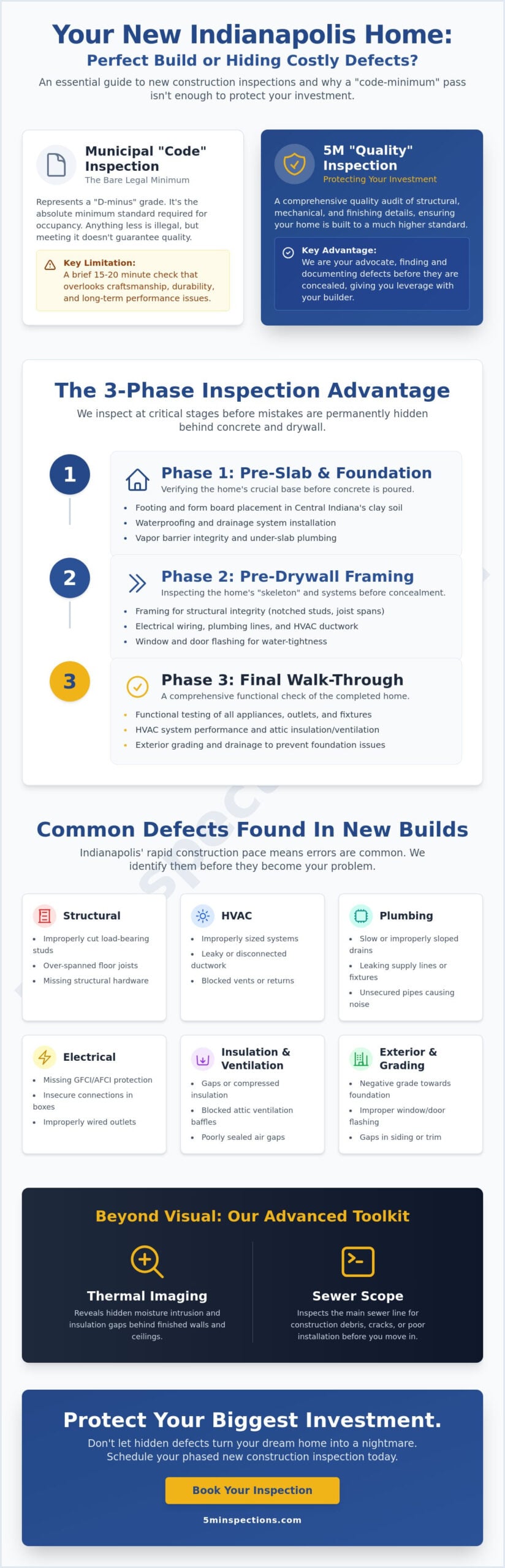
Building codes represent the absolute minimum legal safety standards required to occupy a structure. It’s essentially a “D-minus” grade. If a builder does anything less, it’s illegal; if they do exactly that, it’s just barely acceptable. You deserve a home built to a higher standard than the bare legal limit. Many quality issues are perfectly legal but will cause headaches later. For instance, floor joists might meet code for weight but still feel “bouncy” when you walk. Gaps in insulation or poorly sealed windows might pass a cursory municipal glance but will spike your utility bills in our humid Indiana summers. We look for these quality gaps that city inspectors simply don’t have the mandate to flag.
Builder Oversight in a Fast-Paced Market
Indianapolis was named a top 10 housing “hot spot” for 2026, leading to a surge in building permits throughout Central Indiana. This rapid pace, combined with ongoing labor shortages, puts immense pressure on construction crews. Site supervisors often manage dozens of builds simultaneously. It’s physically impossible for them to catch every loose bolt or improperly flashed window. Mistakes happen when teams are rushed or when subcontractors change mid-project. An independent new construction inspection Indianapolis professional acts as your dedicated advocate. We aren’t there to meet a quota or stay on a builder’s tight production timeline. We are there to protect your family and your financial investment. Understanding what a home inspection entails during the build process gives you the leverage to demand corrections before they become permanent defects.
The 3-Phase Inspection Process: From Foundation to Final
A professional new construction inspection Indianapolis isn’t a single event. It’s a series of strategic audits timed to the most critical points of the build. Timing is the most vital element of this process. If you wait until the final walkthrough to hire an inspector, you’ve already missed the opportunity to see the home’s skeleton. We work around the builder’s timeline to ensure we’re on-site before the concrete is poured and before the drywall is hung. This phased approach provides a level of oversight that a single final inspection simply can’t match.
Crucial Hidden Items: Phases 1 and 2
Phase 1 is the pre-slab or foundation inspection. In Central Indiana, our heavy clay soil expands and contracts with moisture. This movement puts immense pressure on your foundation. We verify that the footings are correct and that the waterproofing and drainage systems are installed to handle local soil conditions. Phase 2, the pre-drywall inspection, happens once the framing, electrical, and plumbing are roughed in. This is our last chance to see the “nervous system” of the home.
We look for structural red flags like over-spanned joists or studs that have been notched too deeply by subcontractors. If a plumber cuts a load-bearing stud to fit a drain pipe, it compromises the wall’s integrity. These are the errors that lead to sagging floors and mysterious wall cracks years later. We also verify that all electrical connections are secure and that plumbing lines are properly supported. Catching these mistakes now is simple. Fixing them after the drywall is up is an expensive nightmare.
The Move-In Ready Check: Phase 3
The final phase occurs when the home is finished. We conduct functional testing on every major system, from the HVAC to the kitchen appliances. We ensure the heating and cooling systems are sized correctly for our erratic Indianapolis weather. We also spend significant time in the attic. We verify that insulation levels meet modern standards and that ventilation baffles aren’t blocked. Without proper airflow, your roof life is significantly shortened.
Exterior grading is the final piece of the puzzle. We ensure the ground slopes away from the foundation on all sides. In our region, poor grading is the primary cause of basement flooding and foundation erosion. If you’re ready to ensure your builder hasn’t cut corners, scheduling a new construction inspection is the most effective way to protect your new investment. We provide the technical clarity you need to move in with total confidence.
Common Defects Found in Central Indiana New Builds
Even in the most prestigious subdivisions, speed often trumps precision. During a new construction inspection Indianapolis professionals frequently find that rapid development leads to overlooked technical details. These aren’t just cosmetic flaws. They are functional failures that compromise your safety and your wallet. Mistakes are often buried, literally, beneath the surface of your new home. Identifying these issues before you close is the only way to hold a builder accountable for their work.
Structural Red Flags and Framing Failures
Electrical shortcuts are a common sight in fast-paced builds. We often find “double-tapped” breakers, where two circuit wires are connected to a single breaker designed for only one. This creates a significant fire risk and is a clear violation of safety standards. Framing also requires a meticulous eye. Standard residential construction typically requires 16 inches between wall studs to ensure proper load distribution and wall stability. When builders stretch this spacing or use warped lumber to save on material costs, it leads to structural instability and wavy walls.
Settling is another major concern in our region. You should consult our foundation inspection guide to learn how to spot early signs of structural distress. Indiana’s heavy clay soil is notorious for shifting, and if the foundation wasn’t poured or reinforced correctly, those early settling signs will appear much sooner than they should.
Environmental and Underground Risks
Our local climate presents unique challenges. Indianapolis experiences extreme temperature swings that put massive stress on mechanical systems. We often find HVAC units that are improperly sized for the home’s square footage. An undersized unit will run constantly in July, while an oversized unit will fail to dehumidify the air, leaving your brand-new home feeling clammy and uncomfortable.
Many buyers assume new homes are sealed against environmental threats. This is a dangerous misconception. High levels of radon gas are prevalent throughout the region, making radon testing Carmel Indiana essential for every new build. Radon doesn’t care about the age of your home. It seeps through foundation cracks and porous concrete regardless of the construction date. It’s a silent risk that only a professional test can reveal.
Underground risks are equally concerning. New sewer lines are notorious for containing construction debris. We’ve scoped lines only to find bricks, chunks of wood, and even hardened concrete left behind by careless crews. This debris acts as a dam, causing backups within months of move-in. Finally, don’t ignore the crawlspace. If it isn’t properly encapsulated, Indiana’s high humidity will lead to mold growth before you’ve even unpacked your first box. We ensure these hidden areas are dry, sealed, and safe for your family.
Navigating the Builder-Inspector Relationship
It’s common to feel a bit of tension when introducing a third-party inspector into a builder’s workflow. You might worry about slowing down the project or offending the site supervisor. Remember, this is your investment. A professional new construction inspection Indianapolis isn’t about finding fault for the sake of it; it’s about ensuring the home you’re paying for is the home you actually receive. Most reputable builders in Central Indiana welcome an extra set of eyes because it reduces their future liability, but you still need a clear communication plan.
Scheduling and Communication Strategies
Success depends on proactive timing. You shouldn’t wait for the builder to tell you they’re ready. Instead, keep a close watch on the construction schedule and notify 5M Inspection Services at these key milestones:
- Phase 1 (Pre-Slab): Contact us at least two weeks before the concrete pour.
- Phase 2 (Pre-Drywall): Call us as soon as the roof is on and the rough-ins (electric/plumbing) begin.
- Phase 3 (Final): Schedule this 10 days before your final builder walkthrough.
When you notify your builder, be direct and professional. You might say, “For my own peace of mind and long-term documentation, I’ve engaged 5M Inspection Services to perform a third-party quality audit at each major stage.” If a builder pushes back by saying the city has already inspected the home, simply remind them that you want a comprehensive review that goes beyond “code minimum” safety. Once the report is issued, use it as your definitive punch-list. Ensure every agreed-upon repair is confirmed in writing via email or a signed addendum before you head to the closing table.
The 11th-Month Warranty Inspection
Your protection shouldn’t end on move-in day. The 11th-month warranty inspection is your final safety net before your builder’s one-year labor and materials warranty expires. Every new home settles during its first four seasons. In our region, the extreme freeze-thaw cycles of an Indiana winter can reveal foundation shifts, drywall cracks, or roof leaks that weren’t apparent during the initial build. This is your last chance to have the builder cover the cost of these repairs.
We recommend homeowners keep a running log of minor issues throughout their first year, such as “phantom” floor squeaks, sticking doors, or mysterious drafts. Our inspectors will take that log and perform a full technical assessment of the home’s current state. We provide a professional report you can hand directly to the builder’s warranty department. To ensure your home is performing exactly as it should, schedule your phased inspection today and secure the expert advocacy you deserve.
Protecting Your Investment with 5M Inspection Services
Choosing the right partner for your new construction inspection Indianapolis is about more than just checking boxes. It’s about finding professionals who take your family’s safety seriously and approach every inspection with care and integrity. At 5M Inspection Services, we bring professional expertise and personalized service to every inspection, helping you protect your investment and feel more confident about your new home. We don’t operate like a national franchise. We are local experts who live and work in the same neighborhoods we inspect. Our service area covers the entire metro region, including Indianapolis, Westfield, Carmel, and Fishers. This local focus ensures we understand the specific environmental challenges and builder habits unique to Central Indiana.
Our reporting process prioritizes your time and your clarity. We deliver comprehensive data in a clear, punchy format that you can hand directly to your builder. We avoid unnecessary fluff, focusing instead on actionable findings backed by high-resolution imagery. You need to know exactly what is wrong, why it matters, and what the builder must do to fix it. This level of detail provides the technical leverage required to ensure your home is finished to the highest possible standard.
Our Meticulous Phased Approach
We approach every project with a calculated blend of professional authority and familial warmth. Our team acts as a protective, community-oriented neighbor who happens to have advanced technical expertise. We understand that buying a home is stressful. Our goal is to alleviate that stress by providing informed decision-making tools. You can explore our home inspectors guide to see the full breadth of our technical offerings and how we maintain our rigorous standards across every phase of construction.
Beyond the Basics: Specialized Testing
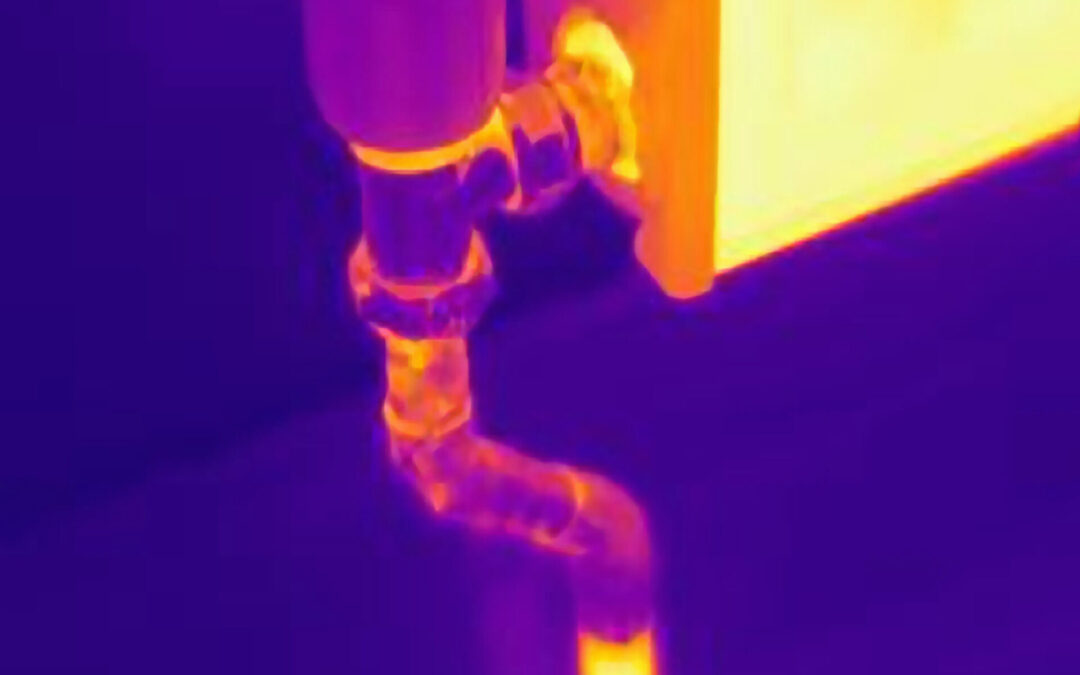
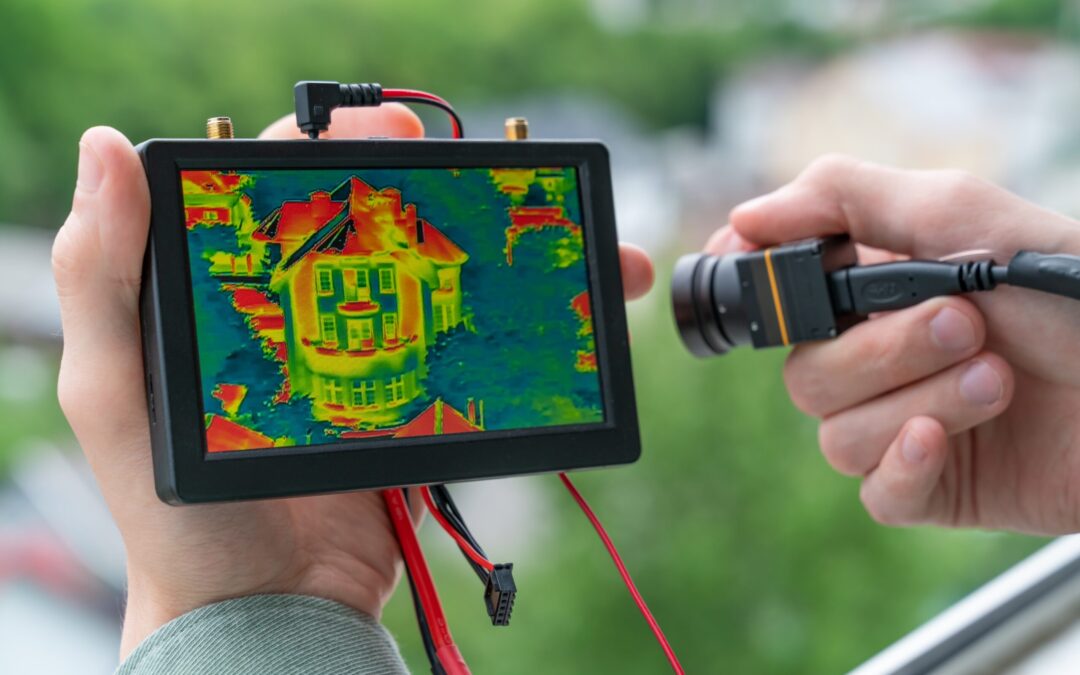
Modern homes require modern diagnostic tools. We utilize advanced technology like thermal imaging to identify hidden moisture intrusion and insulation voids that a standard visual inspection would miss. We also emphasize the importance of looking underground. We strongly recommend a sewer inspection for every new build. It is the only way to confirm that construction debris hasn’t compromised your main waste line before you take ownership.
Environmental safety is another cornerstone of our service. For homes with damp crawlspaces or basements, our mold sampling Indianapolis services provide the scientific data needed to ensure your indoor air quality is safe. The 5M promise is rooted in certainty. We provide a detailed evaluation that protects your financial investment and your family’s well-being. When you choose 5M for your new construction inspection Indianapolis, you’re choosing a partner who stays watchful and detail-oriented from the foundation pour to the final walkthrough.
Secure Your Future in Your New Indianapolis Home
Your brand-new home represents a significant life milestone. It deserves more than a cursory glance from a busy municipal inspector. A comprehensive new construction inspection Indianapolis provides the technical certainty you need to move in with total peace of mind. By catching structural errors during the pre-drywall phase and identifying mechanical failures before your warranty expires, you protect your family and your financial future. You’ve worked hard for this investment; don’t let hidden builder shortcuts compromise your security.
Since 2019, 5M Inspection Services has operated as a family-owned partner for Central Indiana homeowners. We are certified experts in vital specialized testing, including radon and sewer scope evaluations. Our team delivers detailed, same-day reporting to match the fast-paced nature of modern builds. We don’t just provide a service; we offer a point of professional integrity and a commitment to your long-term safety. We stay watchful so you don’t have to worry about what’s behind your walls.
Schedule Your Indianapolis New Construction Inspection with 5M Today and let us be your dedicated advocate. We look forward to helping you start this new chapter with confidence and clarity.
Frequently Asked Questions
Is a new construction inspection worth it if I have a builder warranty?
A new construction inspection Indianapolis is absolutely worth it because it identifies defects before they become your legal responsibility. Builder warranties are reactive and often involve long wait times or invasive repairs that disrupt your daily life. By catching errors now, you ensure the builder fixes them on their schedule and budget. It’s about securing a quality build from day one rather than fighting for warranty claims later.
When should I schedule my pre-drywall inspection?
You should schedule this inspection immediately after the framing is complete and the electrical, plumbing, and HVAC systems are roughed in. This narrow window occurs after the municipal rough-in pass but before insulation is installed. It’s the last time the home’s “bones” are visible to the naked eye. We recommend staying in close contact with your site supervisor to catch this specific 48 to 72 hour window before the walls are closed.
Can a builder refuse to let my home inspector on the site?
Builders rarely refuse third-party inspectors, but they often require them to be certified and carry specific insurance. Your purchase contract usually dictates the terms of site access and independent oversight. It’s best to notify your builder early in the process of your intent to hire an independent professional. This transparency prevents friction and ensures your inspector is welcomed as a collaborative partner in the quality control process.
What are the most common things found during a new build inspection in Indianapolis?
We frequently find damaged roof trusses, missing attic baffles, and improper exterior grading that directs water toward the foundation. In the rapid Indianapolis market, subcontractors sometimes overlook technical details like proper flashing around windows or secure electrical connections. These aren’t just cosmetic issues; they impact the long-term structural health and energy efficiency of your home. Identifying these early prevents expensive failures after you move in.
Does the city inspector check the same things as a private inspector?
City inspectors focus exclusively on minimum safety codes, while private inspectors evaluate overall quality and functional performance. A municipal inspector might spend twenty minutes checking for basic life-safety violations to grant a permit. Our private new construction inspection Indianapolis takes several hours to scrutinize every system. We look for the “quality gaps” that are legal by code but will lead to high utility bills or premature mechanical wear.
Should I get a radon test for a brand-new home?
Yes, you should always test a new home for radon because this radioactive gas enters through the foundation regardless of the home’s age. Indianapolis and the surrounding Central Indiana counties are known for high radon concentrations in the soil. Even if your builder installed a passive mitigation system, it’s vital to verify it’s actually working. A professional test is the only way to ensure your family’s indoor air is safe.
What happens if my inspector finds a major issue during construction?
If a major issue is discovered, your inspection report serves as a formal punch-list for the builder to address before the next construction phase begins. Most contracts require the builder to deliver a home that meets specific industry standards. You should present the findings to your site supervisor and request a written commitment for the repairs. This documentation is your strongest leverage to ensure the work is completed correctly before closing.
How much time does a new construction inspection take?
Each phase of a new construction inspection typically takes between two and four hours to complete. The duration depends on the size of the home and the specific phase being evaluated. A pre-drywall check might move faster than a final inspection, which involves testing every appliance, fixture, and outlet. We prioritize thoroughness over speed to ensure every technical detail is documented for your final report.