Your home inspection found several problems. The seller agreed to make repairs. Now closing is approaching, and you have one more question: How do you know the repairs were actually completed correctly?
A final walk-through gives you an opportunity to see whether the property is generally in the expected condition, but it is not the same as having repaired items evaluated by a home inspector.
For many home buyers in Indianapolis, a home reinspection can be worthwhile when repairs involve roofing, electrical systems, plumbing, HVAC equipment, moisture concerns, structural components, or other items that are difficult to evaluate just by looking at them.
At 5M Inspection Services, we view a reinspection as a way to close the loop on important findings from your original inspection before you take ownership of the home.
What Is a Home Reinspection?
A home reinspection is a focused follow-up to the original residential home inspection.
Instead of inspecting the entire property again, the inspector returns to review specific items that were identified in the first report and later repaired or addressed by the seller.
The inspector may compare the current condition with:
- The original inspection report
- The agreed-upon repair items
- Visible completed work
- Operation of repaired components when accessible
- Documentation supplied for repairs
A reinspection is not a guarantee that a repair will never fail. It also does not turn the home inspector into the contractor who performed the work or the local building official.
The purpose is to provide an independent second look at the repaired areas that are visible and accessible at the time of the follow-up inspection.
Should Seller Repairs Be Reinspected Before Closing?
Often, yes, especially when the repair is significant, safety-related, expensive, or difficult for you to evaluate yourself.
A loose cabinet handle is pro bably something you can check during your final walk-through. A repaired electrical panel, roof leak, plumbing problem, or foundation concern is different.
A reinspection may be particularly helpful when:
- The original finding involved a safety concern
- The repair affects a major home system
- Water or moisture was involved
- The work is difficult to see or understand
- Several repairs were requested
- You are unsure whether the repair addressed the original problem
- A specialist recommended corrective work
- The repair could affect other parts of the home
The goal is not to find reasons to delay your closing. It is to understand the condition of the repairs before the home becomes your responsibility.
What Is the Difference Between a Reinspection and a Final Walk-Through?
These two steps serve different purposes.
During your final walk-through, you are generally checking that the home is in the expected condition before closing. You may confirm that agreed-upon items are present, that the property has not been damaged since your last visit, and that obvious repairs appear to have been completed.
A reinspection is more focused on the findings from the original home inspection.
For example, you may be able to see that a seller replaced an outlet during your walk-through. An inspector can take a closer look at the repair and evaluate the accessible component within the scope of an inspection.
Similarly, you may see new shingles on a roof but not know whether the original flashing concern was addressed.
Think of the walk-through as your final look at the property and the reinspection as a technical follow-up on specific inspection findings.
What Seller Repairs Are Worth Rechecking?
Not every repair needs another inspection. We recommend paying the most attention to repairs where an incomplete correction could leave you with a larger problem after closing.
Roof and Exterior Repairs
Roof leaks, damaged flashing, drainage problems, missing shingles, and exterior water-entry concerns are good examples.
After repairs, an inspector can look at accessible areas related to the original finding and determine whether there are visible signs that the condition remains.
Keep in mind that a reinspection takes place at a specific moment. A roof repair that only leaks during certain weather may require additional monitoring or specialist evaluation.
Electrical Repairs
Electrical findings deserve careful attention because some repairs are difficult for a buyer to evaluate visually.
Examples may include improperly wired outlets, missing protection devices, damaged components, or concerns within an electrical panel.
If a condition requires work beyond the scope of a home inspection, we may recommend documentation from the electrician or further evaluation by a qualified electrical professional.
Indiana regulates home inspectors through the state’s Home Inspectors Licensing Board, and compensated home inspections generally require an Indiana home inspector license.
Plumbing Repairs
Seller repairs may involve leaking fixtures, drain problems, water-pressure concerns, damaged piping, or evidence of previous moisture.
During a follow-up, an inspector can review accessible repairs and operate relevant fixtures when appropriate.
If the original problem involved the underground sewer lateral, a standard visual reinspection may not be enough. A sewer scope camera inspection can provide video of the accessible sewer line and help evaluate conditions such as blockages, damage, root intrusion, and pipe separation. 5M offers sewer scope inspections throughout the greater Indianapolis and Central Indiana area.
HVAC Repairs
Heating and cooling repairs can range from a small service correction to replacement of major equipment.
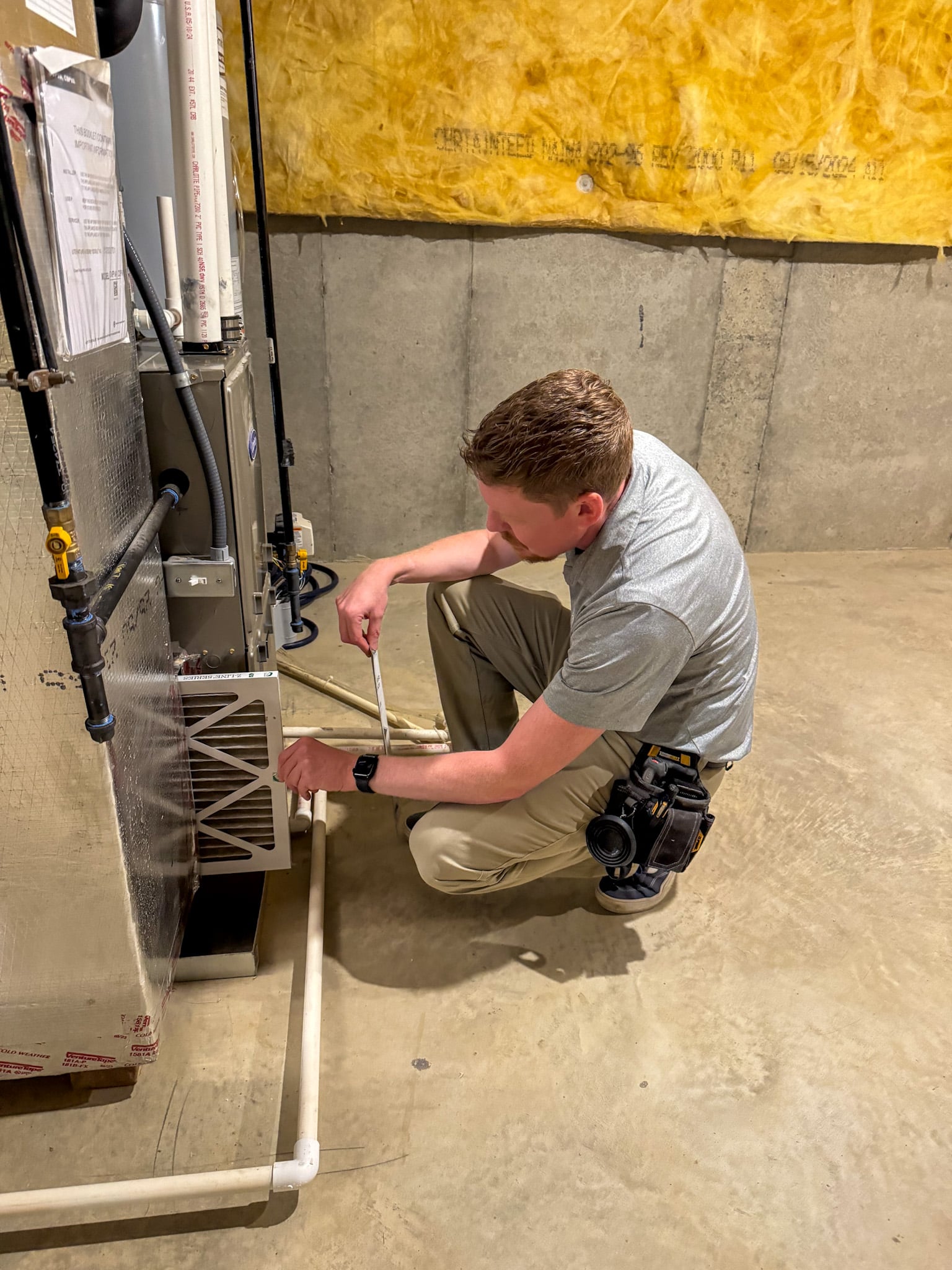
If the seller agreed to address an HVAC finding, the reinspection may include operating accessible equipment under appropriate conditions and reviewing the original concern.
A home inspector is not performing an HVAC contractor’s service call, so some findings may still require documentation or evaluation from a qualified HVAC professional.
Moisture or Structural Concerns
Repairs involving water intrusion, foundation movement, damaged framing, or other structural conditions may deserve particular attention.
These problems can involve more than the visible repair. If the original inspection recommended evaluation by a structural engineer, roofer, plumber, foundation specialist, or another qualified professional, follow through with that recommendation rather than relying on a general reinspection alone.
What Happens During a Home Reinspection?
A reinspection is usually much more focused than your original inspection because we are not starting over and evaluating every system in the house.
The process generally begins with the original inspection report and the list of repairs that were completed.
For each item, the inspector may:
- Locate the original condition.
- Review the visible repair.
- Operate the repaired component when appropriate.
- Look for signs that the original concern remains.
- Note anything that cannot be fully evaluated.
- Document the current condition.
The exact scope depends on the repair.
Whenever possible, ask the seller for invoices, receipts, warranties, permits when applicable, and documentation identifying who completed the work. Those records can provide information that a visual inspection alone cannot.
Should You Use the Same Inspector for the Reinspection?
There can be an advantage to using the inspector who performed your original home inspection.
That inspector has already seen the condition firsthand and knows why it was reported. They can compare the repair with their original photos and notes rather than learning the history from scratch.
If the original inspector is unavailable, another qualified inspector may still be able to perform the follow-up. Make sure they receive the original report and a clear list of the repairs you want reviewed.
5M Inspection Services is a family-owned inspection company based in Westfield and serves home buyers, sellers, and homeowners throughout Indianapolis and surrounding Central Indiana communities.
What If a Repair Still Does Not Look Right?
A reinspection does not decide the contract issue for you. It documents what the inspector can observe.
If an agreed-upon repair appears incomplete, the original condition is still present, or further evaluation is recommended, share the findings with your real estate agent.
Depending on your purchase agreement and the circumstances, you may need to discuss whether additional work, documentation, specialist evaluation, or another solution is appropriate before closing.
Your inspector’s role is to provide useful information about the condition of the property. Questions about contractual rights and obligations should be handled with the professionals advising you on the transaction.
Final Thoughts
When a seller agrees to make repairs, you should not have to guess what happened between the original inspection and closing.
A home reinspection in Indianapolis can help you understand whether important repairs appear complete, whether the original concern is still visible, and whether additional professional evaluation may be needed.
At 5M Inspection Services, our goal is to give you clear, practical information so you can make an informed decision about the home. We provide residential home inspections and specialty inspection services throughout Indianapolis, Westfield, Carmel, Fishers, Noblesville, Zionsville, and surrounding Central Indiana communities.
If closing is approaching and you have questions about repairs from your original inspection, contact 5M Inspection Services to discuss the appropriate follow-up inspection for your repair list.
Frequently Asked Questions
How long does a home reinspection take?
It depends on the number and complexity of the repairs. A reinspection is usually more focused than the original inspection because only specific items are being reviewed rather than the entire home.
Does every seller repair need to be reinspected?
No. Simple cosmetic repairs may be easy to confirm during your final walk-through. A reinspection becomes more valuable when repairs involve major systems, safety concerns, moisture, roofing, electrical components, plumbing, HVAC equipment, or structural conditions.
Can a home inspector guarantee that a repair was done correctly?
No. An inspector can evaluate visible and accessible conditions at the time of the reinspection, but cannot guarantee future performance or see every part of a concealed repair.
What should I bring to the reinspection?
Make sure the inspector has the original inspection report and the final repair list. Repair invoices, receipts, warranties, permits, contractor documentation, and photographs may also be useful.
Should I still do a final walk-through after a reinspection?
Yes. They serve different purposes. A reinspection focuses on specific inspection findings, while your final walk-through allows you to look at the overall condition of the home shortly before closing.
What if a sewer repair was completed?
Consider having the sewer line rescoped when the original problem involved a condition inside the lateral line. Video inspection can provide a much clearer view of an underground repair than a standard visual home inspection.