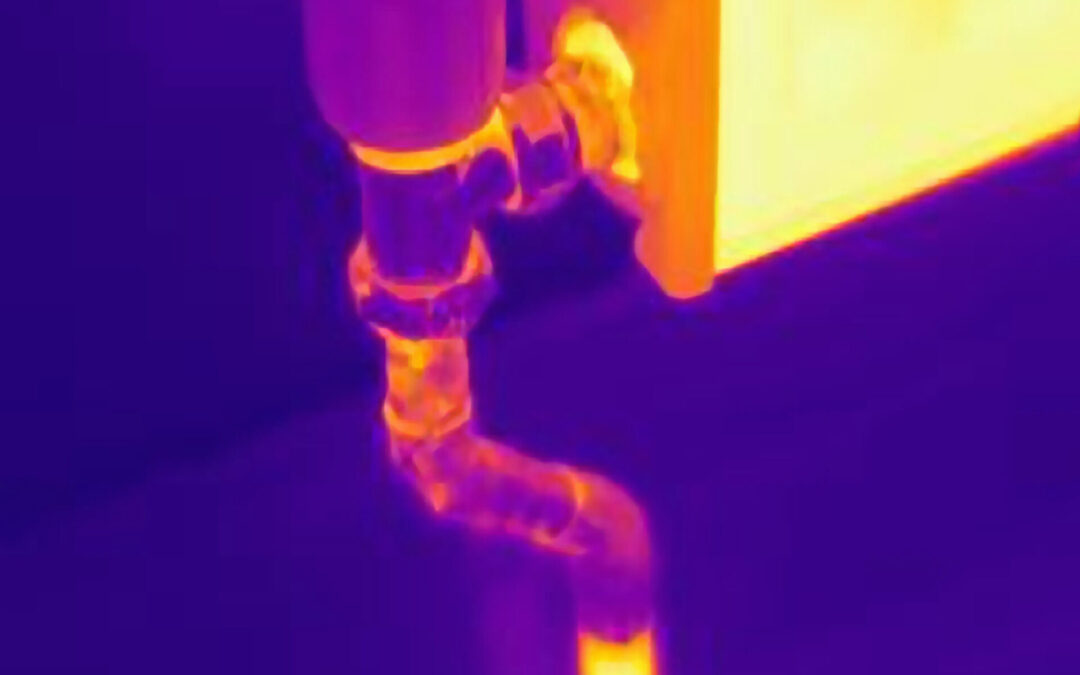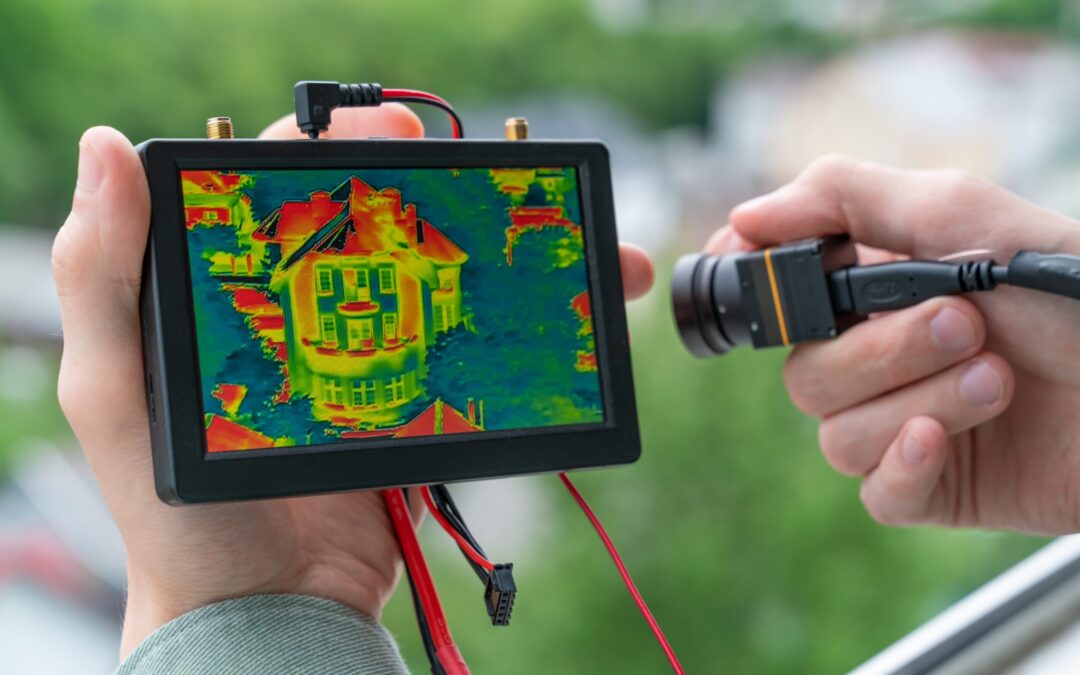
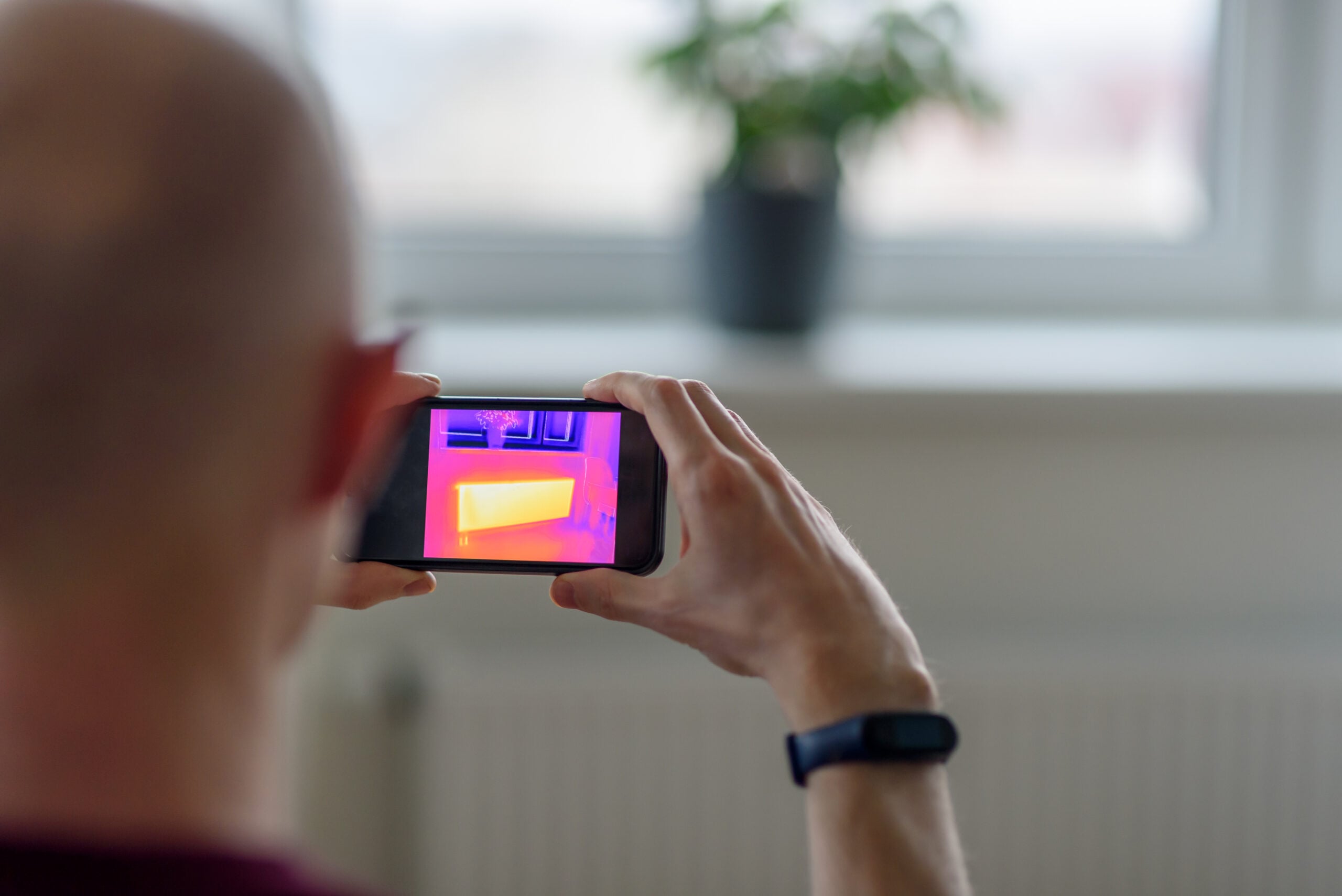
A regular camera records light. A thermal imaging camera records heat. That single difference explains why infrared tools have become standard equipment on many professional inspection trucks. Every object with a temperature above absolute zero radiates infrared radiation, and a thermal imaging camera detects that radiation and converts it into a visual image a person can read. What makes thermal imaging cameras useful in a house is not the picture alone. It is the information sitting inside the picture, waiting to be interpreted.
How a Thermal Imaging Camera Turns Heat Into Actionable Information
A thermal imaging camera, sometimes called an IR camera or infrared camera, does not rely on visible light the way a smartphone or a digital SLR does. Instead, the device detects infrared radiation, which is heat. Because all objects above absolute zero emit infrared radiation, the camera can build an image from temperature data that no human eye can see.
The camera also functions as a non-contact temperature measurement tool. It transforms invisible infrared rays into actionable intelligence, which means an inspector can compare the temperature of one surface against another without ever touching either one. Inside a building, those comparisons are frequently more revealing than a photograph of the same spot would be.
Why Temperature Differences Matter Inside a House
Buildings are supposed to manage heat in predictable ways. Insulation slows the movement of heat. Electrical components warm up as current passes through them but should stay within a normal range. When something disrupts those patterns, the result usually shows up as a temperature difference, and a thermal imaging camera is built to see exactly that.
Industry guidance is direct on the point. A thermal imaging camera is a valuable tool for detecting overheated components, insulation failures, and other potential problems that may not be visible to the naked eye. The camera does not diagnose the cause by itself. It flags an area where the thermal picture does not match the surrounding surfaces, giving the inspector a reason to look closer and confirm what is actually happening.
Where Thermal Imaging Earns Its Place During an Inspection
Thermal imaging appears in a wide range of applications, from electrical wiring maintenance to responding to the scene of an active house fire. Inside a home inspection, the practical value clusters around a few areas where heat behaves in telling ways.
- Insulation performance: gaps, voids, and uneven coverage often show up as temperature differences across walls, ceilings, and floors.
- Electrical components: an overheated connection or device stands out against cooler surroundings.
- Dark or cluttered spaces: basements, crawlspaces, attics, and garages where a flashlight and a phone camera struggle.
- Room-to-room comparison: two rooms with identical layouts can produce different thermal patterns, which helps an inspector narrow down where to look next.
None of those readings should be treated as a final answer on its own. They are starting points, and the real value comes from what an experienced inspector does with them.
Thermal Cameras Keep Working When Other Cameras Give Up
Thermal cameras maintain their detection capabilities in complete darkness, through light fog, smoke, dust, and light precipitation. That set of conditions describes plenty of real inspection environments. An inspector can keep scanning through a crawlspace, an unlit mechanical area, or a dusty attic without waiting for better lighting to arrive.
Anyone who has tried to photograph a dim attic corner with a phone understands the difference. A thermal camera is not fighting the lighting, because lighting is irrelevant to what it measures. The tool reads heat, and heat is present whether the lights are on or off.
The Limits of Thermal Imaging
Thermal imaging is a diagnostic aid, not a replacement for a complete inspection. A thermal image shows surface temperature differences, and interpreting those differences takes training, context, and an understanding of how a particular building is constructed and operating. The same wall can look different depending on the conditions at the time of the scan, which is why the tool works best in the hands of someone who inspects buildings regularly.
The findings also need verification. A warm patch on a ceiling is an observation, not a conclusion, and a responsible inspector will confirm what the camera suggested using other methods before writing anything into a report. Buyers should treat thermal images as evidence worth investigating rather than as a final verdict on a home’s condition.
How Thermal Imaging Fits Into a Full Home Inspection
5M Inspection Services is a family owned and operated, full-service home inspection company based in Westfield, Indiana, serving buyers, sellers, and homeowners across Central Indiana, including Indianapolis, Carmel, Fishers, Noblesville, and Zionsville.
Thermal imaging is one layer of a broader evaluation. The company’s service list also includes radon testing, sewer scopes, new construction phase inspections, mold testing, and pool and spa inspections. Together, those services give a buyer or seller a more complete picture than any single tool could provide on its own.
For a buyer, an infrared scan can add information before closing, when there is still time to ask questions and negotiate. For a seller, it can surface items worth addressing before a listing goes live. For a homeowner, it can document how a house is performing as it ages and as systems accumulate wear.
Why the Technology Is Worth Understanding
Thermal imaging is not just a way to capture images on the infrared spectrum. It is a method for seeing what the naked eye cannot capture at all, and the possibilities that come with those images are what make the cameras worthwhile. The same technology that helps an inspector check a wall helps electricians maintain wiring and helps emergency crews respond to a fire. In the right hands, it can save money, prevent a catastrophe, and even save lives.
That sounds like a broad claim, and it holds up because heat is honest. Components that are overheating, insulation that has failed, and surfaces behaving outside their normal range all leave a thermal signature. A camera that can read those signatures gives whoever is holding it a head start on a problem that might otherwise go unnoticed for years.
What to Ask Before You Book a Thermal Inspection
- Is thermal imaging included in the standard inspection, or is it a separate service?
- How are thermal findings documented, and will the images be explained in the report?
- What other tools or services does the company use to confirm what a scan suggests?
- Does the company routinely inspect homes in your area and of your building style?
Because pricing, availability, and the exact scope of services vary from one provider to the next, confirm those details directly with the inspection company before scheduling. A short conversation up front prevents mismatched expectations later, and it gives you a chance to ask how thermal imaging fits into the rest of the inspection.
Frequently Asked Questions
What does a thermal imaging camera actually detect?
A thermal imaging camera detects infrared radiation, which is heat, rather than visible light. Because every object above absolute zero emits infrared radiation, the camera can build an image from temperature data. It also works as a non-contact measurement tool, showing where one surface is warmer or cooler than another. That is what makes it useful for spotting overheated components, insulation failures, and other issues that are not visible to the naked eye.
Can thermal imaging find problems a visual inspection would miss?
Often, yes. A visual walkthrough can miss insulation failures and overheated components that leave no obvious mark on a surface. A thermal camera reveals temperature differences that may point to those issues, giving the inspector a reason to investigate further. The camera itself does not confirm a defect, so findings should be verified with additional inspection methods before any conclusions are drawn.
Does thermal imaging work in the dark or in poor conditions?
Yes. Thermal cameras maintain their detection capabilities in complete darkness, through light fog, smoke, dust, and light precipitation. That makes them practical in crawlspaces, attics, basements, garages, and mechanical areas where lighting is poor or entirely absent. Because the camera reads heat rather than light, the lack of illumination has no effect on what it can measure or show.
Is thermal imaging part of a standard home inspection?
It depends on the provider. Some inspection companies include thermal scanning within their standard residential inspection, while others offer it as a specialty service. Because scope and pricing vary, ask the company directly what is included before you book. If thermal imaging is not part of the base inspection, it is fair to ask whether it can be added and what the report will show.
Should a homeowner request thermal imaging on an older house?
It can be especially helpful. Older homes have had more time for insulation to settle, shift, or fail, and for electrical components to age. A thermal scan gives those systems a second look that a visual inspection alone may not provide. As with any inspection finding, review the results with the inspector and verify them before planning repairs or budgeting for work.