Once your builder hangs the first sheet of drywall, the most critical components of your new home are buried forever. It’s a high-stakes moment where a single overlooked nail plate or a notched stud can lead to years of structural headaches. You probably feel the pressure to keep the project moving, yet the fear of hidden defects is real. Using a professional pre-drywall inspection checklist is the only way to perform a literal X-ray of your home’s skeleton before the window of opportunity closes.
We understand that you want your home to be more than just beautiful; it needs to be safe and sound. We’re here to help you navigate the complexities of the 2024 International Residential Code and the latest 2026 Indiana Building Code updates. This guide provides a clear roadmap of what to look for, from MEP systems to structural framing. You’ll gain the technical knowledge and the professional leverage required to hold your builder accountable. We’ll walk you through the essential checks that ensure your investment is protected and your family stays secure.
Key Takeaways
- Identify why the pre-drywall phase is the final opportunity to inspect your home’s skeleton and correct structural defects before they are sealed behind the walls.
- Gain access to a professional pre-drywall inspection checklist that covers essential mechanical, electrical, and structural systems.
- Discover why an independent third-party inspector offers the objective oversight needed to catch errors that builder walkthroughs and municipal inspectors often overlook.
- Master the timing and preparation required for a successful walkthrough, including when to schedule your site visit for maximum impact.
- Ensure long-term security for your investment by understanding how a phased New Construction Inspection protects homeowners throughout Central Indiana.
Why the Pre-Drywall Phase is the Most Critical Milestone in New Construction
The pre-drywall phase is a fleeting moment in the construction timeline. It occurs after the framing, electrical, plumbing, and HVAC systems are installed, but before the insulation and drywall seal them away forever. This is your only opportunity to perform a literal X-ray of your home’s skeleton. With the 2026 Indiana Building Code updates taking effect, staying ahead of these changes is essential for long-term safety. Once those walls are up, errors like a notched load-bearing stud or a loose plumbing connection are hidden until they cause a major failure. Understanding what is a home inspection provides the foundation for why this specific phase is so vital. It’s far more cost-effective to fix a structural issue today than to tear out finished walls and flooring two years from now. For Indiana families, a third-party expert provides the unbiased second opinion needed to ensure the home is built to last.
The Limitations of Municipal Building Codes
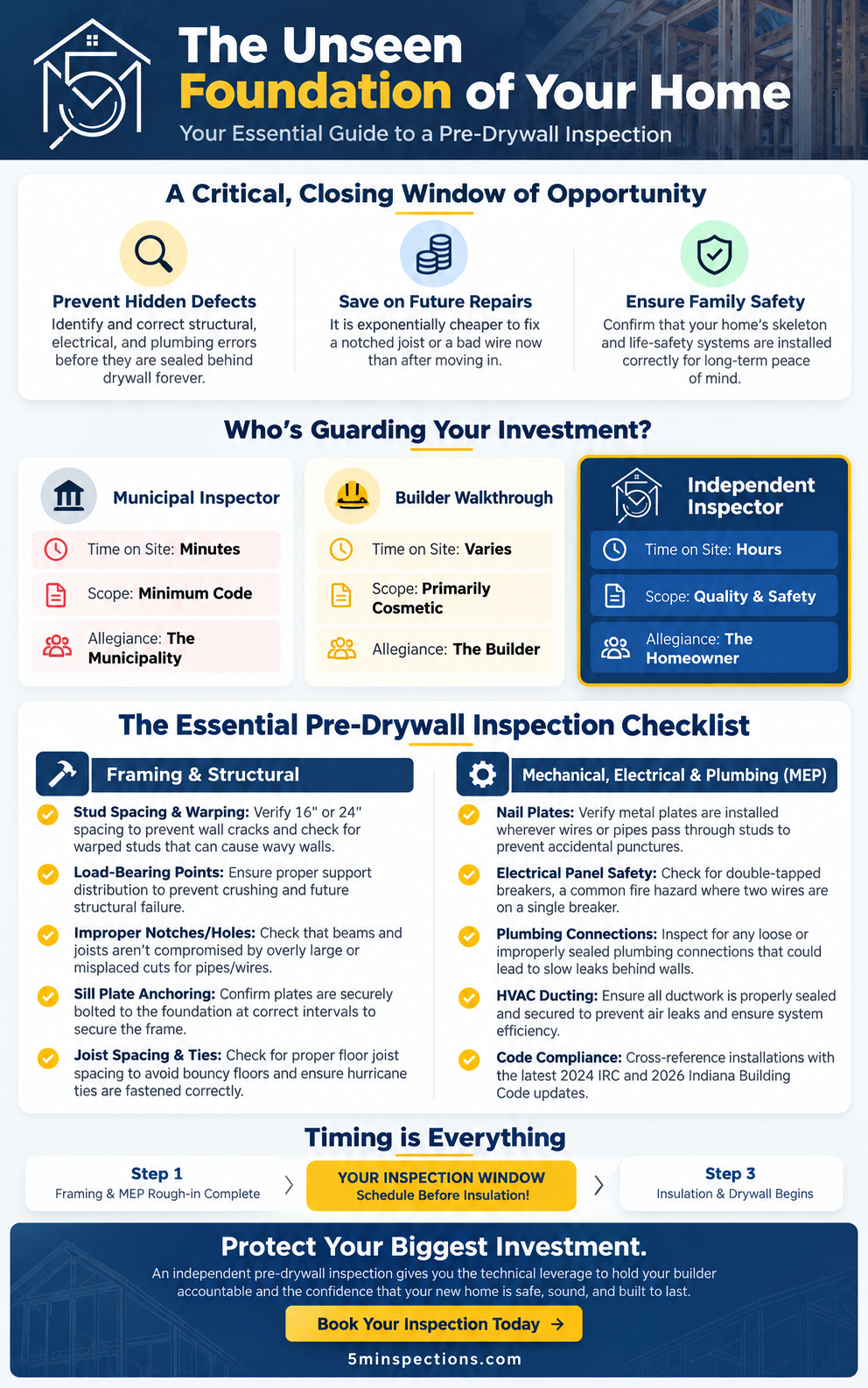
A “passed” sticker from a city inspector is a legal requirement, but it isn’t a guarantee of perfection. Municipal inspectors often have dozens of sites to visit in a single day, leaving them only minutes per house. They focus on the minimum safety standards required for a certificate of occupancy. A private professional, however, spends hours meticulously reviewing your pre-drywall inspection checklist. While a city inspector might miss a slightly warped stud that passes code, that same stud could cause persistent floor squeaks or cracked drywall later. We look for the quality details that turn a house into a durable home. In many parts of Indiana, local enforcement of residential codes is minimal or non-existent. This makes your private inspection the primary line of defense against corner-cutting.
Building Trust Through Professional Oversight
At 5M Inspection Services, we act as a protective partner for homeowners across Central Indiana, including Fishers, Carmel, and Westfield. We know the pressure builders face to meet tight deadlines, which can lead to unintentional oversight. Our role is to alleviate your anxiety by providing technical clarity and certainty. You don’t need to be a construction expert to protect your investment; you just need a watchful ally who takes your safety seriously. We frame our findings as a collaborative tool for your builder. Most quality builders appreciate a second pair of eyes that catches a mistake before it becomes a costly warranty claim. It’s about ensuring your peace of mind through rigorous, objective reporting and constant digital accessibility.
The Essential Pre-Drywall Inspection Checklist: Structural and Mechanical Systems
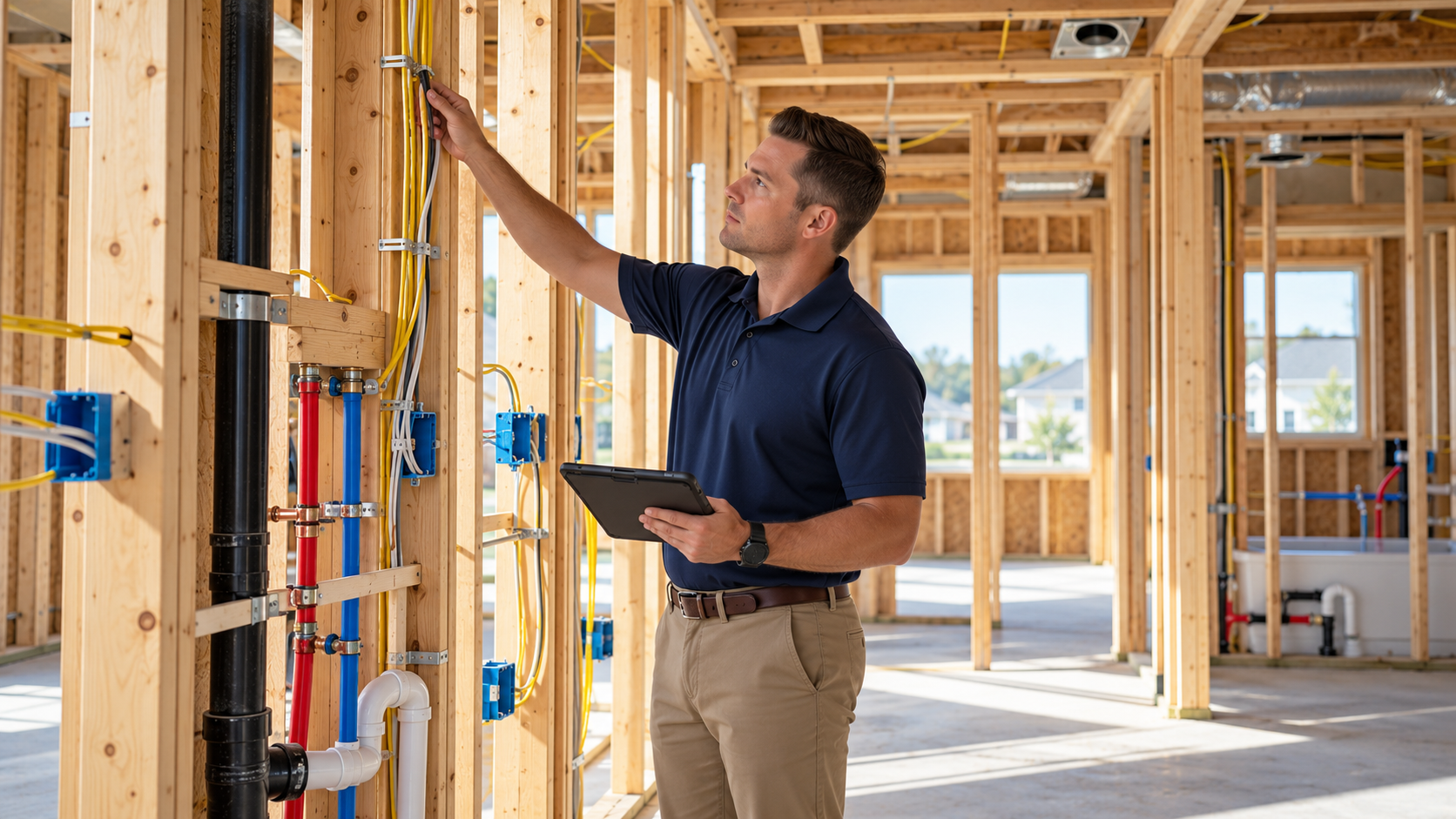
Moving from the “why” to the “what” requires a disciplined approach to every exposed beam and wire. Your pre-drywall inspection checklist should prioritize structural stability and life-safety systems over cosmetic preferences. This is the moment to verify that the home’s skeleton can withstand decades of use. We look for warped studs that could cause wavy walls and ensure hurricane ties are properly fastened to prevent wind uplift. Every floor joist must meet the specific spacing requirements dictated by your architectural plans to prevent bouncy floors or future sagging.
Framing and Foundation Foundations
Wall studs are typically spaced at 16 inches or 24 inches on center. If this spacing is inconsistent, your drywall will lack the necessary support, leading to cracks or bowing. We also examine load-bearing points for “crushing,” where the weight of the upper floors isn’t properly distributed through the framing members. Sill plates must be securely anchored to the foundation with the correct bolt spacing. One of the most common issues we find involves plumbers or electricians “notching” or drilling through structural beams to run lines. If these holes are too large or placed incorrectly, they can significantly compromise the integrity of your home’s frame.
Mechanical, Electrical, and Plumbing (MEP) Standards
Safety is found in the details of the MEP rough-in. Every wire or pipe that passes through a stud requires a metal nail plate. These plates prevent a future homeowner from accidentally puncturing a line while hanging a picture or installing shelving. During the electrical review, we check for “double tapped” breakers in the panel, where two wires are connected to a single-pole breaker. This is a fire hazard that is surprisingly common in new builds. For plumbing, we verify the slope of drain lines to ensure gravity works in your favor, preventing future backups. We also look for secure mounting of all pipes to prevent the “water hammer” knocking sound when you turn off a faucet.
HVAC systems require equal scrutiny. All ductwork should be sealed at the joints, properly supported to prevent sagging, and free of kinks that restrict airflow. We often find construction debris, like sawdust or lunch wrappers, inside return air ducts. Clearing these now prevents poor air quality and system strain later. Finally, we inspect the exterior house wrap and flashing. These are your primary defenses against moisture intrusion before the siding is finalized. A thorough New Construction Inspection catches these hidden flaws while they’re still easy to fix, giving you the professional leverage needed to request repairs before the drywall crew arrives.
Independent Third-Party Inspection vs. Builder Walkthroughs
Your builder might suggest that an independent inspection is unnecessary. They often point to their internal quality control supervisors and municipal inspectors as sufficient protection. However, there is an inherent conflict of interest at play. Builder supervisors are under immense pressure to meet closing deadlines and stay within strict budgets. Small errors that don’t technically “fail” a code inspection might be overlooked to keep the project moving. An independent, third-party inspector works only for you. Our priority is your family’s long-term safety, not the builder’s construction schedule.
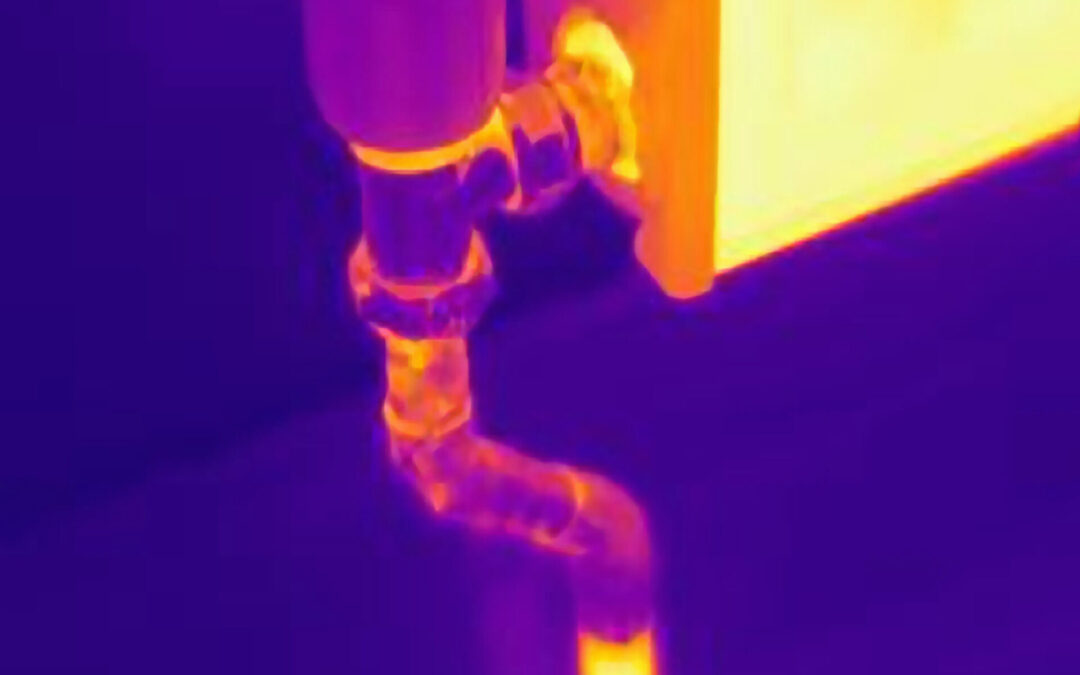
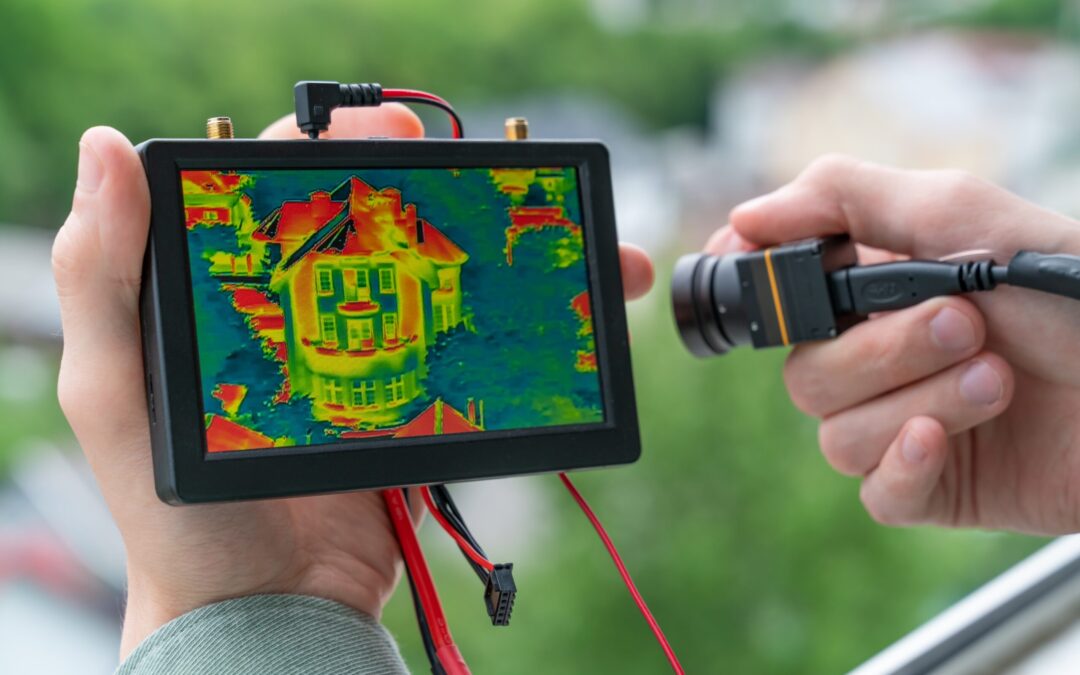
Professional inspectors bring more than just a fresh set of eyes; they bring specialized technology. While a builder walkthrough relies on visual checks, we use moisture meters and thermal imaging to identify risks that remain invisible to the naked eye. Thermal imaging can detect thermal bypasses or air leaks before the drywall is hung. A formal, written report based on a comprehensive pre-drywall inspection checklist carries significant weight. It transforms a homeowner’s verbal concern into a documented deficiency that the builder must address. This documentation provides the professional leverage you need to ensure repairs are completed to industry standards before the walls are closed.
Addressing the “My Builder is Great” Misconception
Even the most reputable builders rely on a revolving door of subcontractors. A master carpenter might have an “off day,” or a new plumbing crew might miss a connection. A third-party eye isn’t an attack on the builder’s reputation; it is a standard part of a high-quality building process. It ensures that the high standards you paid for are actually being met on the job site. This oversight should ideally begin even earlier. A professional Foundation Inspection is a critical precursor to this stage, ensuring the base of your home is stable before the framing begins.
The 5M Difference: Meticulous and Family-Owned
At 5M Inspection Services, our Central Indiana roots drive our commitment to your safety. We aren’t a national franchise; we are your neighbors in Fishers, Carmel, and Westfield. This local ownership means we are deeply invested in the integrity of every home we step into. We provide punchy, clear reports that builders can actually use to direct their crews. Our evaluations are unbiased and objective, focusing purely on the facts of the build. We act as a watchful partner, taking the responsibility of your property safety seriously from the first day of construction through the final walkthrough.
How to Navigate Your Pre-Drywall Walkthrough in Central Indiana
Your site visit is more than a tour; it’s a mission to ensure your home’s long-term health. Success depends on timing and preparation. Ideally, you should schedule your walkthrough 2 to 3 days before the drywall is delivered. This narrow window gives your builder enough time to correct any deficiencies found without delaying the entire construction schedule. When you arrive, come prepared with a high-powered flashlight, a notebook, and a copy of your original floor plans. These tools allow you to verify that every outlet, light switch, and wall is exactly where it’s supposed to be.
Documentation is your best insurance policy. Take detailed photos and videos of every wall cavity before the insulation is installed. This “digital map” will be invaluable years later if you need to mount a heavy TV or troubleshoot a leak. To stay organized, we recommend using a professional home inspection checklist for buyers. This ensures you don’t miss the small details while being overwhelmed by the scale of the project. Finally, always review your findings with the builder supervisor. Keep the conversation professional and objective, focusing on the facts of the pre-drywall inspection checklist rather than emotional reactions.
Questions to Ask Your Builder During the Walkthrough
Specific questions yield specific results. Start by asking, “Can you show me where the radon rough-in is located?” This is vital for homeowners considering Radon Testing Carmel Indiana, as a properly installed vent pipe makes future mitigation much simpler. You should also ask if all exterior penetrations, such as vent pipes and hose bibs, are sealed against moisture and pests. Given our local climate, ask if there is any evidence of mold or moisture on the framing after the recent Indiana rains. If wood is sealed while damp, it can lead to structural rot or air quality issues later.
Managing the “Builder Pushback”
You may encounter the phrase, “that’s within tolerance,” when pointing out a concern. It’s important to distinguish between a purely cosmetic flaw, like a slightly scuffed stud, and a safety repair, like a compromised load-bearing beam. If an issue affects structural integrity or code compliance, insist on a fix. Use your inspection report as leverage; it’s harder for a builder to dismiss a documented defect from a certified professional. Always get repair promises in writing with a clear timeline for completion. If you want the certainty that only a professional can provide, schedule your new construction inspection today to protect your family’s future.
Securing Your Future with a 5M New Construction Inspection
Homeowners in Fishers, Carmel, and Westfield choose 5M Inspection Services because we treat every property as if it were our own. We understand that a new build is likely your largest financial commitment. Our local ownership means we are personally accountable to the Central Indiana community. We don’t just provide a service; we offer a protective partnership that lasts from the first shovel in the ground to the day you move in. By utilizing a rigorous pre-drywall inspection checklist, we ensure that the quality of your home matches the promises made in the sales office. Our goal is to provide you with the technical certainty required to sign your closing papers with absolute confidence.
The Value of Phased Inspections
A single visit rarely captures the full story of a home’s construction. We recommend a phased approach to capture critical details at every stage of the build. Our New Construction Inspection package is structured into three distinct phases:
- Phase 1: Foundation Inspection. We verify the integrity of the footings and foundation walls before the framing begins.
- Phase 2: Pre-Drywall Inspection. This is the “heart” of the process, where we review the structural and mechanical systems discussed throughout this guide.
- Phase 3: Final Walkthrough. We perform a comprehensive evaluation of the finished home, ensuring all systems are operational and safe.
This phased strategy allows us to catch environmental risks early. For example, wet framing or basement seepage can lead to hidden air quality issues. Integrating Mold Sampling Indianapolis during these phases ensures your home is environmentally sound before the HVAC system begins circulating air. Once you move in, our support continues. We often return for an 11-month warranty inspection to document any defects that appear during the first year of seasonal changes, giving you a final list for your builder’s warranty department.
Ready to Protect Your Investment?
Don’t let the walls close on a mistake. Once the drywall is finished, the cost of repair skyrockets and the builder’s willingness to fix structural flaws often diminishes. We provide the meticulous oversight you need to hold subcontractors to the highest standards. Our experienced inspectors oversee every step of the inspection process, ensuring every report is thorough, objective, and easy to understand. We prioritize clear communication and digital accessibility, so you are never left wondering about the status of your home’s safety. Take control of your homebuilding journey and secure your family’s future today. Schedule Your Pre-Drywall Inspection with 5M and ensure your new home is built to last.
Build Your Home on a Foundation of Certainty
Your new home is more than a construction project; it’s the backdrop for your family’s future. We’ve explored why the pre-drywall phase is the final opportunity to identify structural and mechanical defects before they’re sealed away. By utilizing a professional pre-drywall inspection checklist, you gain the technical leverage needed to ensure your builder meets the highest standards. We’ve also seen how a third-party eye catches the subtle errors that busy municipal inspectors or internal builder supervisors might overlook.
At 5M Inspection Services, we bring the integrity of a family-owned and operated Central Indiana business to every site visit. With over 500 residential evaluations performed, we specialize in the meticulous detail required for New Construction Phased Inspections. We take the responsibility of your property safety seriously, providing you with clear, actionable reports and constant digital accessibility. Don’t leave your investment to chance during this critical milestone. Schedule Your Professional Pre-Drywall Inspection with 5M Today and move forward with the peace of mind you deserve. We’re ready to help you secure a home that is safe, sound, and built to last.
Frequently Asked Questions
What is a pre-drywall inspection?
A pre-drywall inspection is a technical review of your home’s structural and mechanical systems performed after the framing and rough-ins are complete. It’s the final opportunity to examine the “skeleton” of the house before insulation and wallboards hide the components. This process ensures that every stud, wire, and pipe is installed correctly according to the building plans and safety standards.
Is a pre-drywall inspection worth the cost for a new build?
Investing in this service is one of the most effective ways to prevent expensive and disruptive repairs after you move in. Identifying a structural error or a plumbing leak now is significantly cheaper than tearing out finished walls later. It gives you the professional leverage needed to ensure your builder addresses critical issues while they are still accessible.
What are the most common issues found during a pre-drywall inspection?
Inspectors frequently find missing nail plates, improper framing notches, and loose mechanical connections. Other common findings include electrical wires installed too close to the front of a stud or plumbing lines with an insufficient slope for drainage. These errors often pass a quick municipal check but can lead to safety hazards or system failures over time.
How long does a professional pre-drywall inspection take?
A typical inspection lasts between two and four hours, though the exact time depends on the size and complexity of the home. During this window, the inspector meticulously follows a pre-drywall inspection checklist to evaluate every room and system. Larger custom homes with complex HVAC or electrical layouts may require a more extended site visit to ensure thoroughness.
Can I do my own pre-drywall inspection?
You can certainly perform a personal walkthrough, but a professional brings specialized tools and technical code knowledge that most homeowners lack. We use equipment like moisture meters and thermal imaging to find hidden risks. A certified expert knows exactly how to spot “crushing” at load-bearing points or violations of the latest 2026 Indiana Building Code updates.
What happens if the inspector finds a problem?
If a deficiency is found, the inspector documents it in a clear, written report that you can provide to your builder. This report serves as objective evidence that a repair is necessary for safety or code compliance. Most quality builders appreciate catching these mistakes early, as it prevents costly warranty claims and ensures a higher quality finished product for the homeowner.
Should I hire an inspector if the builder has their own?
Yes, because an independent inspector works exclusively for you and has no conflict of interest. While a builder’s internal supervisor focuses on meeting production deadlines, our only priority is your family’s security. A third-party professional provides the unbiased oversight required to ensure that speed doesn’t compromise the structural integrity of your new investment.
When should I schedule my pre-drywall inspection?
You should coordinate the site visit for the brief window after the plumbing, electrical, and HVAC rough-ins are finished but before insulation is installed. This usually occurs 2 to 3 days before the drywall is scheduled for delivery. Booking your spot on our schedule early ensures you have enough time to review the findings and request repairs without delaying the builder.