At 5M Inspection Services, we use infrared thermal imaging as an additional tool during home inspections throughout Central Indiana. One question we hear often is: What can a thermal camera actually see?
Thermal imaging can reveal clues that are easy to miss during a visual inspection, but it is not X-ray vision. A thermal camera reads surface temperature patterns. Those patterns may point us toward possible moisture, missing insulation, air leakage, or unusual heat around electrical components.
For Indianapolis homeowners and buyers, understanding what thermal imaging can and cannot detect can help you better understand the findings in your inspection report and what may need a closer look.
Why Is Thermal Imaging Useful During an Indianapolis Home Inspection?
Central Indiana homes experience both hot summers and cold winters. These seasonal temperature changes can sometimes make insulation gaps, drafts, moisture patterns, and other concerns easier to identify with infrared imaging.
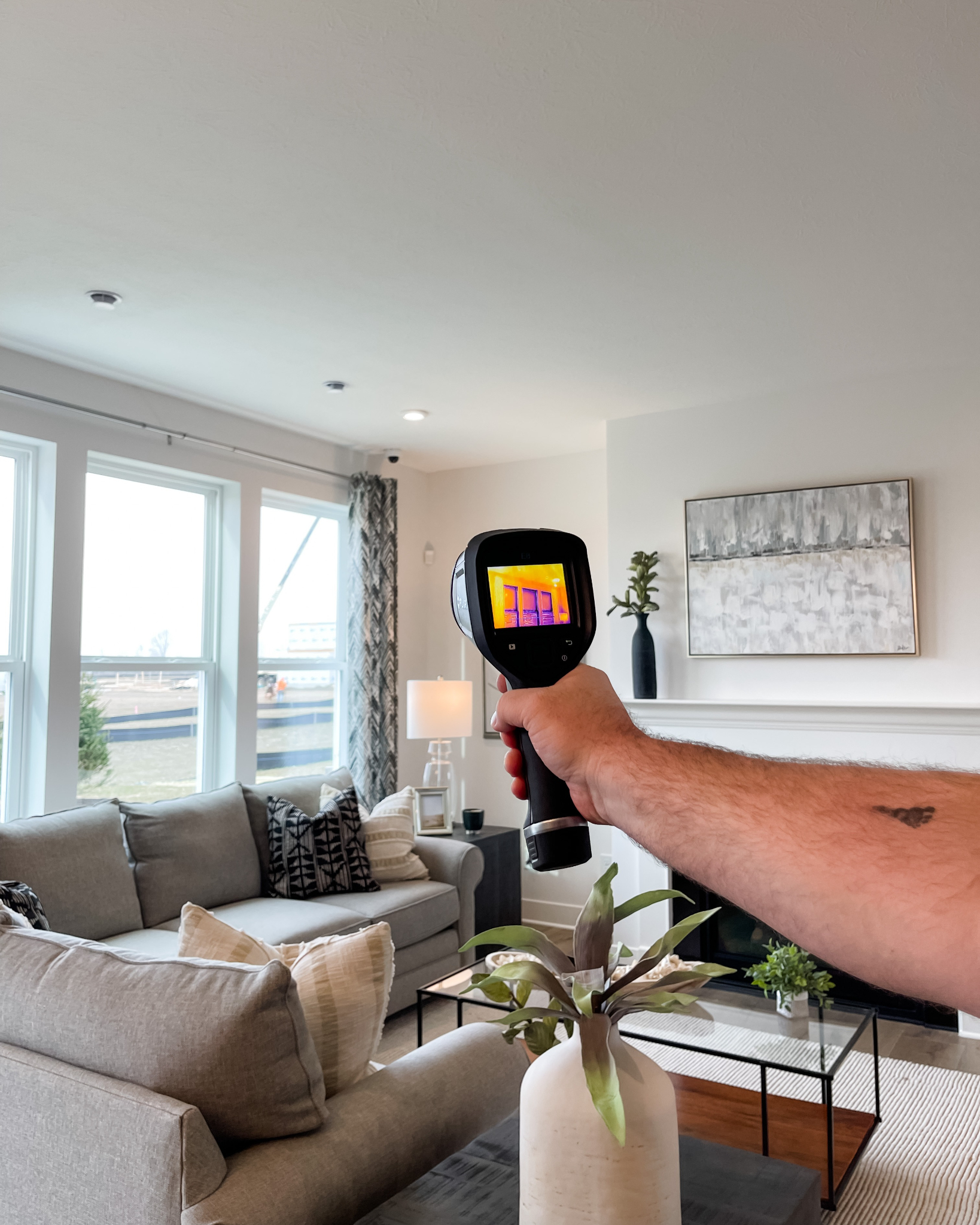
During an inspection, we do not simply point a thermal camera at a wall and make a conclusion based on the colors we see. We compare unusual temperature patterns with visible conditions, the layout of the home, and other inspection findings.
That context matters because a thermal image is a clue, not a diagnosis.
What Can Infrared Thermal Imaging Detect?
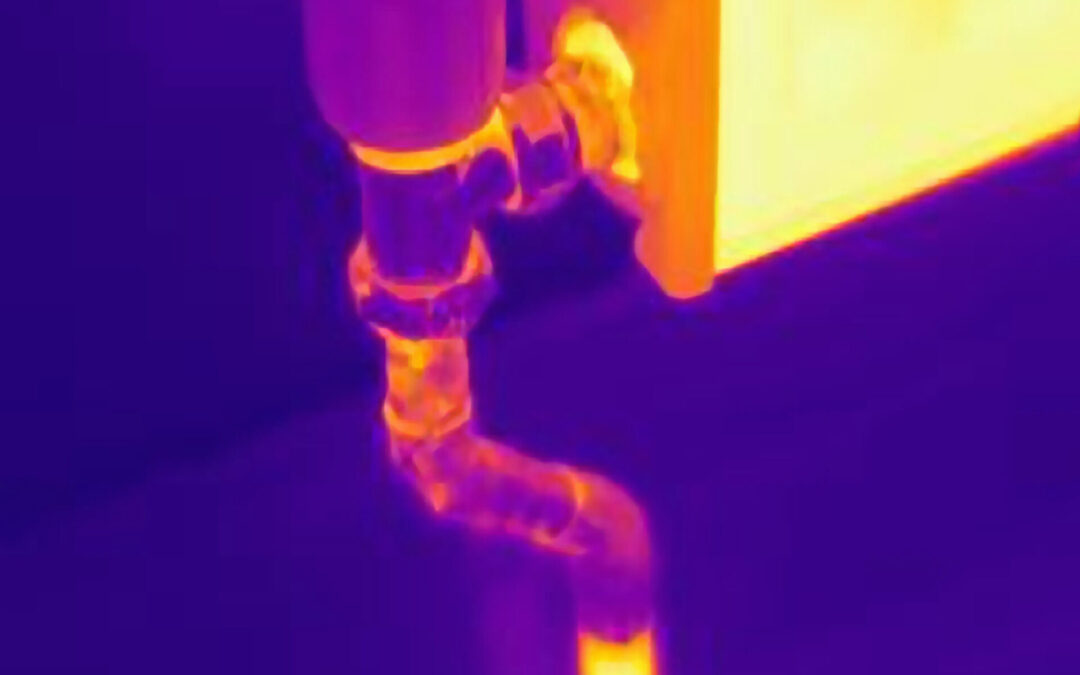
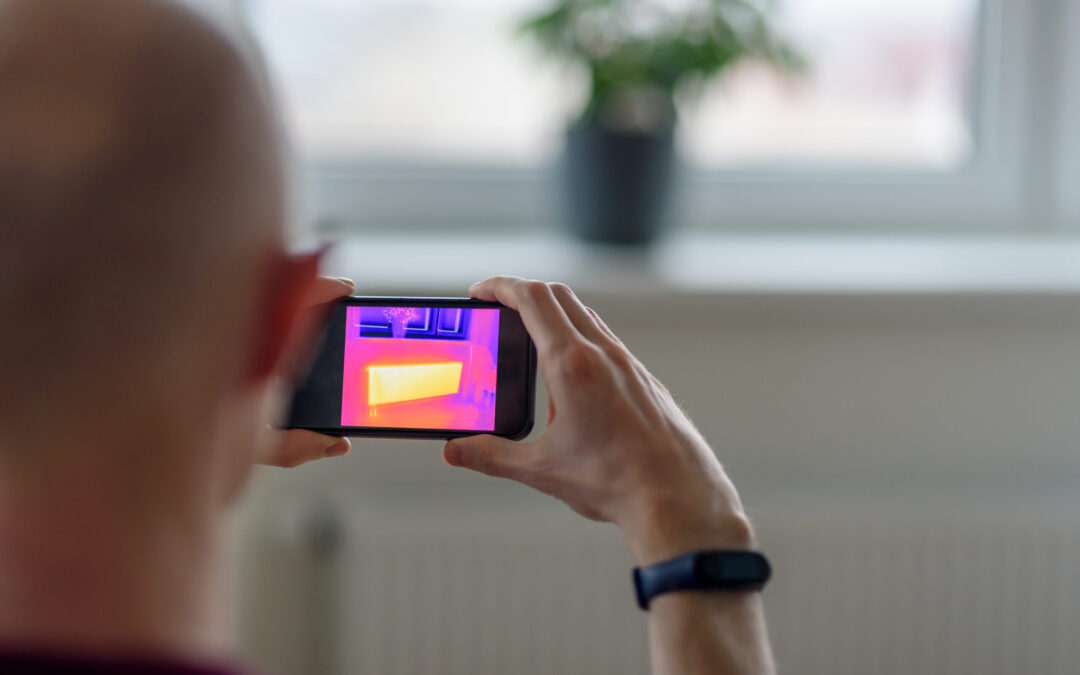
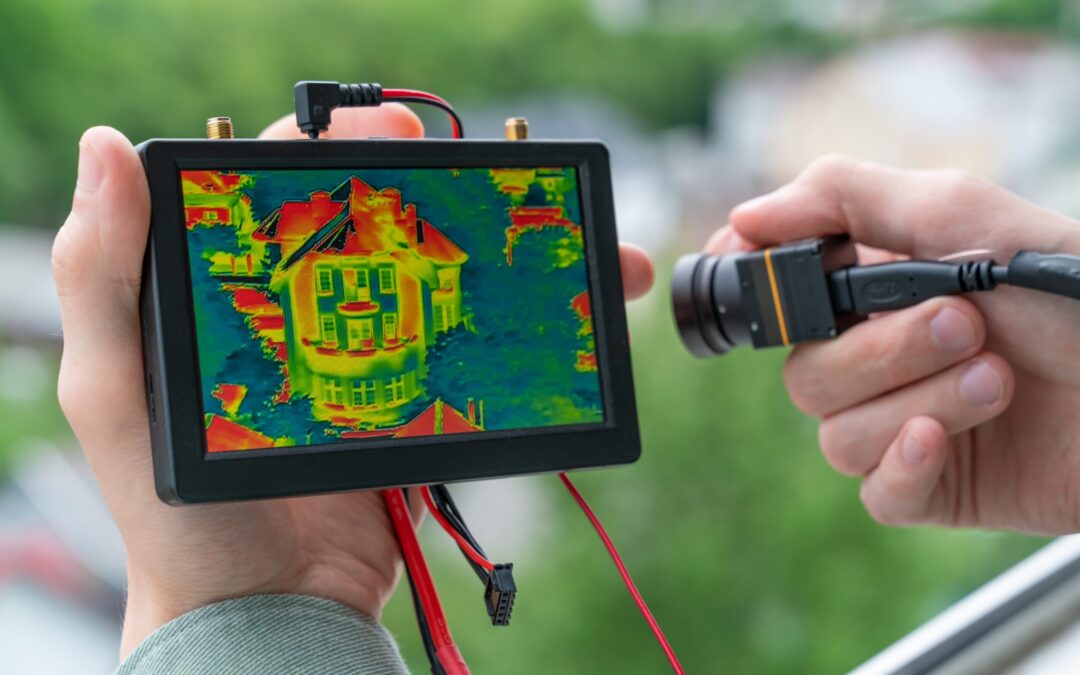
A thermal camera creates an image based on differences in surface temperature. When we see an unusual pattern, it can help direct our attention to an area that deserves a closer look.
Here are several situations where thermal imaging can be useful during a home inspection.
Possible Moisture Intrusion
Moisture can change the temperature of a wall, ceiling, or floor. As a result, a damp area may sometimes appear warmer or cooler than the surrounding material on a thermal image.
This can help us identify areas that may need additional investigation, including locations near:
- Plumbing fixtures
- Roof penetrations
- Windows and doors
- Ceilings below bathrooms
- Basement or foundation walls
- HVAC equipment
The important word is possible.
A thermal camera does not directly see water. If we find an unusual temperature pattern, we may compare it with visible signs or moisture readings to better understand what is happening.
For you as a homeowner, think of thermal imaging as a way to answer, “Where should we look more closely?” rather than automatically answering, “Where is the leak?”
Missing or Inadequate Insulation
Missing, uneven, or settled insulation can create noticeable temperature differences across ceilings and walls.
For example, an area with less insulation may appear colder during heating season or warmer during cooling season than the areas around it.
Thermal imaging can be especially helpful if you have noticed:
- A room that is difficult to heat or cool
- Uneven temperatures between rooms
- Cold or warm areas along ceilings or walls
- Suspected gaps in attic insulation
- Drafty areas of the home
A thermal pattern does not tell us everything about the insulation by itself, but it can help identify areas where further evaluation may be useful.
Air Leaks and Drafts
Outside air moving through gaps around windows, doors, baseboards, walls, ceilings, and other parts of the home can affect nearby surface temperatures.
When conditions are right, a thermal camera may reveal patterns associated with these air leaks.
If you have a room that always feels drafty or uncomfortable, infrared imaging may help us identify where temperature differences are occurring.
The next step may involve checking weatherstripping, insulation, air sealing, or another part of the home’s building envelope.
Unusual Electrical Heat Patterns
Electrical components naturally produce some heat during normal operation.
However, infrared imaging may sometimes reveal one component that appears noticeably hotter than similar components nearby.
During an inspection, an unusual heat pattern around an accessible electrical panel or component can tell us that the area deserves additional attention.
Thermal imaging does not replace an electrical evaluation. If we see something concerning, we may recommend that a qualified electrician take a closer look.
What Can Thermal Imaging NOT Detect?
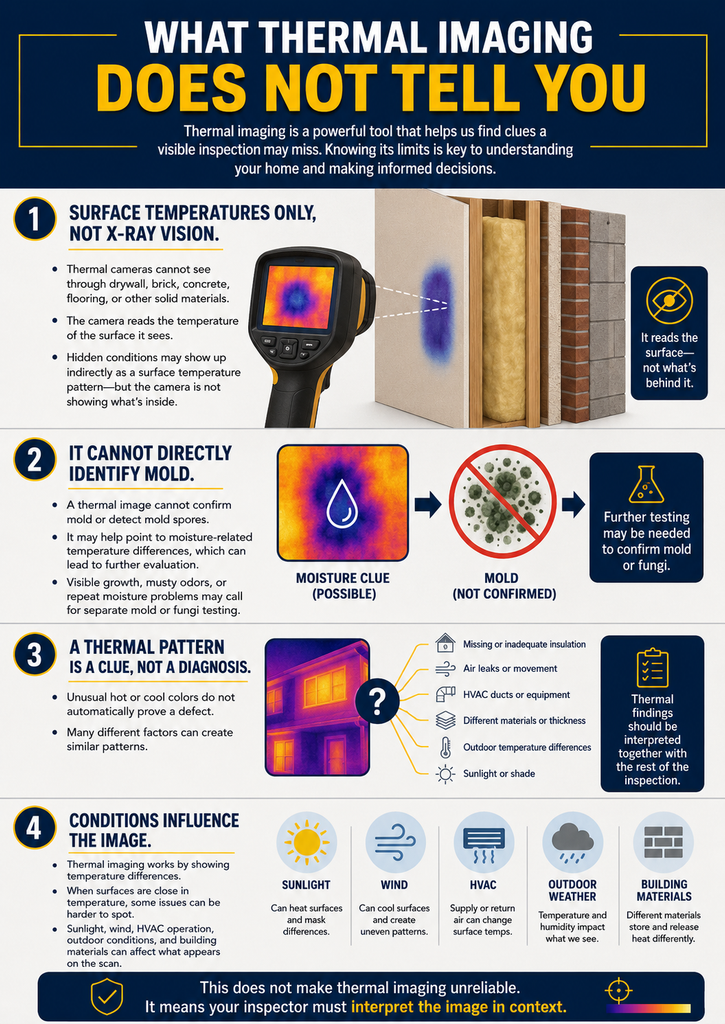
Understanding the limitations of infrared thermal imaging is just as important as understanding what it can do.
We never want homeowners to assume that a thermal camera can reveal conditions it was not designed to detect.
Thermal Imaging Cannot See Through Walls
Despite what you may have seen in movies or television, a thermal camera cannot see through drywall, brick, concrete, flooring, or other solid building materials.
It reads the temperature of the surface facing the camera.
If something behind a wall changes the temperature of that surface, the camera may show the effect. For example, moisture behind drywall might create a cooler pattern on the wall.
But the camera is still reading the drywall itself. It is not showing us a picture of what is inside the wall cavity.
Thermal Imaging Cannot Detect Mold Directly
A thermal camera cannot identify mold spores or determine whether a discolored area is mold.
What it may do is help us locate an area where moisture is affecting surface temperature.
Since moisture can create conditions that support mold growth, that finding may lead to additional evaluation when appropriate.
If there is visible suspected growth, a musty odor, recurring moisture, or another reason for concern, mold or fungi testing may be considered separately.
A Thermal Pattern Does Not Prove the Cause
One of the biggest misconceptions about thermal imaging is that every unusual color on the screen represents a defect.
It does not.
A cool area on a wall might be associated with moisture, but it could also result from:
- Missing insulation
- Air movement
- An HVAC duct
- Differences in building materials
- Outdoor temperature
- Sunlight or shade
A warmer pattern can also have several possible causes.
That is why we interpret thermal images alongside the rest of the inspection instead of treating the image as a stand-alone conclusion.
Conditions Affect What the Camera Can Show
Thermal imaging works by showing temperature differences.
When surfaces are close to the same temperature, some insulation gaps, drafts, or other patterns may be harder to see.
Outdoor temperature, sunlight, wind, HVAC operation, building materials, and other conditions can all affect the image.
This does not make thermal imaging unreliable. It simply means the inspector needs to understand the conditions and interpret the image appropriately.
When Is Thermal Imaging Most Useful?
Thermal imaging can be especially helpful when there is already a reason to investigate an area more closely.
Examples include:
- Water stains on ceilings or walls
- Musty or damp areas
- Rooms that feel noticeably warmer or colder
- Drafts around windows or doors
- Suspected insulation gaps
- Recent roof or plumbing concerns
- Unusual heat around accessible electrical components
It can also add useful information during a home purchase even when there is no obvious problem.
For example, a thermal pattern may prompt us to take a closer look at an attic, compare moisture levels in a stained area, or recommend further evaluation by another professional.
Is Thermal Imaging Worth It When Buying a Home?
It can be a valuable addition to a home inspection.
A visual inspection tells you a great deal about a property, but inspectors can only evaluate conditions that are visible and accessible.
Thermal imaging gives us another way to look for areas that may deserve attention.
That does not mean every colorful thermal image represents a major problem. The real value comes from having the image interpreted in the context of the rest of the house.
For buyers, thermal imaging may be particularly helpful when a home has:
- Previous water stains
- Uneven room temperatures
- Insulation concerns
- Patched ceilings or walls
- Suspected drafts
- Past roof or plumbing repairs
If a thermal pattern raises a question we cannot answer within the scope of the inspection, we will explain what we found and whether further evaluation may be appropriate.
How We Use Thermal Imaging at 5M Inspection Services
At 5M Inspection Services, thermal imaging supports our visual inspection. It does not replace it.
When we use infrared imaging, we look for unusual temperature patterns and compare them with the surrounding conditions. Depending on what we find, we may examine the area more closely, compare moisture readings, or recommend additional evaluation.
Our goal is to give you useful information without overstating what the technology can tell us.
We provide infrared thermal imaging and residential home inspection services throughout Indianapolis and other Central Indiana communities, including Westfield, Carmel, Fishers, Noblesville, and Zionsville.
Final Thoughts
Infrared thermal imaging can make a home inspection more informative, but the technology is most useful when it is interpreted correctly.
It can help home inspectors identify surface temperature patterns associated with possible moisture, insulation gaps, drafts, and unusual electrical heat. It cannot see through walls, identify mold, or tell us the exact cause of every temperature difference.
If you are buying, selling, or maintaining a home in Indianapolis or Central Indiana, we can use thermal imaging alongside a thorough home inspection to help you better understand the property.
Contact 5M Inspection Services to schedule your inspection and get clear, easy-to-understand findings about the home you are buying, selling, or maintaining.
Frequently Asked Questions
Can thermal imaging find a pipe leak behind a wall?
It may reveal a temperature pattern caused by moisture from a leaking pipe, but the camera cannot see the pipe through the wall or confirm water on its own. If we see a suspicious thermal pattern, we may compare it with moisture readings, visible conditions, or other findings before deciding whether further evaluation is needed.
Does thermal imaging detect mold?
No. Thermal imaging cannot identify mold directly. It may help identify moisture conditions that deserve further investigation. If there are signs of possible mold or fungi, separate testing or evaluation may be appropriate.
Can a thermal camera find missing insulation?
It can help identify temperature patterns that may be consistent with missing, uneven, or inadequate insulation. The pattern is most useful when we can compare it with surrounding areas and other visible conditions.
Is thermal imaging useful for a newer home?
Yes. New construction can still have insulation gaps, air leaks, moisture concerns, or other conditions that create unusual temperature patterns. Thermal imaging can provide another layer of information whether you are buying an older Indianapolis home or a newer property.
Does a thermal image confirm there is a problem?
Not by itself. A thermal image shows differences in surface temperature. We still need to consider what those patterns mean based on the rest of the inspection.